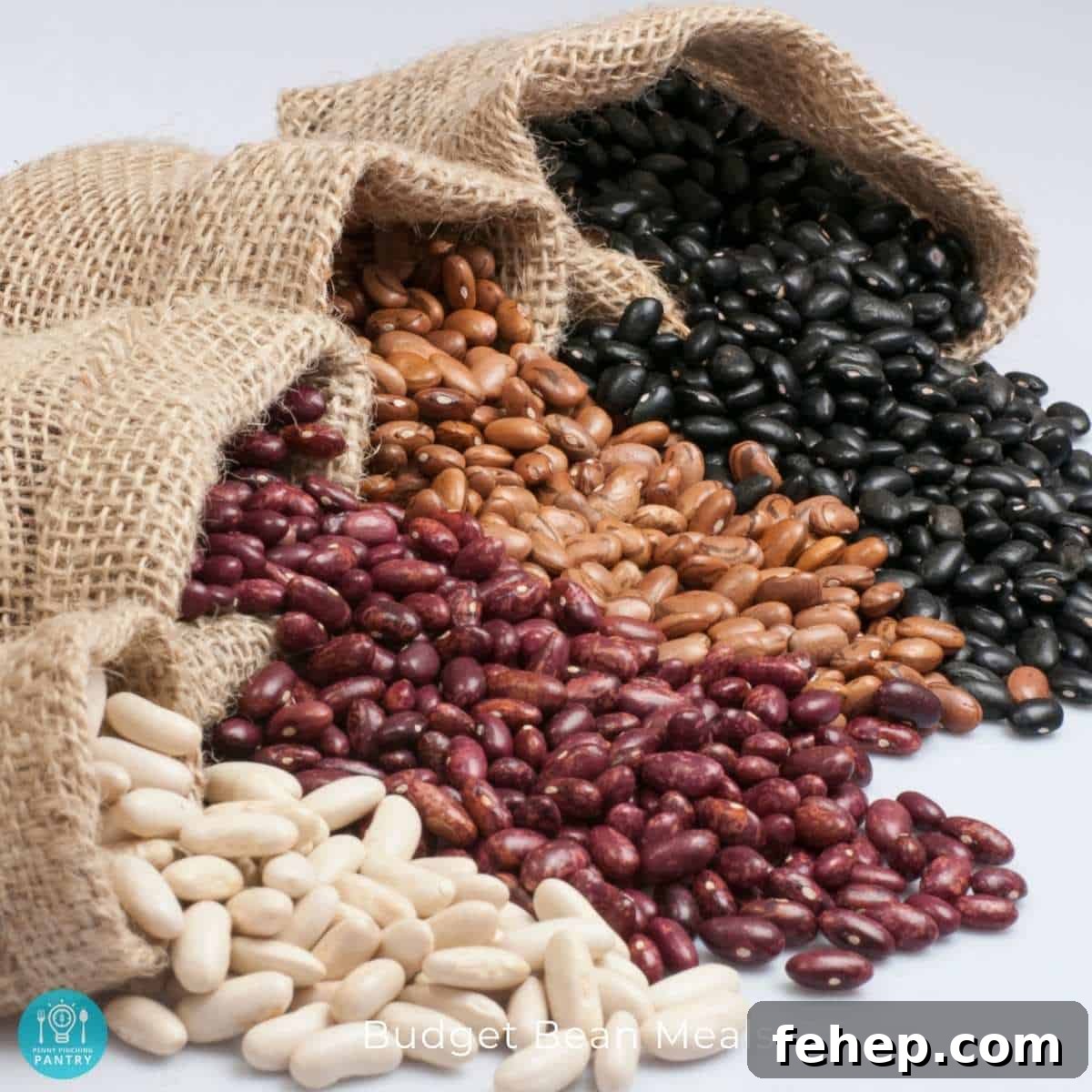
With eggs nearing a national average of $6 a dozen — roughly a 300% jump since 2019 — and everyday grocery bills feeling increasingly steep, a modest pantry staple is stepping into the spotlight in American kitchens: beans.
Pressed for time and tightening their budgets, home cooks are rediscovering how far a single bag of beans can go and how many satisfying, economical meals those legumes can create.
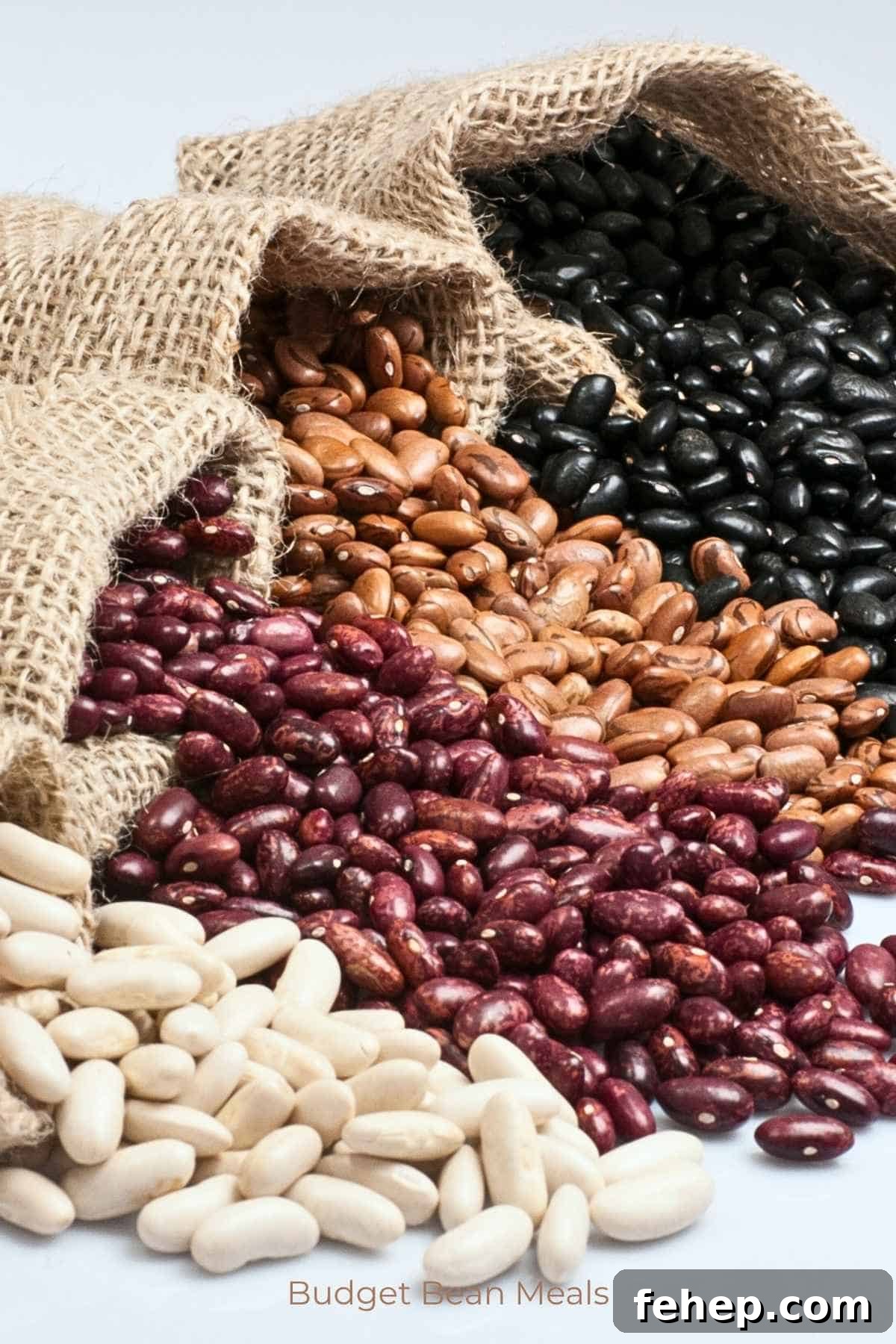
This trend is visible in home kitchens across the country. Beyond being inexpensive, beans are remarkably versatile, nutritious, and filling. They offer a straightforward way to stretch your food dollars without giving up flavor or quality.
A small investment in dried beans can yield multiple meals and reliable nutrition, making them an essential item for anyone looking to make grocery money go further.
Tip: A single $1–$2 bag of dried beans can cook up to six cups. That amount is enough to create several different budget-friendly meals, showing how much value this humble ingredient provides.
Beans are the new budget hero
Grocery prices have climbed significantly since 2020, so shoppers are finding creative ways to cut costs while keeping meals satisfying and nutritious. For many, that means skipping pricier proteins sometimes and turning to the bulk bins instead.
A one-pound bag of dried beans usually costs between $1 and $2 and yields several cups of cooked legumes. Those beans can be added to soups, mashed for tacos, blended into dips, or combined with grains for filling bowls. Recipes like hearty black bean soup deliver deep flavor with minimal hands-on time and are often far cheaper per serving than meat-based alternatives.
From black beans and chickpeas to heirloom varieties, beans appear in everything from burritos and stews to pasta dishes and grain bowls. They make economical, protein-rich bases that keep well in the pantry and are easy to stretch across multiple meals.

Social media is in on the bean boom
Short-form video and cooking accounts have helped popularize bean-based recipes. Simple dishes — from white bean soups to smashed cannellini on sandwiches — have gone viral, showing how approachable legumes are for cooks of all skill levels.
Beans are an ideal culinary canvas: they absorb spices and sauces, moving effortlessly between smoky barbecue flavors, cozy Indian dals, and bright Mediterranean salads. That flexibility makes them easy to fold into weekly meal plans while keeping variety and interest high.
Not just for vegetarians anymore
Beans are shedding old associations as “poverty food” or merely a vegan substitute. The growing embrace of legumes reflects a broader rethinking of what a satisfying meal can be. Beans are filling without feeling heavy, affordable without being bland, and adaptable to family-friendly menus.
For busy households and solo cooks alike, beans provide a dependable, nutritious base that pairs well with simple sides or can take center stage in stews, chilis, tacos, and more.
Kristin’s Kitchen Tip
Save time and energy when cooking dried beans by using a pressure cooker or Instant Pot. What can take hours on the stove often finishes in under an hour with a pressure cooker, making homemade bean dishes quicker and more convenient.
A global pantry staple gets local love
Beans have long been central to cuisines around the world, and that global influence is helping fuel their resurgence. From Ethiopian shiro and Middle Eastern ful medames to Mexican refried beans and Italian ceci soups, these dishes inspire new ways to cook legumes at home.
Comforting, nourishing one-pot meals like kitchari (lentils and rice with warming spices) illustrate how beans can create economical, make-ahead dinners that feed a family and deliver balanced nutrition.
Beyond nostalgia, slow-simmered beans offer a sensory comfort — the familiar aroma of garlic, onion, and herbs filling the kitchen — that resonates across culinary traditions.
Convenience meets creativity
Canned beans make it easy to adopt bean-forward cooking without the soaking and long simmer times of dried legumes. While dried beans are the most budget-friendly, canned options are practical for weeknight meals and last-minute plans.
Beans also adapt to many textures and preparations: try gochujang-roasted chickpeas for a spicy snack, creamy white bean soup for a cozy dinner, or roasted smoked-paprika chickpeas for crunchy, healthy nibbling. Plant-based burgers made from black beans bring protein, texture, and robust flavor to the grill or stovetop.
Ways to use beans in your cooking:
- Black Bean Ranch Tuna Salad — A refreshing mix of black beans, tuna, ranch flavors, and crunchy seeds that works well in sandwiches, wraps, or over greens.
- Easy One-Pot Rice and Beans — A pantry-friendly, nutritious meal that serves as a main or a side and can be customized with spices or proteins.
- Refried Black Beans — Creamy, garlic-forward mashed beans that elevate tacos, burritos, or simply serve as a dip for chips.
- Chickpea and Black Bean Snack Mix — A crunchy, savory alternative to processed snacks, perfect for on-the-go munching.
- Boston Baked Beans — Sweet and savory slow-baked beans that are ideal for barbecues and batch cooking.
Beans are built for the future of cooking
As living costs climb, many families need accessible, nourishing foods that stretch further. Beans fit that need: they are climate-friendly, packed with protein and fiber, and highly adaptable to different cuisines and preparations. Choosing beans is often as much about confidence in the kitchen as it is about savings.
They encourage creativity and flexibility, helping cooks feed households efficiently without sacrificing taste. Next time you face a tight grocery budget, consider skipping the pricier protein and stocking up on beans — you may find you won’t miss the meat at all.
Buying beans in bulk is often worthwhile, as dried legumes store well for long periods. Bulk purchases can reduce cost per serving and simplify meal planning for busy weeks.
This article originally appeared on Food Drink Life.
Thanks for reading! Happy saving and happy cooking.