If you enjoy cooking and spend time in the kitchen, you’ve probably wondered whether to cook meat or onions first. The right approach varies with the recipe and the type of meat you’re preparing. Below I break down practical guidelines to help you get the best texture and flavor.
Table of Contents
Do You Cook Meat or Onions First?
It depends on the dish and the type of meat. For cuts that benefit from a strong sear—like steak or mutton—brown the meat first, then add onions so they absorb those pan flavors. For poultry that browns quickly, sweat or brown the onions first so they flavor the oil and the meat as it cooks. For mixed or ground-meat dishes, onions are often mixed in or cooked together with the meat.
Cooking Beef or Mutton with Onions
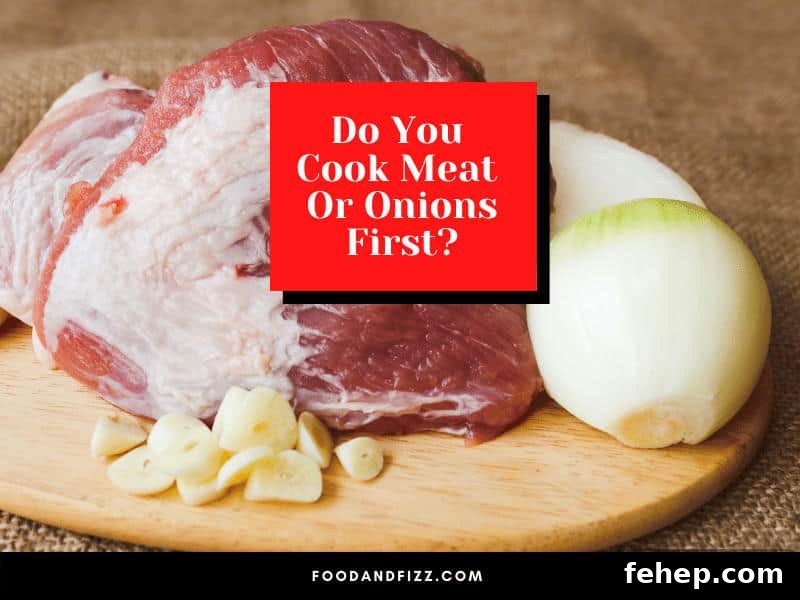
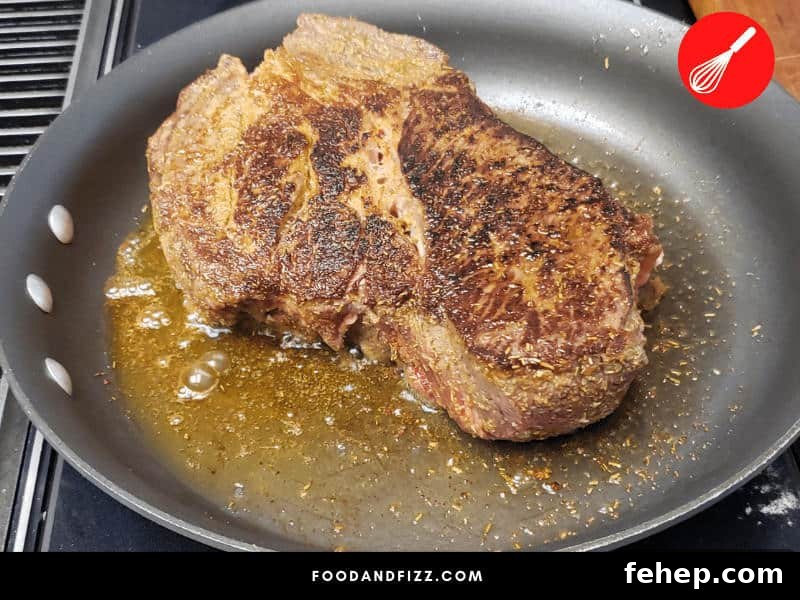
For beef or mutton, sear the meat first on high heat to develop a brown crust that helps lock in juices. Onions release a lot of moisture and can cool the pan if added too early, preventing proper browning and leaving onions limp. After the meat is nicely browned, add the onions to pick up the fond and deepen the overall flavor. If needed, you can cook onions separately, but combining them after searing usually yields the best taste.
Cooking Chicken, Turkey Pieces, or Duck with Onions
Poultry browns and cooks faster than red meat, so start by frying or sweating the onions. This flavors the oil and ensures the chicken or duck will pick up those aromatics as it cooks. If you sear poultry first, the onions may not have enough time to soften and develop flavor. If you’re using very finely diced onions, you can add them near simultaneously, but in general onions before poultry gives a better result.
Cooking Ground Meats with Onions
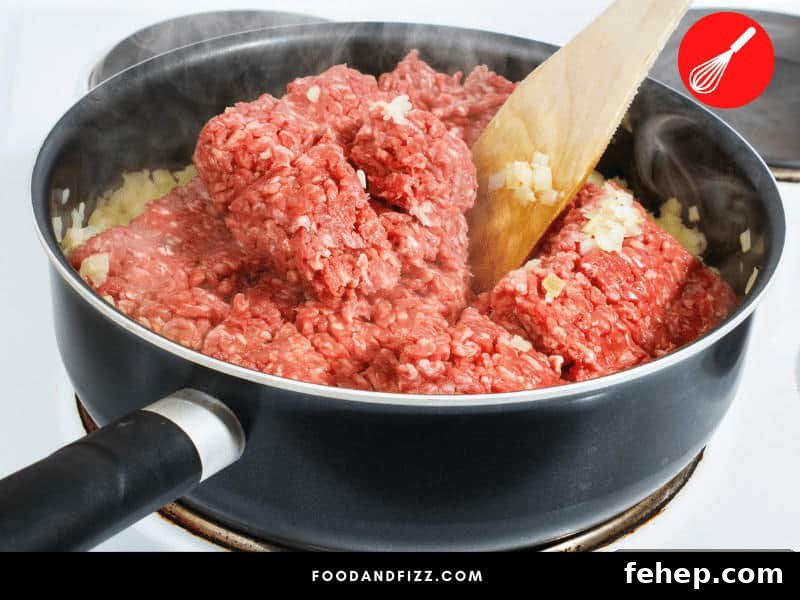
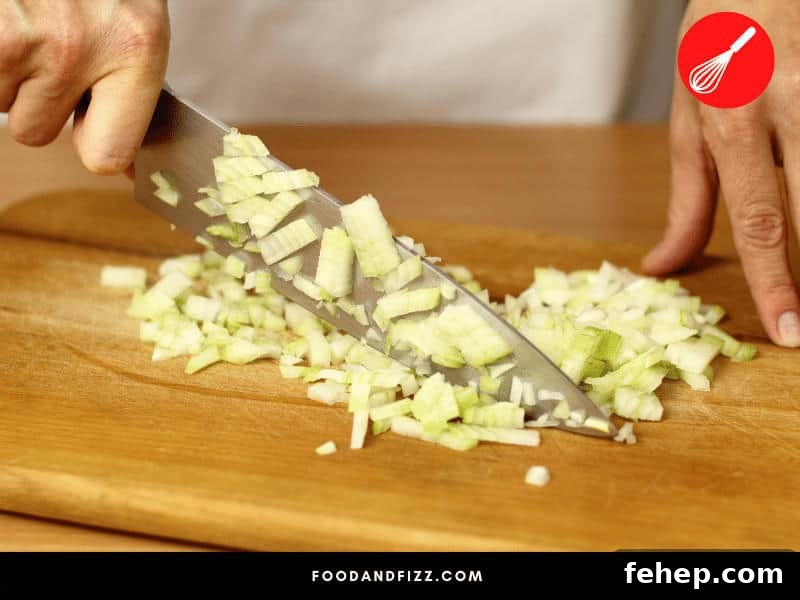
For burgers, meatloaf, meatballs, and other ground-meat dishes, mix finely diced onions directly into the meat before cooking if you want them to meld and almost “melt” into the mixture. Dice the onions small so they cook through and distribute evenly. This also helps with shaping patties and ensures consistent flavor without large crunchy onion pieces.
Cooking Onions in Soups, Stews, and Curries
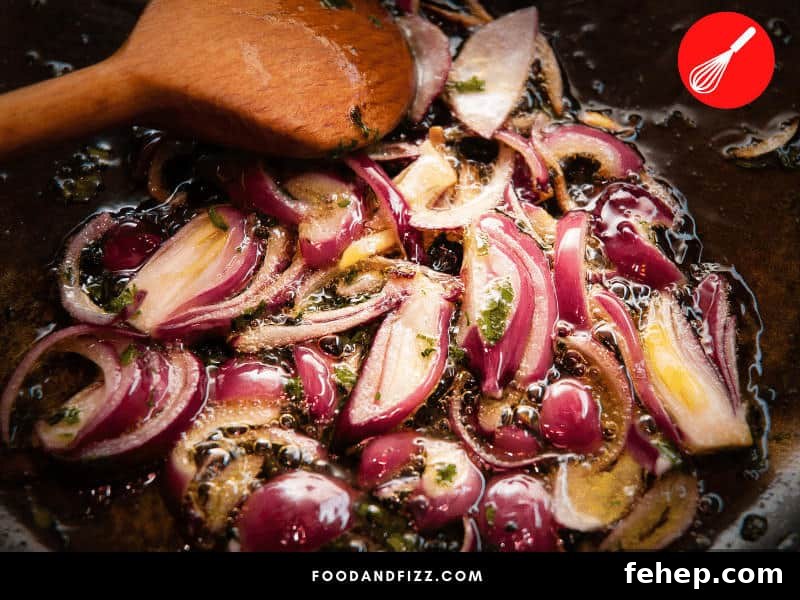
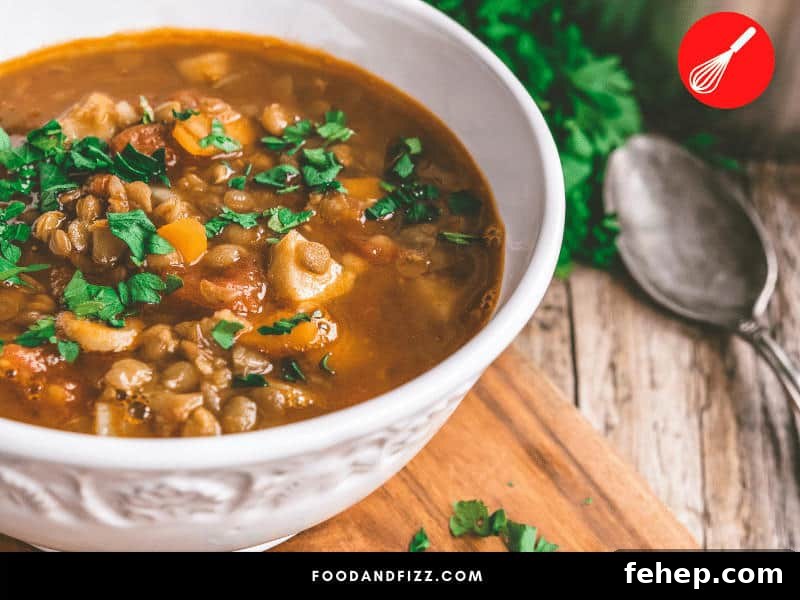
For soups, stews, and curries, begin by sweating or sautéing onions (and other aromatics like garlic) in fat. This releases their aromatics and deepens the flavor base of the dish. Once the onions are translucent and glossy, add meats, softer vegetables, and liquids. Even if the onions later dissolve into the sauce, their initial cooking enhances the overall taste.
Roasting Onions in the Oven with Meat
For oven roasts, you can cook onions and meat together. Arrange the roast in the center of a baking dish and place onions around the edges so they get plenty of heat and time to caramelize. Even if the onions are chunky, they’ll soften and brown during the roast, contributing aroma and flavor to the meat and pan juices.
Conclusion to Do You Cook Meat or Onions First?
Onions are a versatile building block in many recipes. As a practical guide: sear red meats first, cook onions first for poultry, and mix finely chopped onions into ground meat. For soups, stews, and roasts, sweat or roast onions to unlock their flavor. Ultimately, experiment a little to discover the timing and texture you prefer.
Frequently Asked Questions On Do You Cook Meat or Onions First?
Can You Cook Onions in the Oven?
Yes. Cut onions in half, season with salt and spices, drizzle lightly with oil, and roast at a high temperature (about 400°F / 200°C) cut-side down until tender and golden. Roasted onions develop a sweet, caramelized flavor and pair well with many dishes.
What is the Best Oil for Frying Onions?
Olive oil is a great choice for frying onions because it adds flavor and suits most shallow-frying applications. Choose an oil with an appropriate smoke point for your technique; for higher-heat searing you might prefer a neutral oil with a higher smoke point.