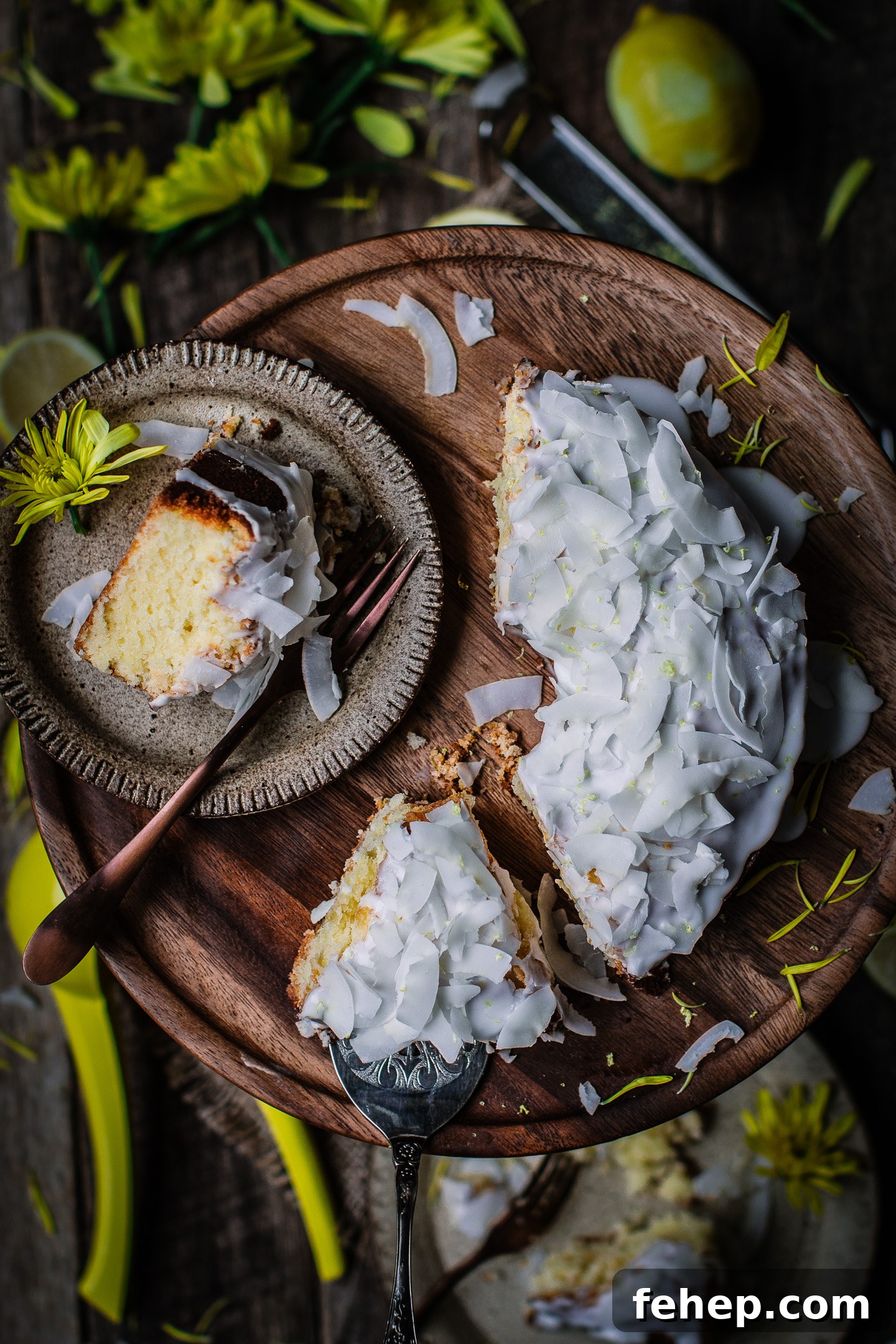
Ask anyone who cannot eat gluten what they miss most and baked goods will almost always be near the top of the list. Gluten acts like a glue in dough—providing stretch, elasticity and structure—so removing it makes baking one of the trickiest culinary skills to master. Without gluten, cakes can become dense or crumbly, bread can be heavy and pastries can lose their delicate flakiness.
That said, giving up gluten does not mean you must surrender soft, springy loaves, tender pastries or moist, crumb-free cakes. After many years of gluten-free baking, I’ve gathered twenty practical tips that consistently improve results. These guidelines will help you achieve reliable texture, good rise and great flavour when working without wheat-based gluten.
20 Gluten-Free Baking Tips
- The quality of commercially available gluten-free flours varies widely. Choose a well-balanced, blended plain gluten-free flour for most recipes; blends that combine rice, potato or tapioca starch and some pulse or nut flour will give you more consistent results than single flours alone.
- To make self-raising gluten-free flour from plain gluten-free flour, add 2 teaspoons of baking powder for every cup of plain flour. This simple swap is useful when a recipe calls for self-raising flour but you only have a plain blend on hand.
- If you substitute one gluten-free flour for another, always measure by weight rather than by volume. Different flours have different densities, and weighing ingredients produces far more consistent results.
- If a recipe needs extra elasticity, a small amount of xanthan gum helps bind and add stretch. Use it sparingly—too much produces a gummy texture. Alternatives like ground chia seeds, flaxseed meal or psyllium husk can also provide structure and moisture retention.
- Most gluten-free recipes need extra leavening to compensate for the absence of gluten. Baking powder and baking soda help create lift and lightness; adjusting these agents is often the key to achieving a good rise in quick breads, muffins and cakes.
- Use the pan size specified in a recipe. The volume of your pan determines bake time, depth and oven spring; using a pan that’s too small will cause overflow, while one that’s too large yields an overly thin bake.
- Grease and line your pans carefully. Properly greased tins and parchment lining prevent sticking—especially important with ornate bundt pans. Dust bundt tins with flour or cocoa powder after greasing to release intricate shapes cleanly.
- Read the recipe through before beginning and check the freshness of ingredients. Leavening agents, xanthan gum and nut meals can lose potency or go rancid, which will negatively affect texture and flavour.
- Use ingredients at room temperature unless the recipe specifies otherwise. Room-temperature eggs, butter and dairy emulsify better and produce a more even crumb. The exception is pastry, where cold butter is essential for flakiness.
- Always preheat the oven. Starting with the correct temperature gives your batter the immediate heat needed for oven spring and proper rise. An oven thermometer is a helpful tool if your oven’s built-in gauge is inaccurate.
- When measuring dry ingredients by volume, level with a knife to ensure accurate quantities. Scooping directly from the bag can compact flour and lead to overly dense results.
- Add eggs one at a time and scrape the bowl between additions. This helps create a smooth, well-emulsified batter and improves the final texture of cakes and cupcakes.
- Always rest pastry dough before rolling and baking. Resting firms the dough, relaxes any shrinkage-prone strands and makes it far easier to handle. Well-rested pastry is less likely to shrink in the oven.
- Roll pastry between two sheets of baking paper to prevent sticking and reduce the need for extra flour. This method keeps your bench clean and preserves the intended balance of fat to flour in the dough.
- If cookie dough is too sticky to handle, chill it for 30 minutes. A short refrigeration firms the dough and makes it easier to shape. You can also dust with a small amount of extra flour if needed.
- Chilling cookie dough for at least 30 minutes—or overnight—often yields a crisper, more evenly browned cookie with improved flavour. Resting allows the dry ingredients to hydrate and the flavours to meld.
- Taste as you go, especially when preparing batters or fillings. It’s difficult to correct a baked cake’s sweetness or spice level once it’s in the oven, so adjust sugar, salt and spices before baking where appropriate.
- Transfer bread directly to a wire cooling rack as soon as it comes out of the oven. Allowing air to circulate around the loaf prevents the crust from softening and helps develop a pleasing texture.
- Cooling time matters. Only ice or glaze cakes when they are completely cool; residual heat will melt the icing and create a runny finish. Similarly, allow freshly baked bread to cool and rest before slicing—slicing too early often yields a gummy crumb.
- Enjoy the process and learn from every bake. Gluten-free baking involves experimentation and small adjustments. With practice you’ll build confidence, refine ratios and consistently produce delicious results.