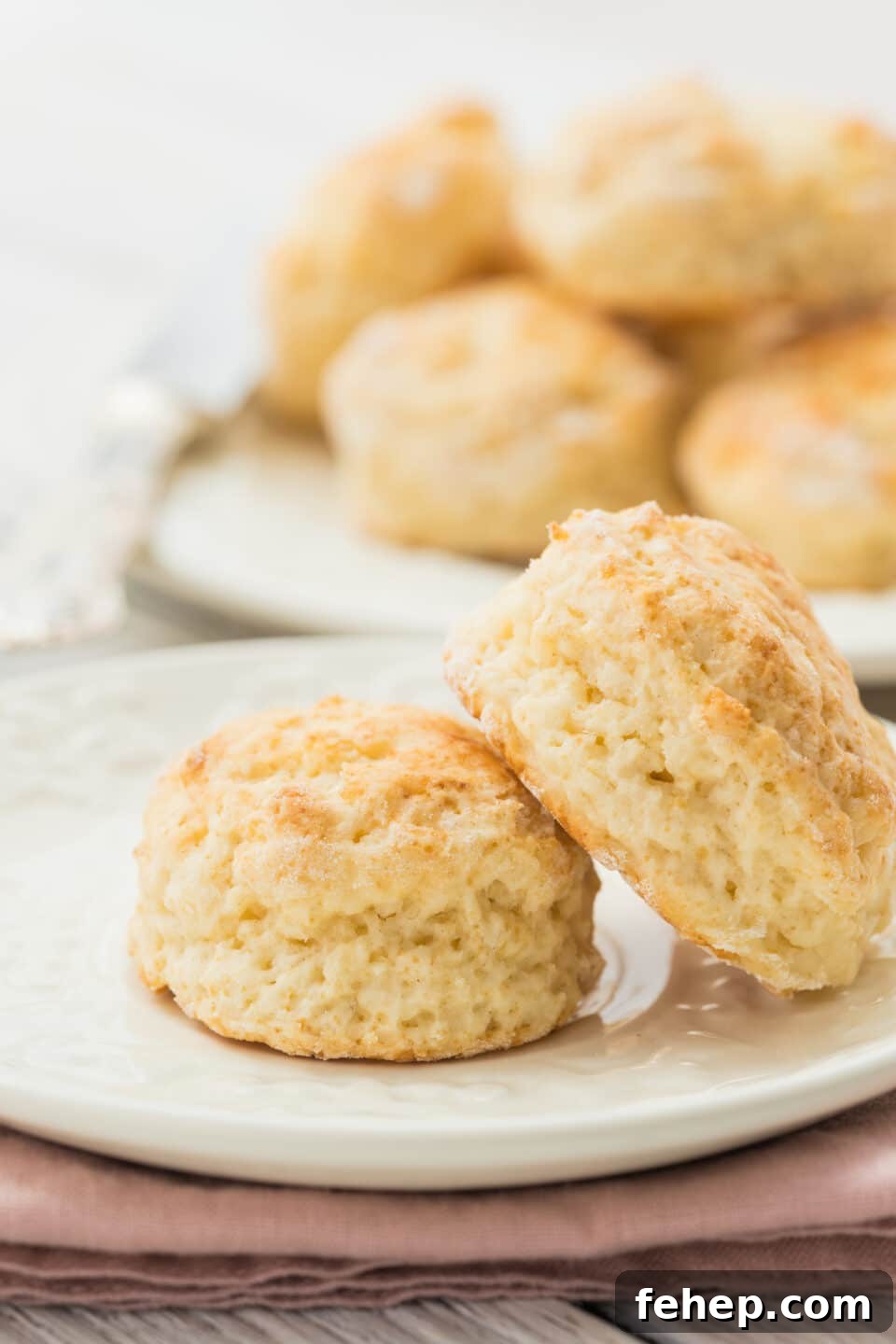
Craving crumbly scones for tea time or breakfast? These buttermilk scones are lightly sweet, making them a versatile base for both sweet and savory toppings. They are quick to prepare, though you’ll need to ignore what you usually expect from dough — it should be slightly crumbly and irregular.
Taste and Occasion
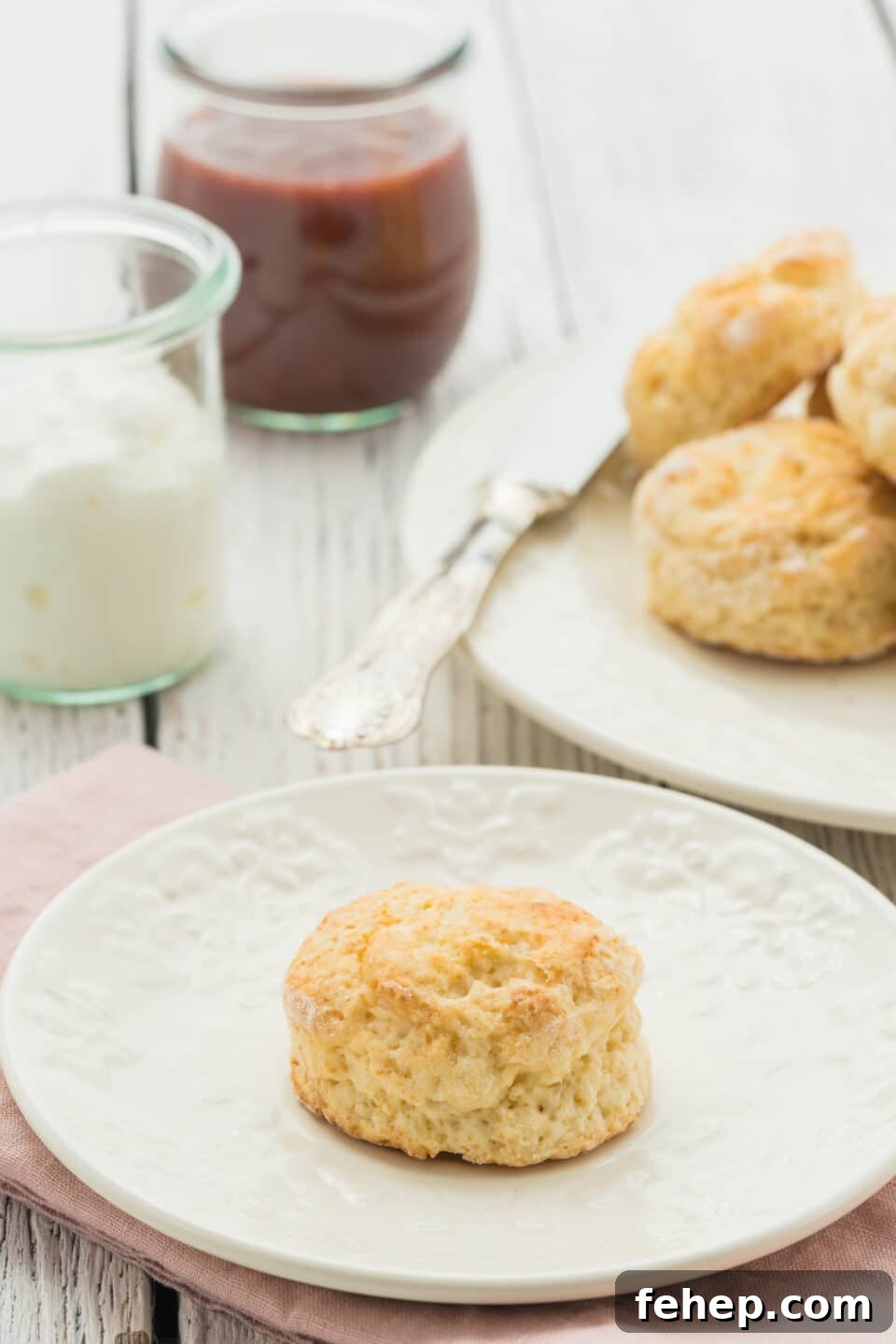
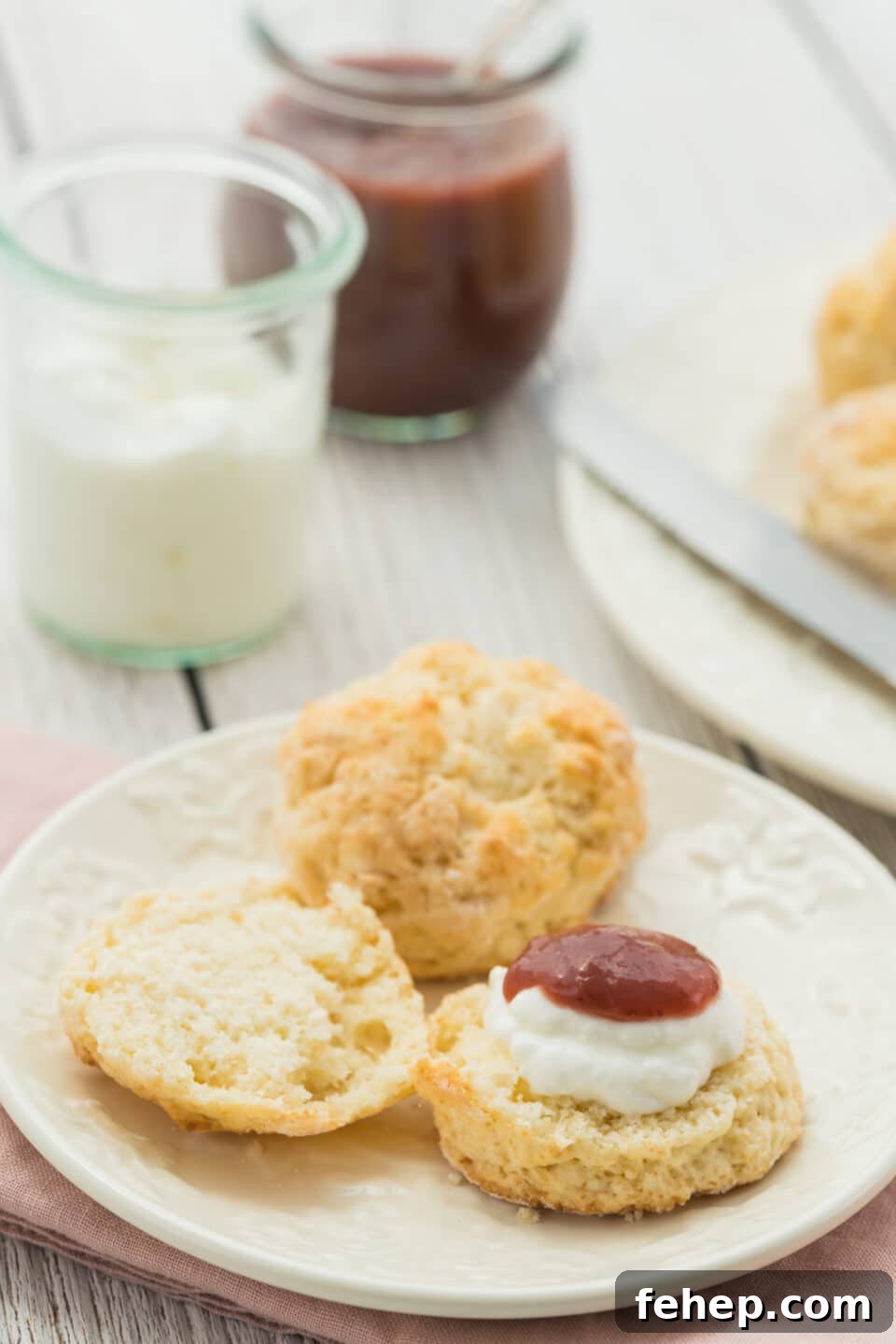
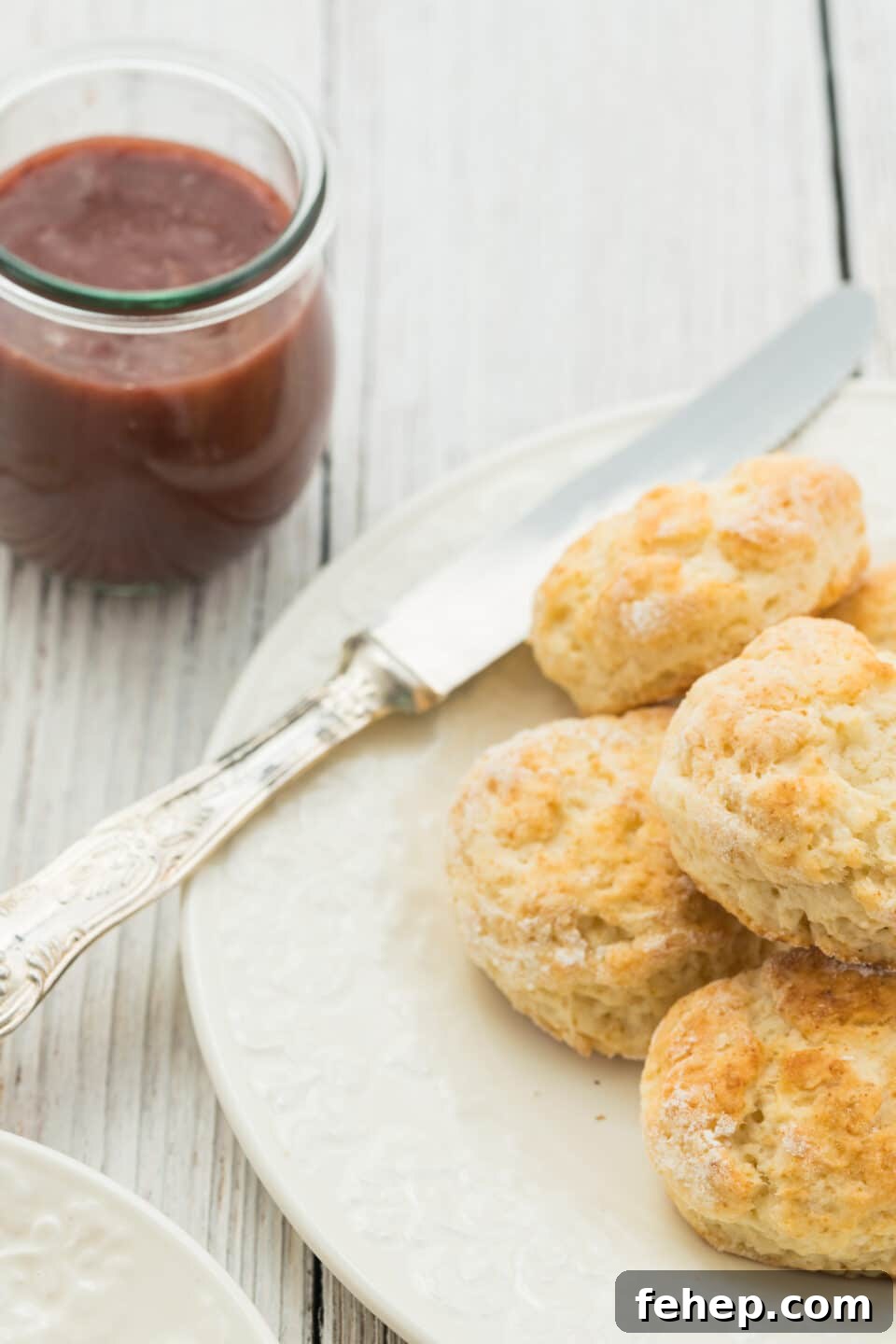
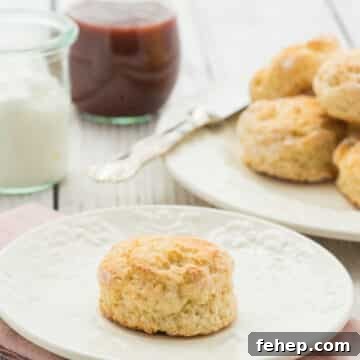
Scones are a soft yet crumbly pastry, somewhere between a delicate bun and a biscuit. Their texture and shape are intentionally rustic; a perfectly uniform appearance is not the goal. Classic British or Irish scones are relatively neutral in flavor and pair beautifully with sweet or savory accompaniments. There are many variations — fruity scones with dried fruit or chocolate, and savory versions with cheese and herbs. This buttermilk scone recipe yields a lightly sweet, lower-fat scone. Traditionally served with clotted cream and jam at tea, I prefer curd or cream cheese, which makes an excellent topping.
Ingredients
Baking these scones requires a small adjustment in expectations: the dough will be crumbly and uneven, and that is normal. The key steps are keeping the butter cold and avoiding overworking the dough.
Rub the cold butter into the flour with your fingertips until the mixture resembles fine crumbs. After adding the buttermilk, mix gently with a spoon — avoid kneading. Visually the dough may look imperfect, but this contributes to the scones’ light, flaky texture. Two essential features are baking powder for lift and the intentionally rustic look.
How to make the Buttermilk Scones
Preheat the oven to 400°F / 200°C and line a baking sheet with parchment. In a bowl combine the flour, baking powder, salt, and sugar. Add cold butter in fine flakes and rub it into the dry ingredients with your fingers until the mixture resembles coarse crumbs. Be careful — the mixture will be very dry.
Gradually stir in the buttermilk with a spoon until the dough comes together. If the dough is extremely dry, you may briefly knead it by hand and add 1–2 tablespoons more buttermilk. It’s normal for the dough to remain somewhat crumbly and uneven.
Turn the dough onto a lightly floured surface or baking mat and gently press or roll it out to a thickness of about 3–4 cm (roughly 1¼–1½ inches). Use a large floured cookie cutter or glass to cut out about ten rounds. Press the cutter straight down — do not twist. Arrange the scones on the prepared baking sheet, brush the tops with a little milk, and bake 10–13 minutes depending on size, until golden brown. Serve warm.
Top Tip
You can substitute some or all of the buttermilk with a slightly thicker whole-milk yogurt for a tender, slightly tangier scone.
Recipe Card
Buttermilk Scones
Ingredients
- 250 gram (2 cups) all-purpose flour
- ½ small bag baking powder
- ¼ teaspoon (⅓ teaspoon) salt
- 40 grams (3 ⅓ tablespoons) sugar, more or less according to taste
- 50 grams (3 ⅔ tablespoons) butter, cold and in flakes
- 150 milliliters (10 tablespoons) buttermilk
- milk, for brushing
Instructions
-
Preheat oven to 400°F / 200°C. Line a baking sheet with parchment. Combine flour, baking powder, salt, and sugar in a bowl. Add cold butter in flakes and rub it into the dry ingredients until the mixture resembles coarse crumbs.
-
Gradually stir in the buttermilk with a spoon until the dough comes together. If the dough is very dry, add 1–2 tablespoons more buttermilk and briefly work the dough by hand. The dough should remain somewhat crumbly and uneven.
-
Press or roll the dough to a thickness of about 3–4 cm and cut out rounds with a floured cutter or glass. Press straight down without twisting. Place scones on the baking sheet, brush with milk, and bake 10–13 minutes until golden.
Ingredient substitutions
Variations
Some buttermilk scone recipes use much more butter or fat; these can become cookie-like. This recipe is made without egg, both in the dough and for the glaze, which makes it suitable for those avoiding eggs. If you do use eggs, brushing the tops with beaten egg yolk before baking will give a richer, shinier finish.