I have a confession to make… I used to be a kitchen disaster.
I was reminded of that when I thought back to my university exchange in Mannheim, Germany. I’d gone abroad full of enthusiasm but with almost no practical cooking skills. Looking back now, it’s almost unbelievable that I survived a semester living far from home while having very little idea how a kitchen actually worked.
Cooking day after day is challenging if you don’t know the basics. I didn’t just lack confidence — I lacked basic familiarity with ingredients and appliances. At the supermarket I often couldn’t tell one leafy vegetable from another in its raw state. I hadn’t learned how grains become porridge, how corn starch thickens a sauce, or the difference between grilling and barbecuing. These were simple fundamentals that I’d never bothered to learn.
I never bothered to make friends with the kitchen.
Back home, food arrived already cooked, plated and ready to eat. I never paid attention to the steps before a meal. As a result, I never built a relationship with the space and tools where food is made. That lack of familiarity turned into a real fear of operating any kitchen appliance. I avoided experimenting and defaulted to the simplest, repeatable dishes so I could be sure I would at least have something edible.
My miracle-working microwave rice cooker
When I arrived in Germany, my roommate Faye introduced me to a microwave rice cooker she’d bought before the exchange. Faye, also from SMU, was braver in the kitchen and more willing to experiment, so she became my first real guide. For many Asian households, rice is central to a meal, and having a reliable way to cook it felt like a lifeline. Our microwave rice cooker could turn long grains into fluffy rice in about 20 minutes, and that simple appliance made a huge difference to our daily meals.
With rice sorted, we kept things simple: stir-fried Chinese bak choy with garlic and a splash of soy, chicken in oyster sauce, fried rice, and occasional fried noodles. We learned a few basic tricks like adding a pinch of corn starch to thicken a sauce. These were easy, forgiving recipes suitable for people who were still learning their way around pots, pans and a tiny shared kitchen.
Kitchen fears
My fear of kitchen equipment and unfamiliar ingredients limited me to a small repertoire. I preferred repeating safe, known dishes rather than risking food that might be inedible. That semester my diet consisted mainly of stir-fried vegetables, stir-fried chicken, steamed rice, fried rice, fried noodles, fried eggs and a lot of cheap pasta with pre-made sauce. It was monotonous and nutritionally unbalanced, but it got me through the exchange.
When I returned home to Singapore after that short but intense four-month semester, it was obvious the diet had taken its toll. Family urged me to get back into a healthier routine. Looking back, the experience was uncomfortable but instructive: it highlighted how useful even a few basic cooking skills can be for variety, health and confidence.
I finally turned the page!
Fortunately, that phase didn’t last forever. Over time I learned more about cooking and gradually stopped being intimidated by the kitchen. I experimented more, embraced new ingredients, and developed a richer, more balanced home-cooked repertoire. What once felt like an insurmountable barrier became a series of small, learnable steps.
Sharing this story feels like closing a chapter — and admitting that many people start their cooking journeys with awkward, imperfect beginnings. The key takeaway is simple: you don’t have to be born into a kitchen to learn to love it. A few basic tools, a willingness to try, and a friend like Faye who shows you the microwave rice cooker can change everything.
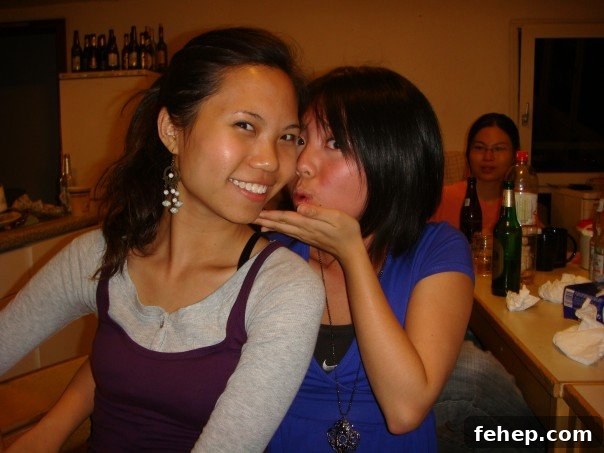
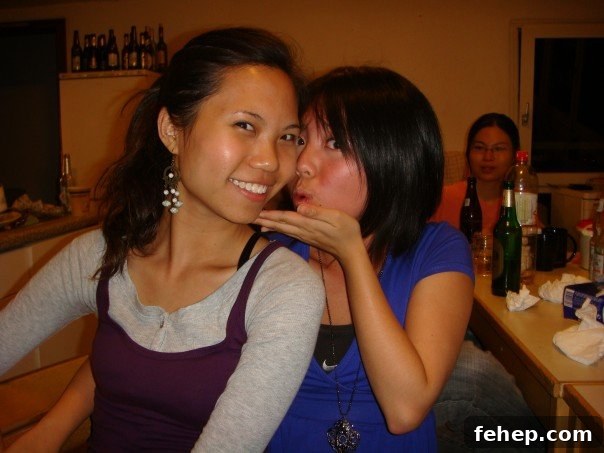
This is Faye and I in our Mannheim kitchen in 2007, oblivious to our fears!!