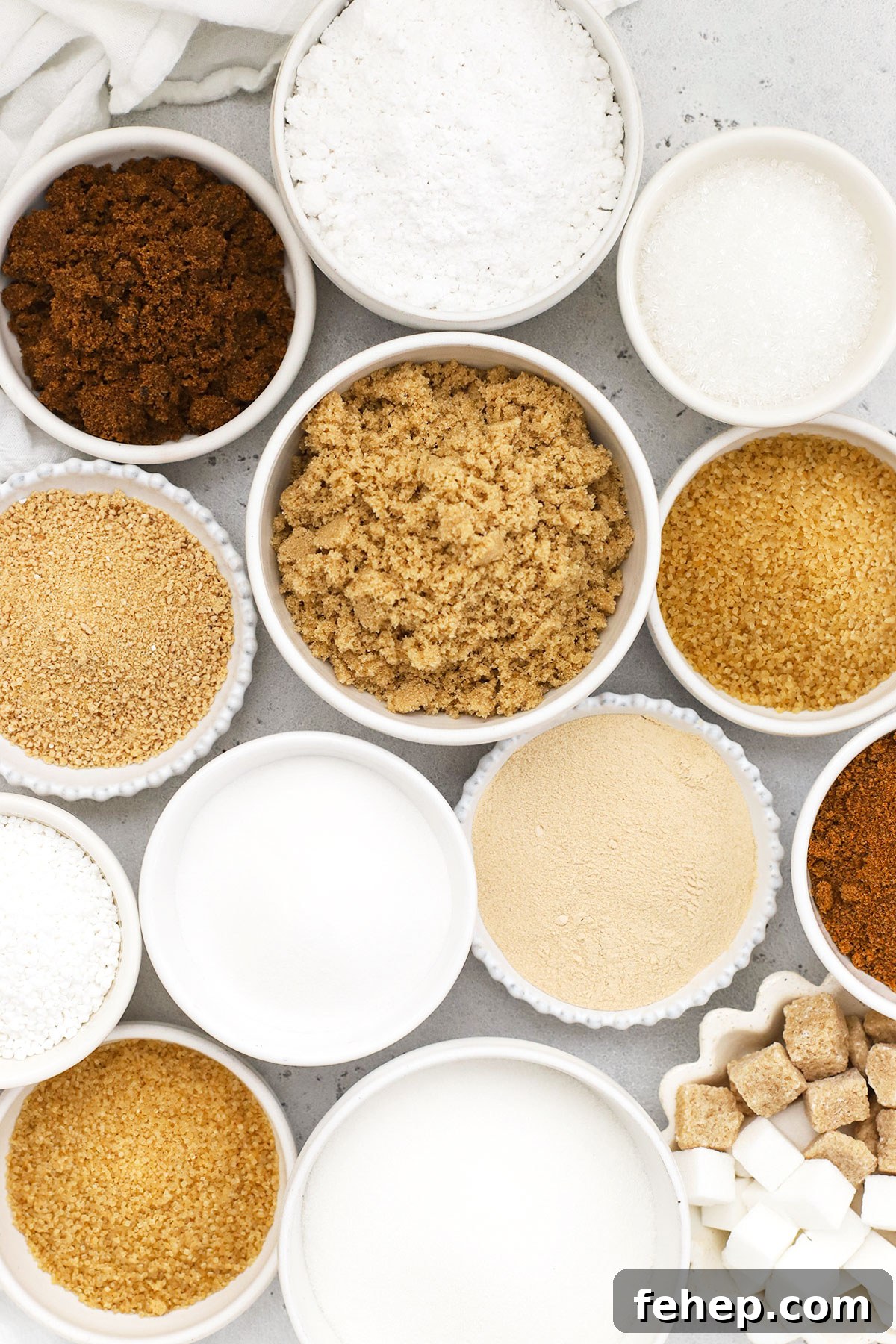
12 Kinds Of Sugar & How To Use Them – We break down common sugars and how to use them in cooking and baking.
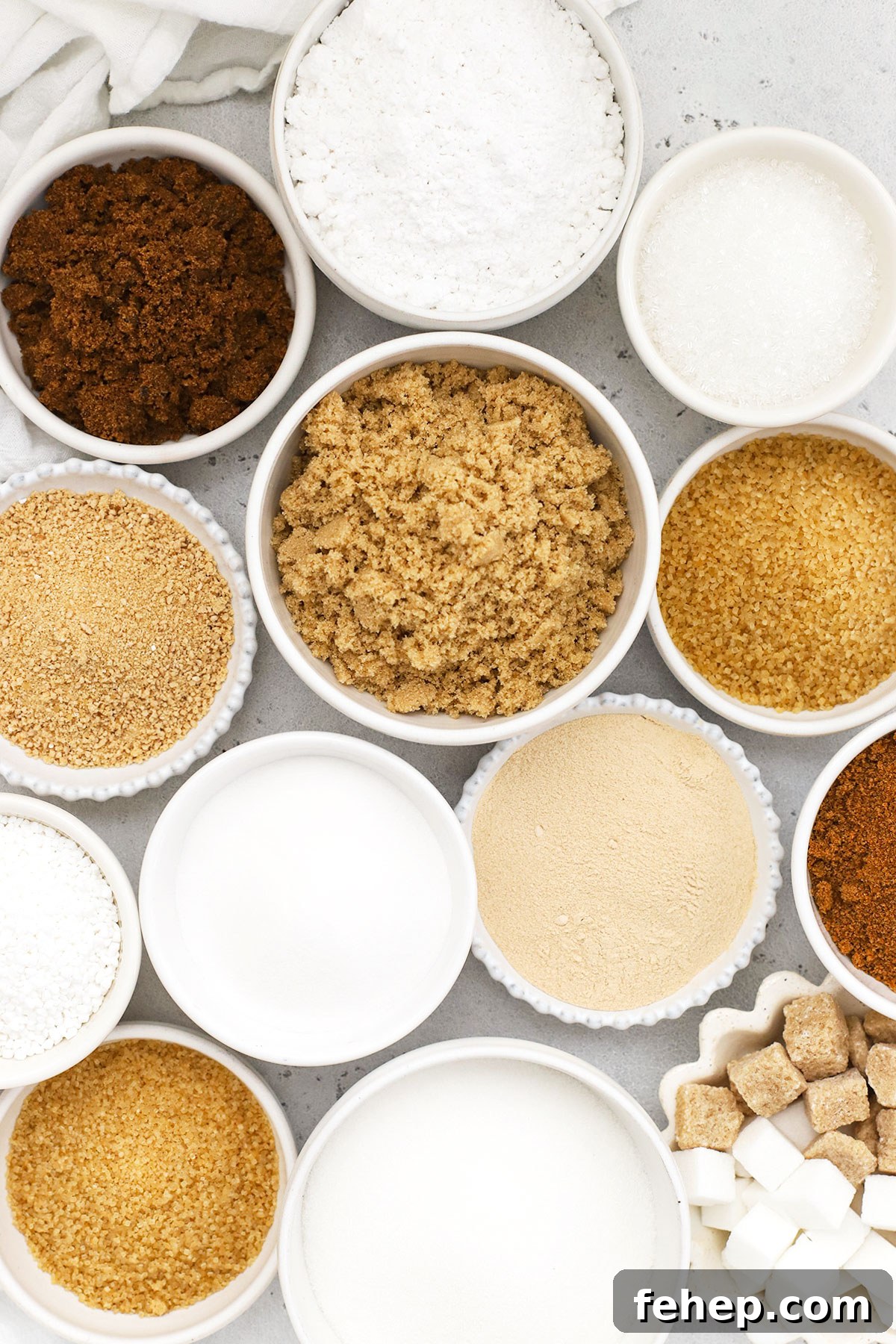
Sweeteners appear in almost everything we create here at Sweets & Thank You. From cookie dough and fluffy frosting to garnishes and mocktails, sugar plays a key role. While opinions vary on sugar intake and the best sweeteners to use, this guide focuses on straightforward, practical information about the most common kinds of sugar and how to use them in everyday cooking and baking.
Below you’ll find clear descriptions of different sugars, suggested swaps, and tips for measuring, storing, and working with them so your recipes turn out great.
Here are the different types of sugar for cooking and baking and how to use them…
Different Types Of Sugar, At A Glance:
- Granulated Sugar
- Brown Sugar
- Powdered Sugar
- Caster Sugar (Superfine Sugar)
- Turbinado Sugar
- Demerara Sugar
- Muscovado Sugar
- Pearl Sugar
- Sparkling Sugar
- Maple Sugar
- Coconut Sugar
- Date Sugar
- FAQ + Tips And Tricks For Working With Sugar
- More Baking Tips To Try
Granulated Sugar
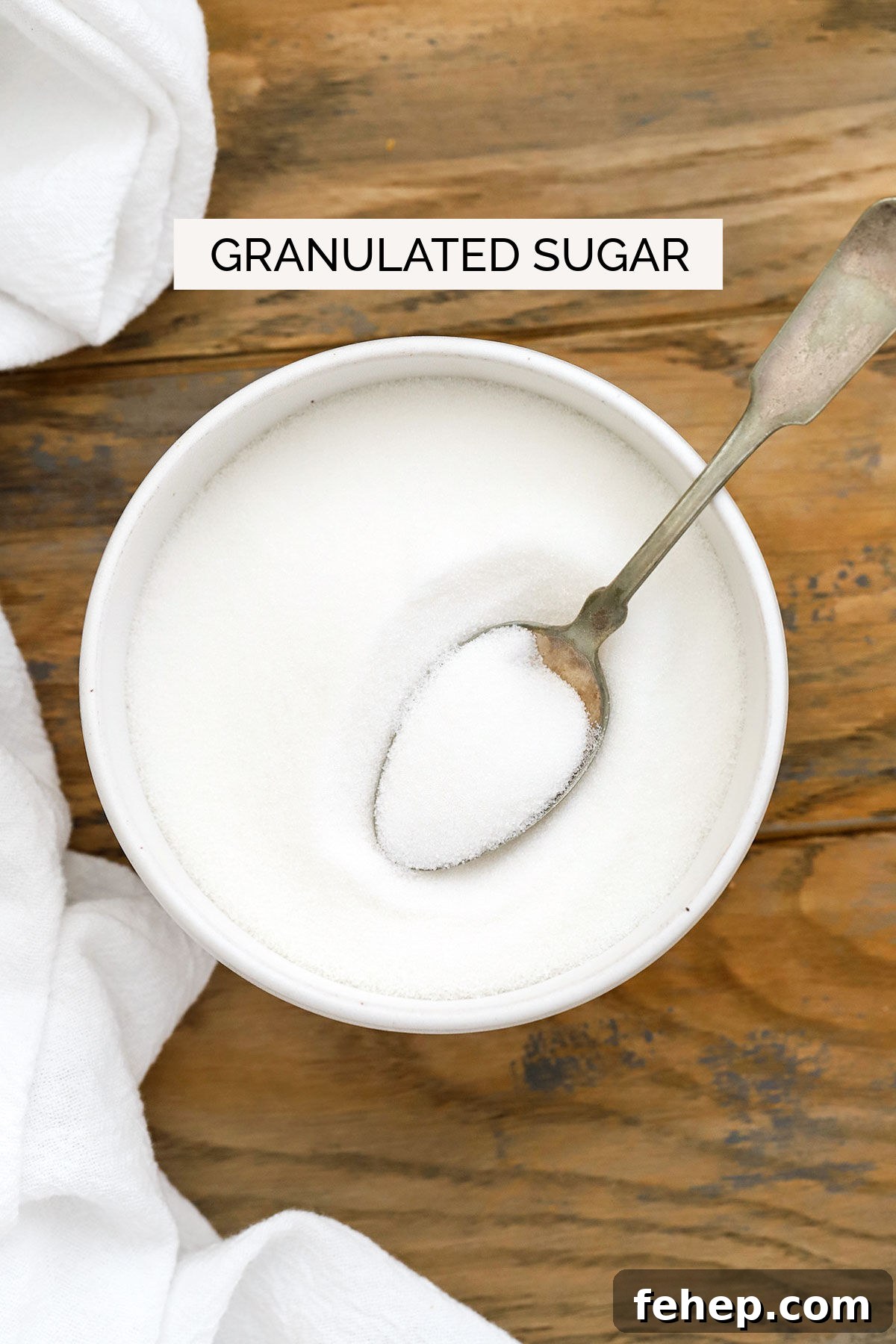
Granulated sugar—often called white or table sugar—is the sugar most recipes mean when they list “sugar” on an ingredient list or nutrition label. It’s produced from sugar cane or sugar beets and refined to remove molasses, giving it a white appearance. Some products labeled “cane sugar” are simply white sugar made only from sugarcane and may look slightly more off-white or blonde; they behave the same in most recipes.
Granulated sugar dissolves easily, making it ideal for creaming with butter in cakes and cookies, mixing into batter, or creating simple syrup for beverages. Its neutral, clean sweetness makes it the default sugar in many baking and cooking applications.
Brown Sugar
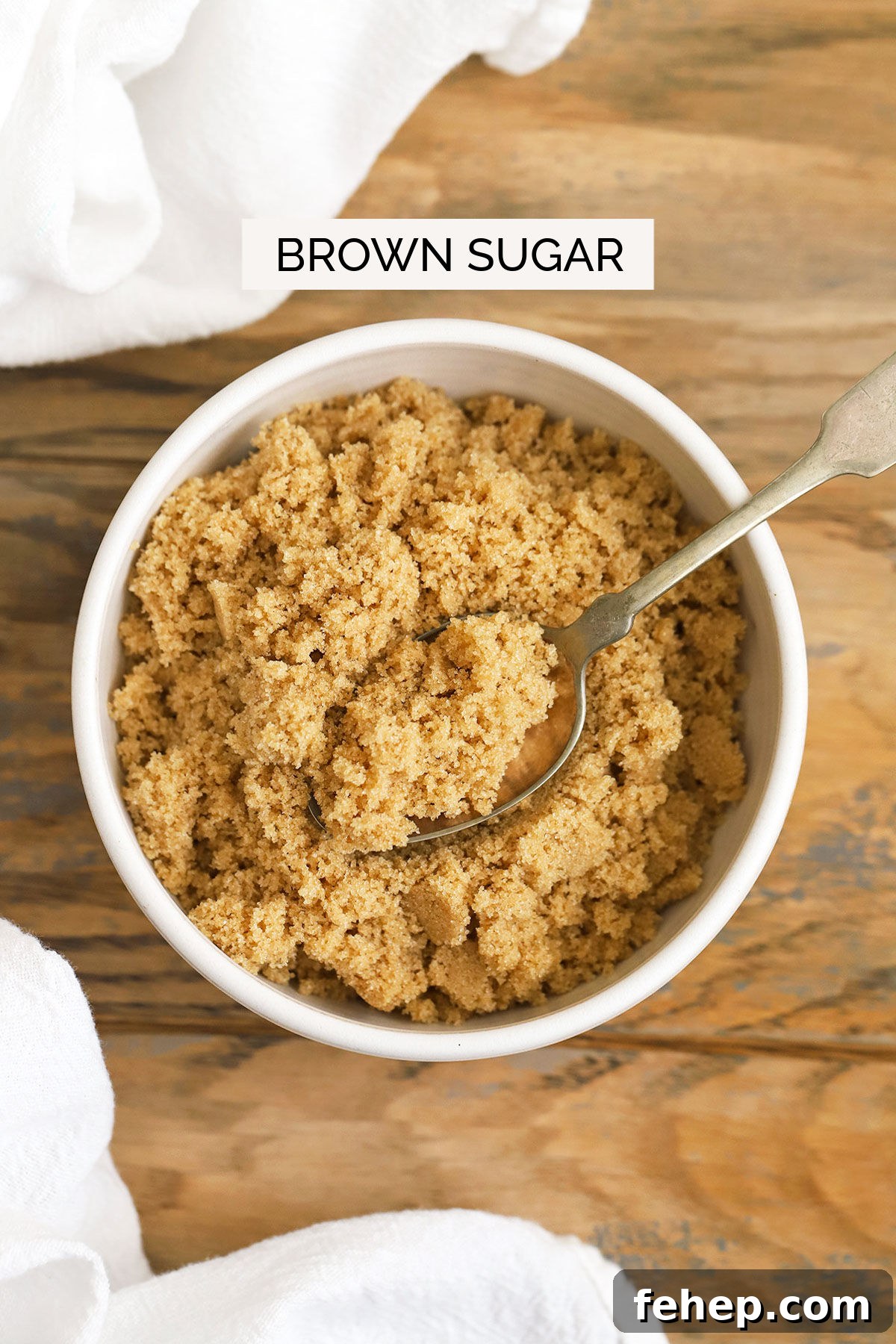
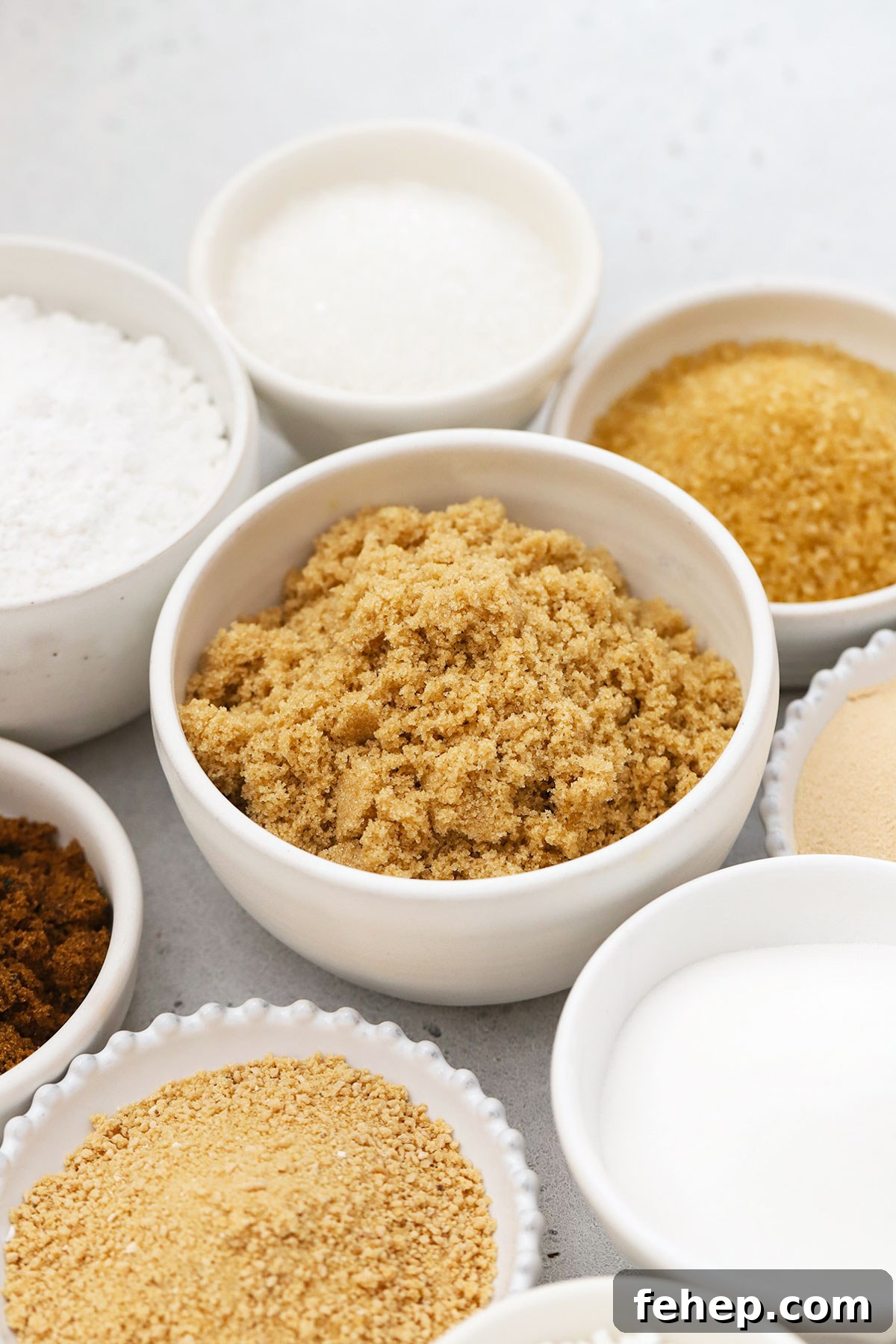
Brown sugar is granulated sugar with molasses added back in. Light brown sugar contains less molasses, while dark brown sugar has more, which deepens both color and flavor. The molasses adds moisture and a richer, toffee- or caramel-like taste.
Because it is more moist, brown sugar adds chewiness and tenderness to cookies, muffins, and brownies. Measure it by packing it into the cup or, for best accuracy, weigh it on a kitchen scale. Brown sugar can dry out and harden; storing it airtight or using a moisture keeper will help. If it does harden, a slice of bread or a few marshmallows in the container overnight will soften it again.
Good to know: You can make a quick brown sugar substitute by mixing granulated sugar with a small amount of molasses when needed.
Powdered Sugar
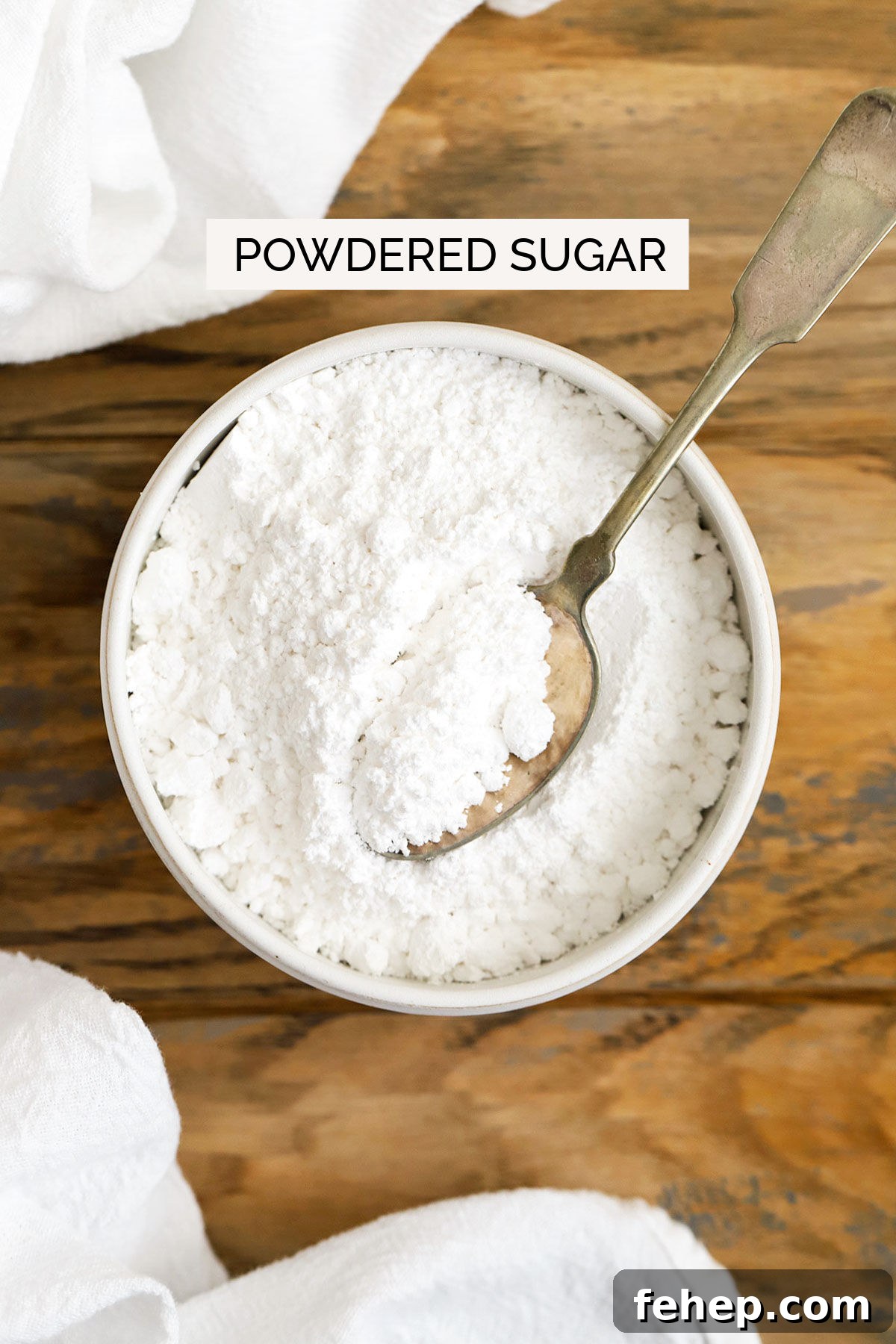
Powdered sugar, also called confectioners’ or icing sugar, is granulated sugar ground to a fine powder and often blended with a small amount of starch to prevent clumping. This fine texture dissolves instantly, making powdered sugar the go-to for frostings, glazes, and dusting desserts for a delicate finish.
It’s ideal for smooth glazes, shiny frostings, and a light dusting over baked goods. If you’re out of powdered sugar, you can pulse granulated sugar in a blender to approximate it, though the texture may be slightly coarser and could scuff blender containers.
Caster Sugar (Superfine Sugar)
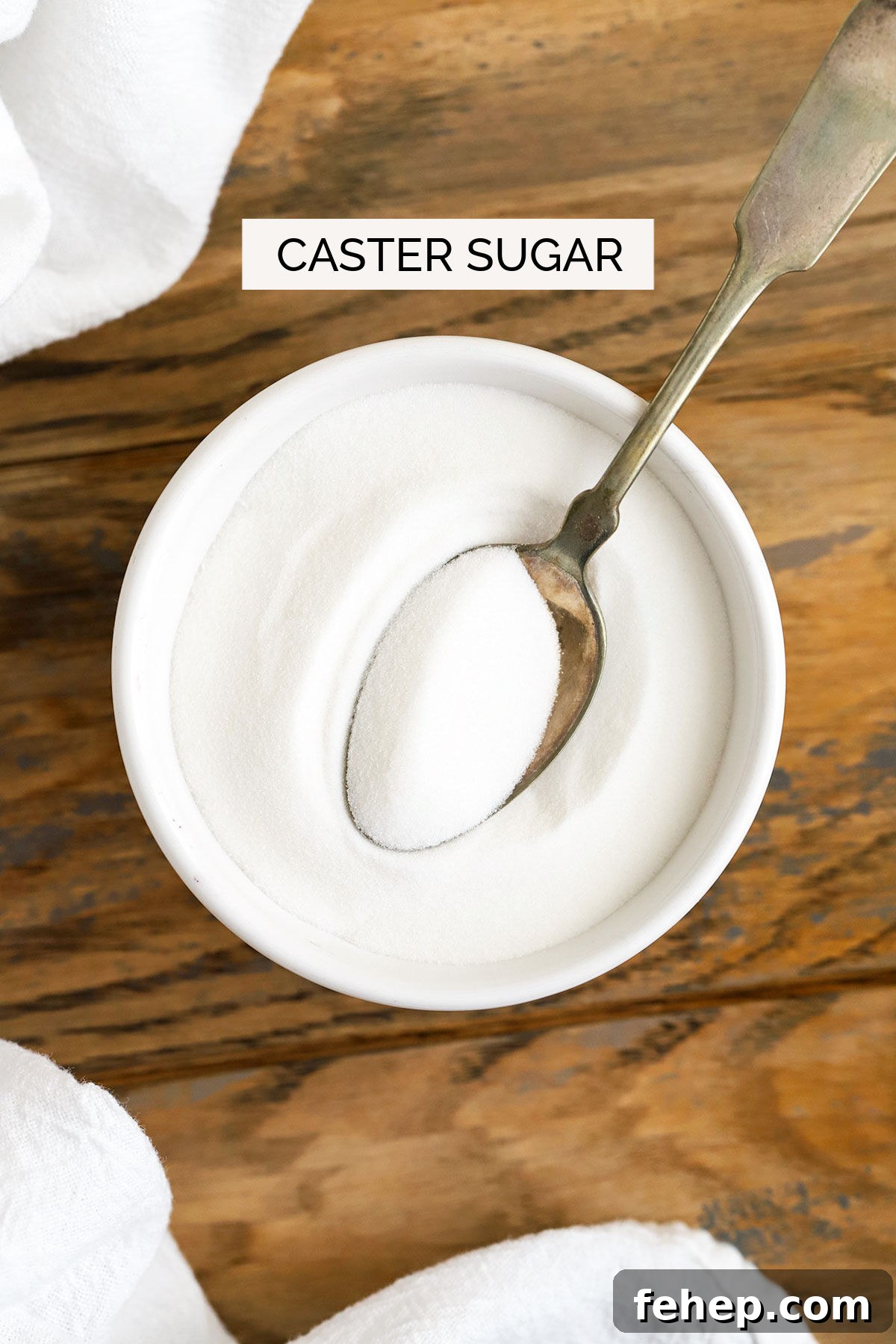
Caster sugar, also called superfine or baker’s sugar, has very small crystals that dissolve quickly. It’s popular in Europe and useful for recipes where fast dissolution is important, such as meringues, delicate cakes, or cold beverages.
If you can’t buy caster sugar, pulse granulated sugar briefly in a food processor to make a finer grain that works well in most applications requiring superfine sugar.
Turbinado Sugar
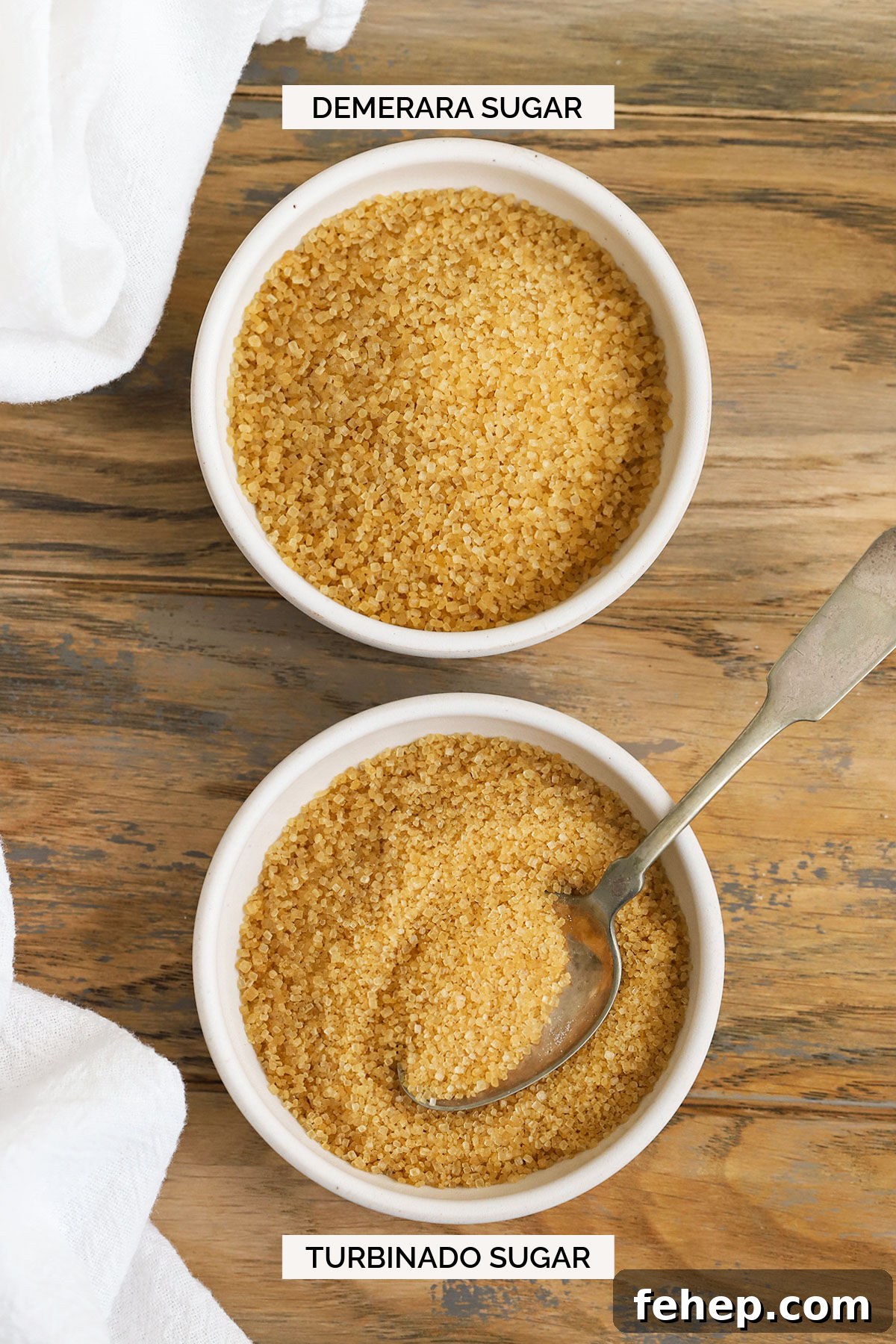
Turbinado sugar, often labeled as “raw sugar,” is less refined than white sugar. It has larger crystals, a light golden color, and a mild caramel flavor. Because of its coarse grains and pretty sheen, it makes an attractive crunchy topping for muffins, scones, or quick breads.
Note: If you need turbinado as a garnish and don’t have it, demerara or sparkling sugar are good alternatives for a crunchy finish.
Demerara Sugar
Demerara sugar has larger, crunchy crystals and a toffee-like flavor. It’s popular for stirring into hot drinks or sprinkling on baked goods for texture and sparkle. It is similar to turbinado sugar and is often interchangeable as a finishing sugar.
Muscovado Sugar
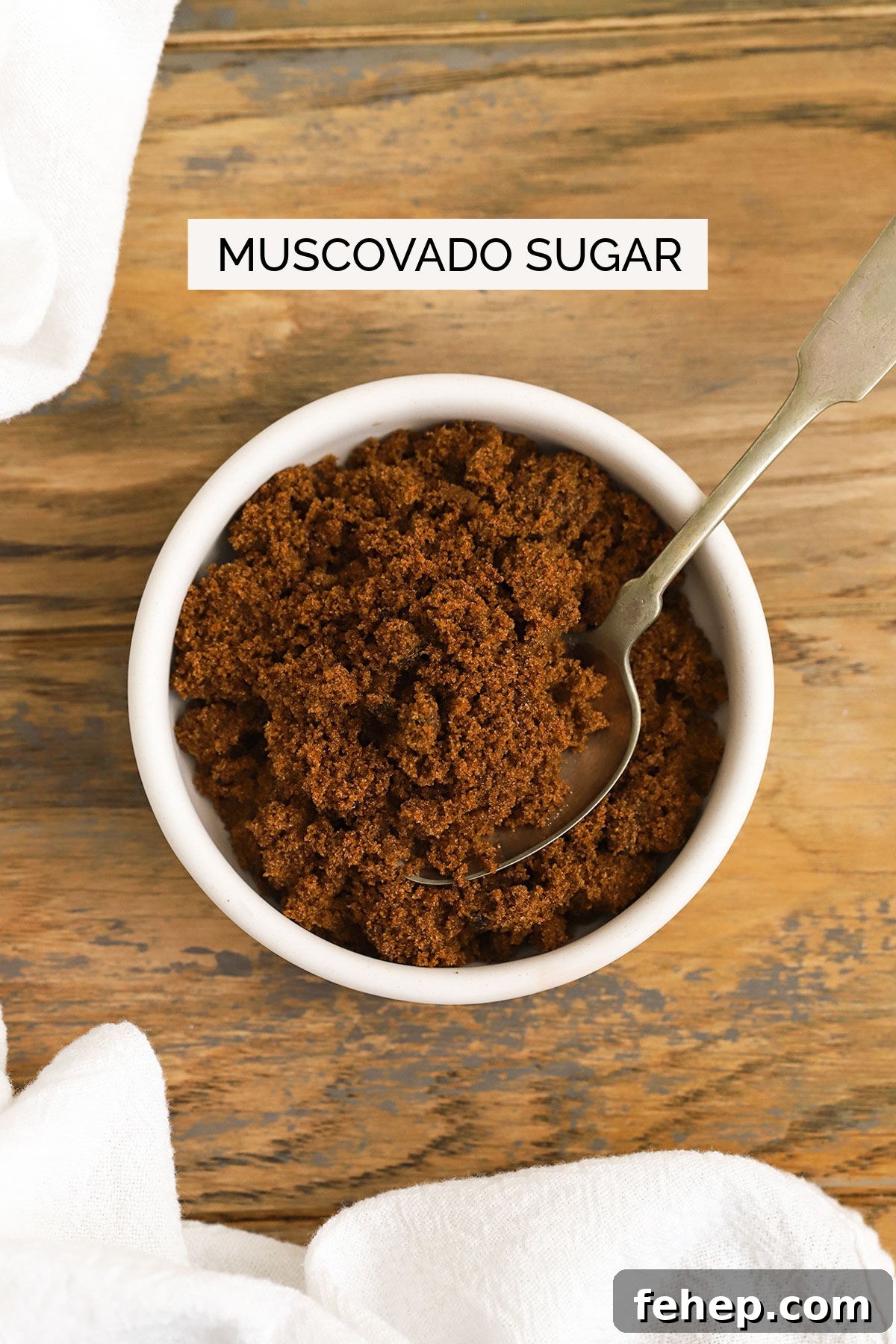
Muscovado, also called Barbados or molasses sugar, is an unrefined cane sugar with a high molasses content. It comes in light and dark varieties, with dark muscovado delivering bold, pronounced molasses flavor. Because it retains most of its molasses, muscovado is rich, moist, and strong-tasting—excellent in robust recipes like gingerbread, dark cakes, barbecue sauces, or rum-based preparations.
Muscovado is more intense than ordinary brown sugar, so substitute it only when its flavor suits the recipe. Unrefined alternatives like panela can be used when muscovado isn’t available.
Pearl Sugar
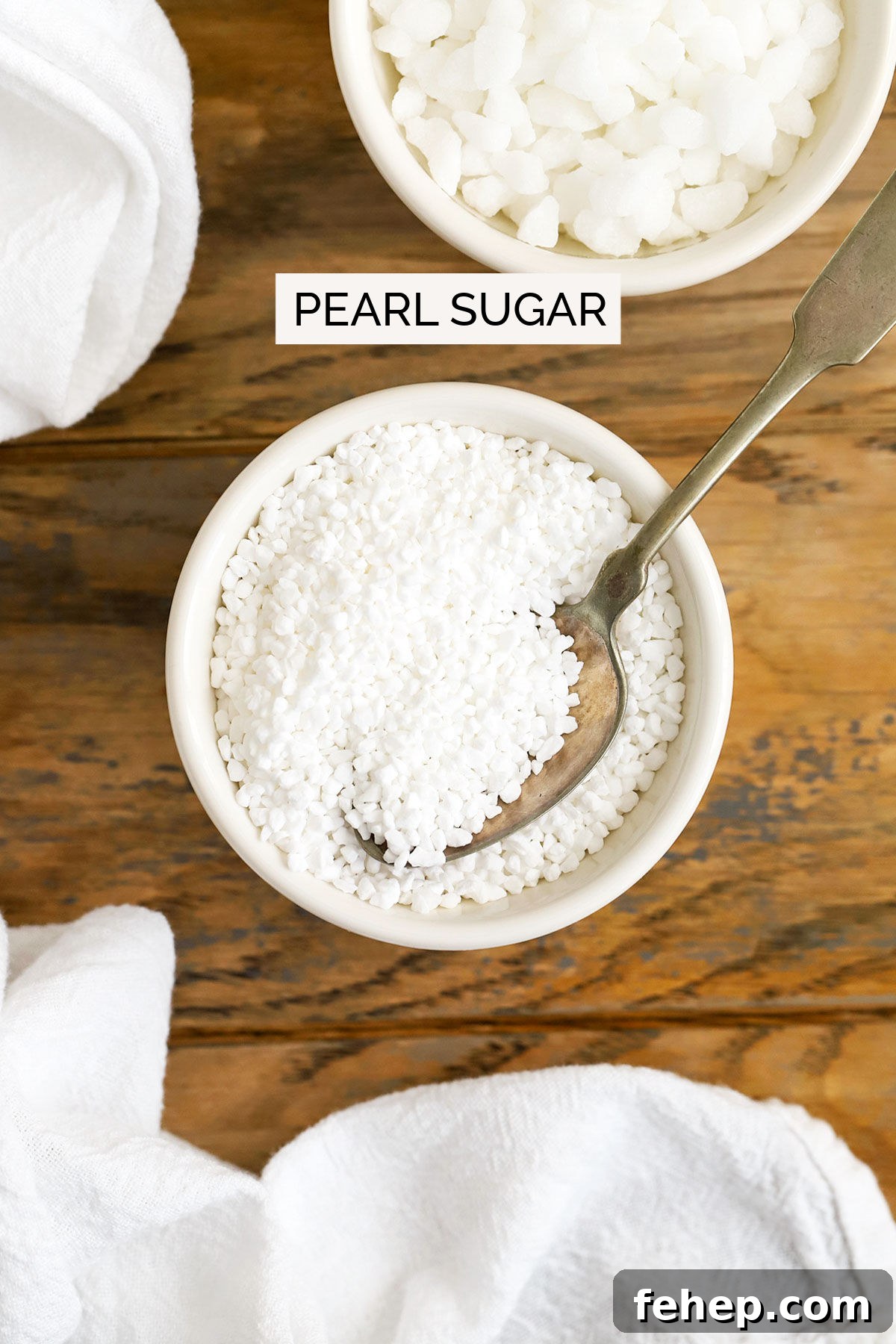
Pearl sugar comes in two common varieties: Belgian pearl sugar, which is large and very crunchy and commonly used in Liege waffles, and Swedish pearl sugar, which is slightly smaller and often used to top cinnamon buns. Pearl sugar is decorative and textural—used mainly as an accent rather than a primary sweetener.
Tip: If you can’t find pearl sugar, you can make a similar effect at home by crushing sugar cubes into coarse pieces.
Sparkling Sugar
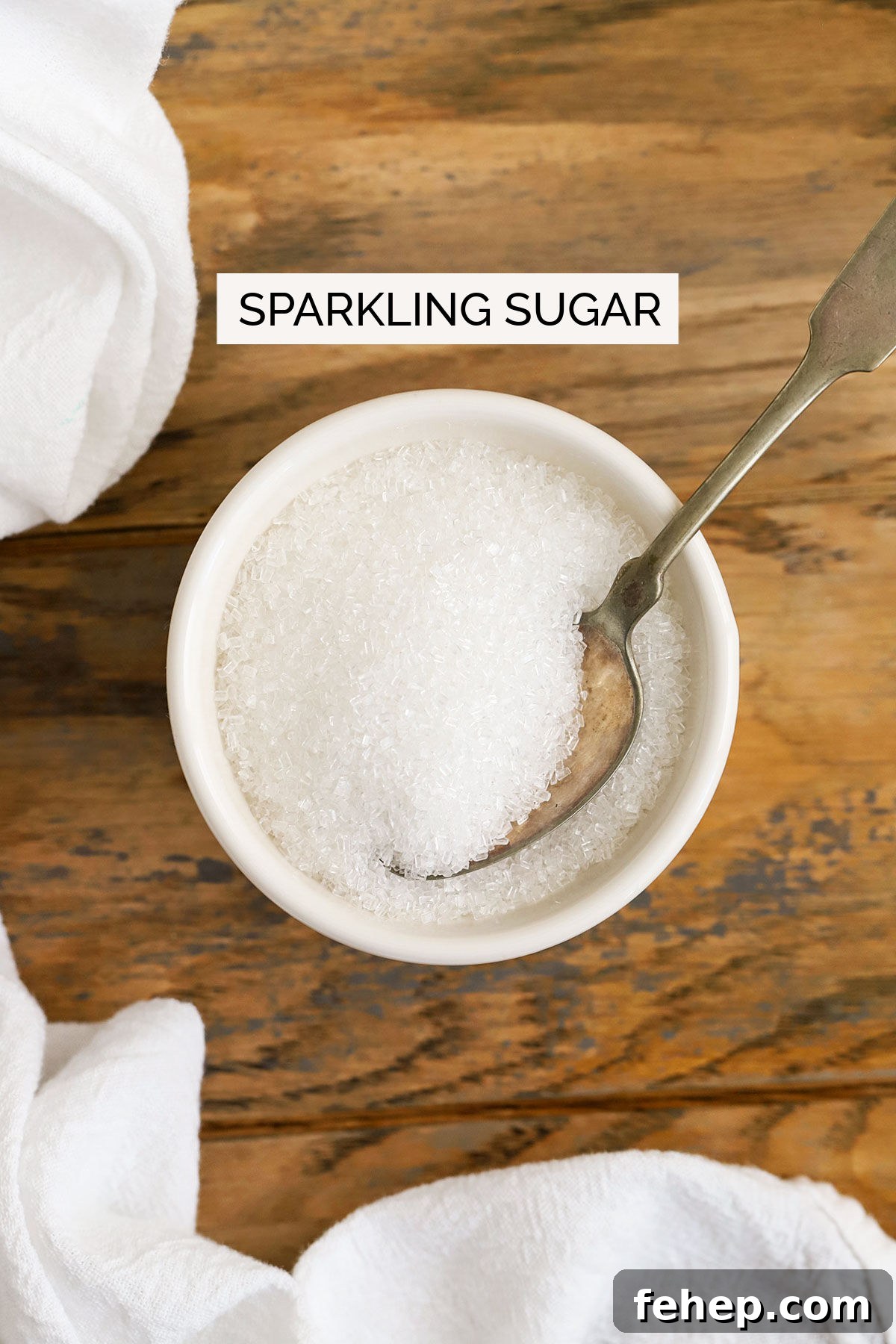
Sparkling or sanding sugar is purely decorative. It’s bright, coarse, and often bleached white or colored for a sparkly finish on cookies, cakes, and confections. Use it for visual impact and a light crunch.
Maple Sugar
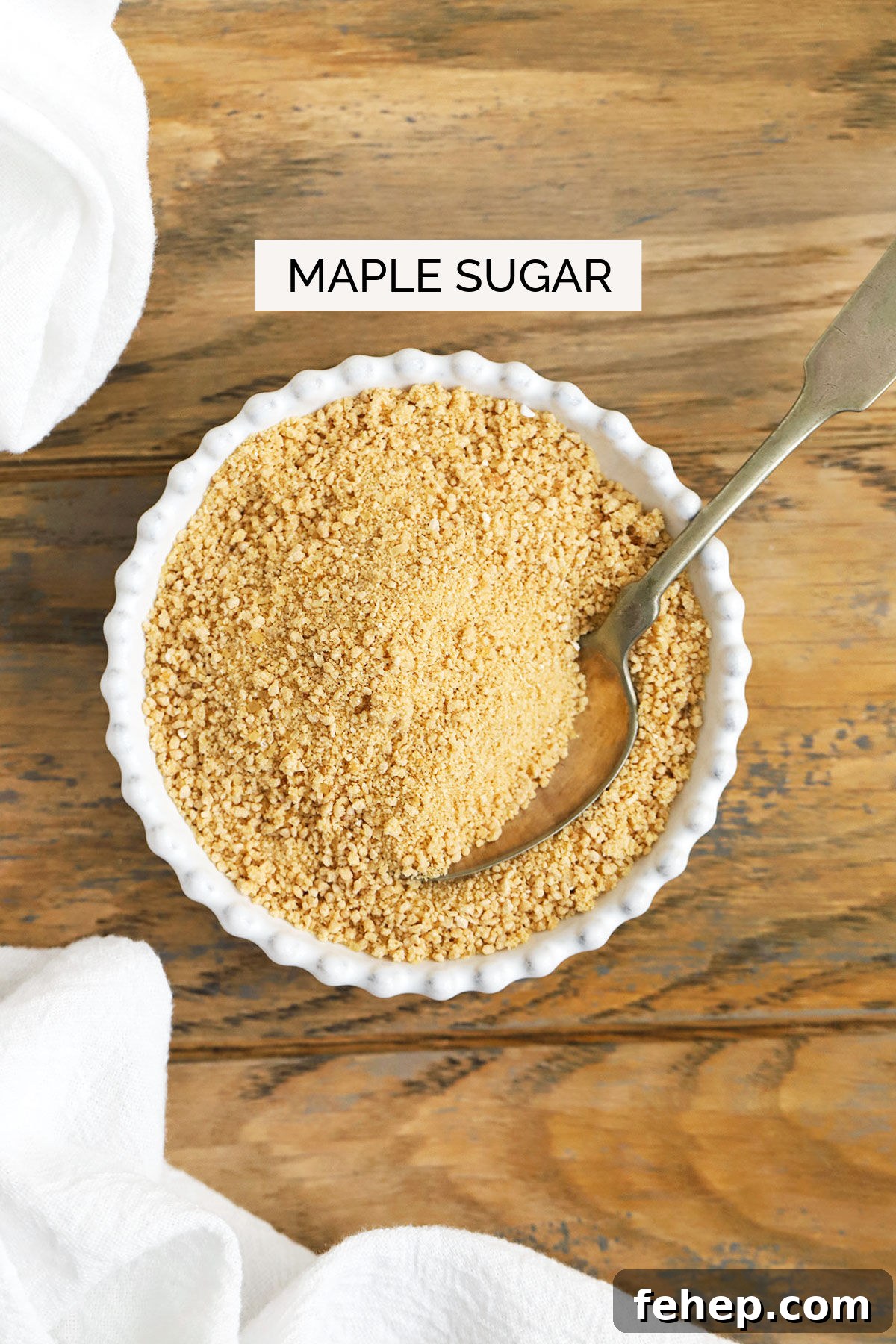
Maple sugar is crystallized pure maple syrup and carries an intense maple flavor with deep caramel notes. It’s often used by bakers looking to avoid processed white sugar. Because it browns and can burn more easily, maple sugar is best used when recipes specifically call for it or when you want a pronounced maple character in small amounts.
Coconut Sugar
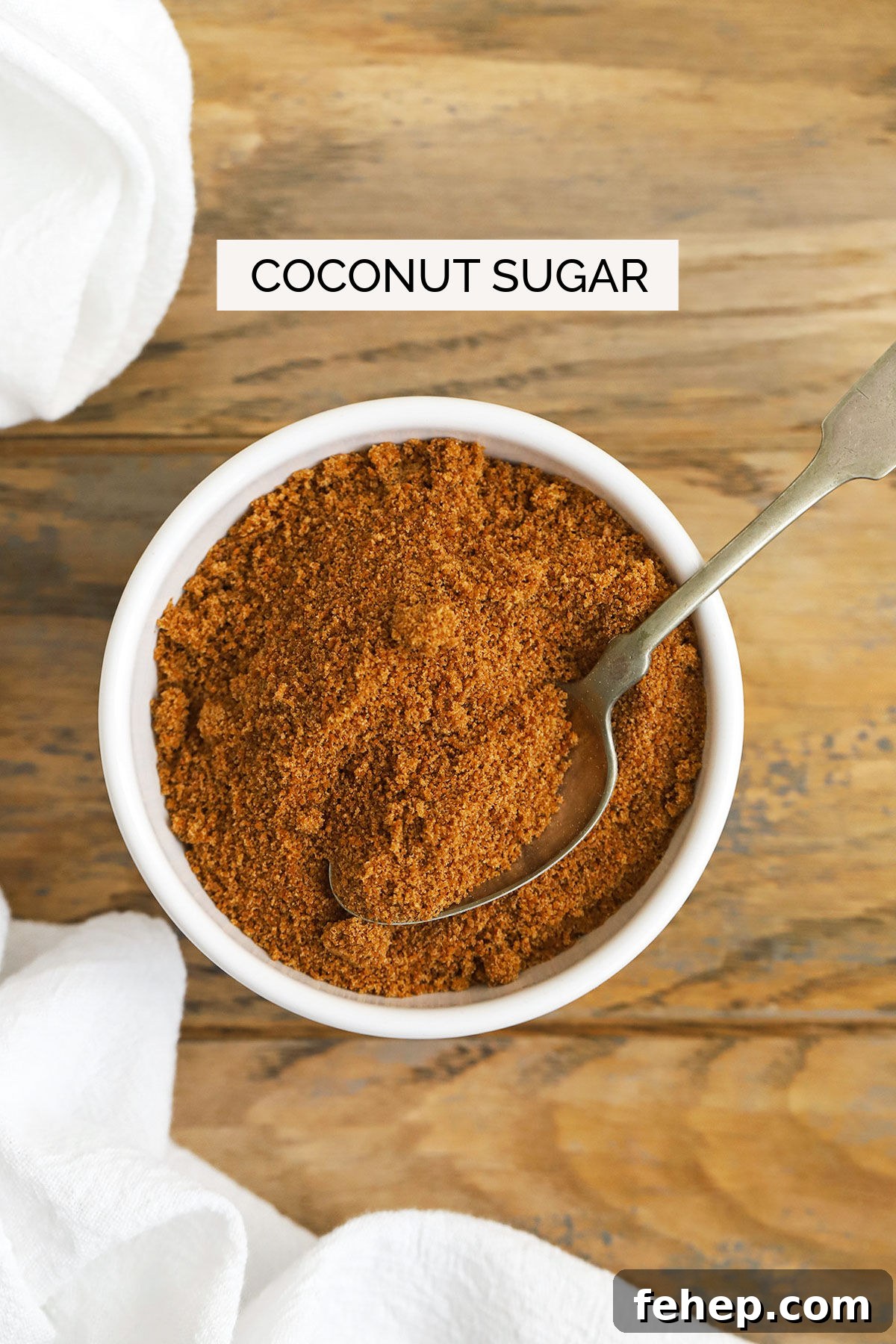
Coconut sugar is made from crystallized sap of coconut blossoms. It’s often marketed as a lower-glycemic, less-processed sweetener and is popular in paleo and vegan baking. It has a brown color and a mild caramel note but does not taste strongly of coconut.
Keep in mind: Coconut sugar behaves differently from white sugar—baked goods may be darker, moister, and less crisp when it replaces granulated sugar, and achieving a glossy finish can be more difficult. Use it when a recipe is formulated for it or when you want its unique characteristics.
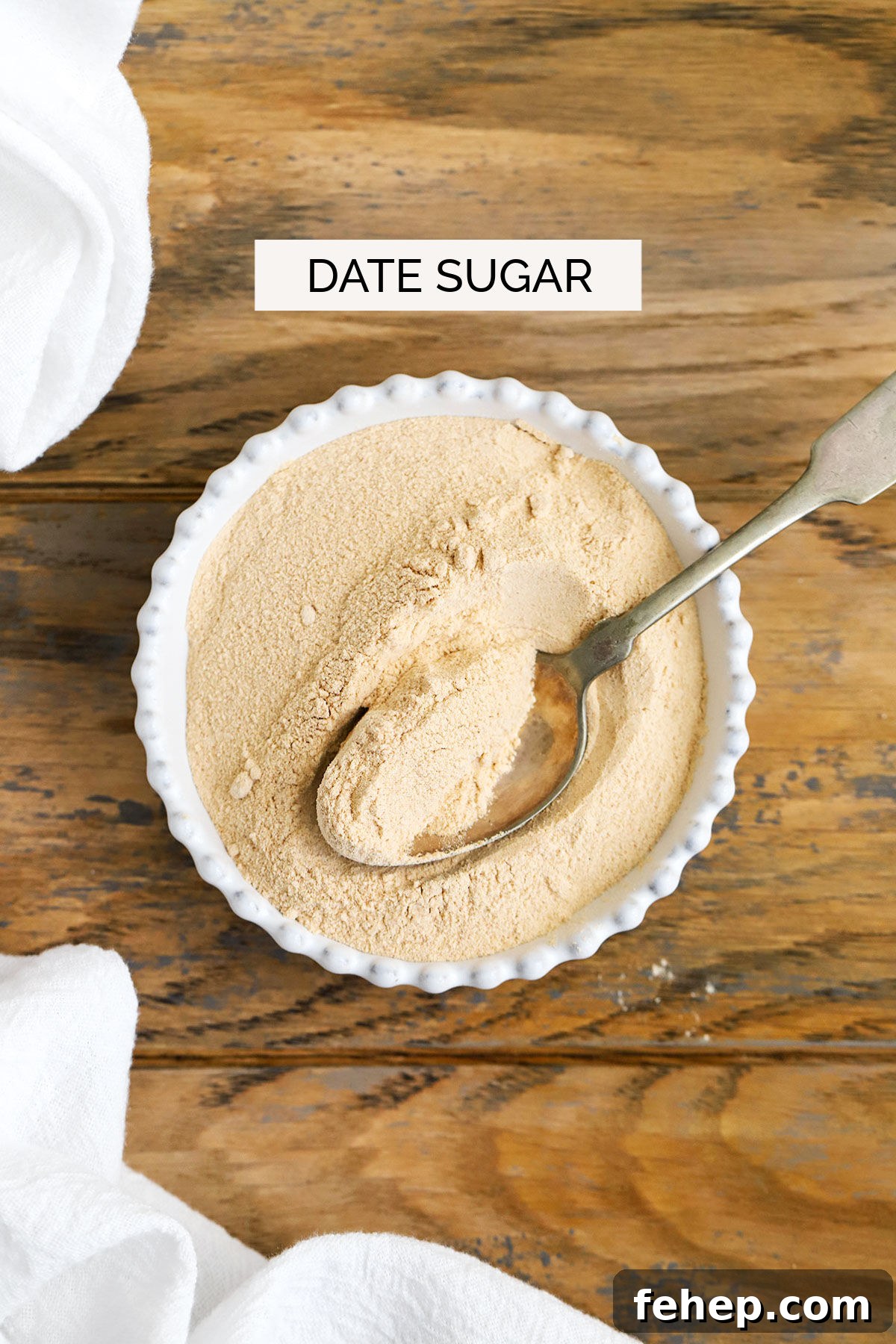
Date Sugar
Date sugar is made from dehydrated, ground dates. It’s a whole-fruit sweetener with a subtle sweetness and some fibrous texture. Date sugar won’t melt like refined sugar and can clump, so it’s best used in recipes specifically formulated for it or in small amounts within healthier dessert recipes.
Good to know: Because it contains the fruit’s fiber, date sugar can feel slightly gritty and does not dissolve, so it’s not a direct 1:1 substitute for white or brown sugar.
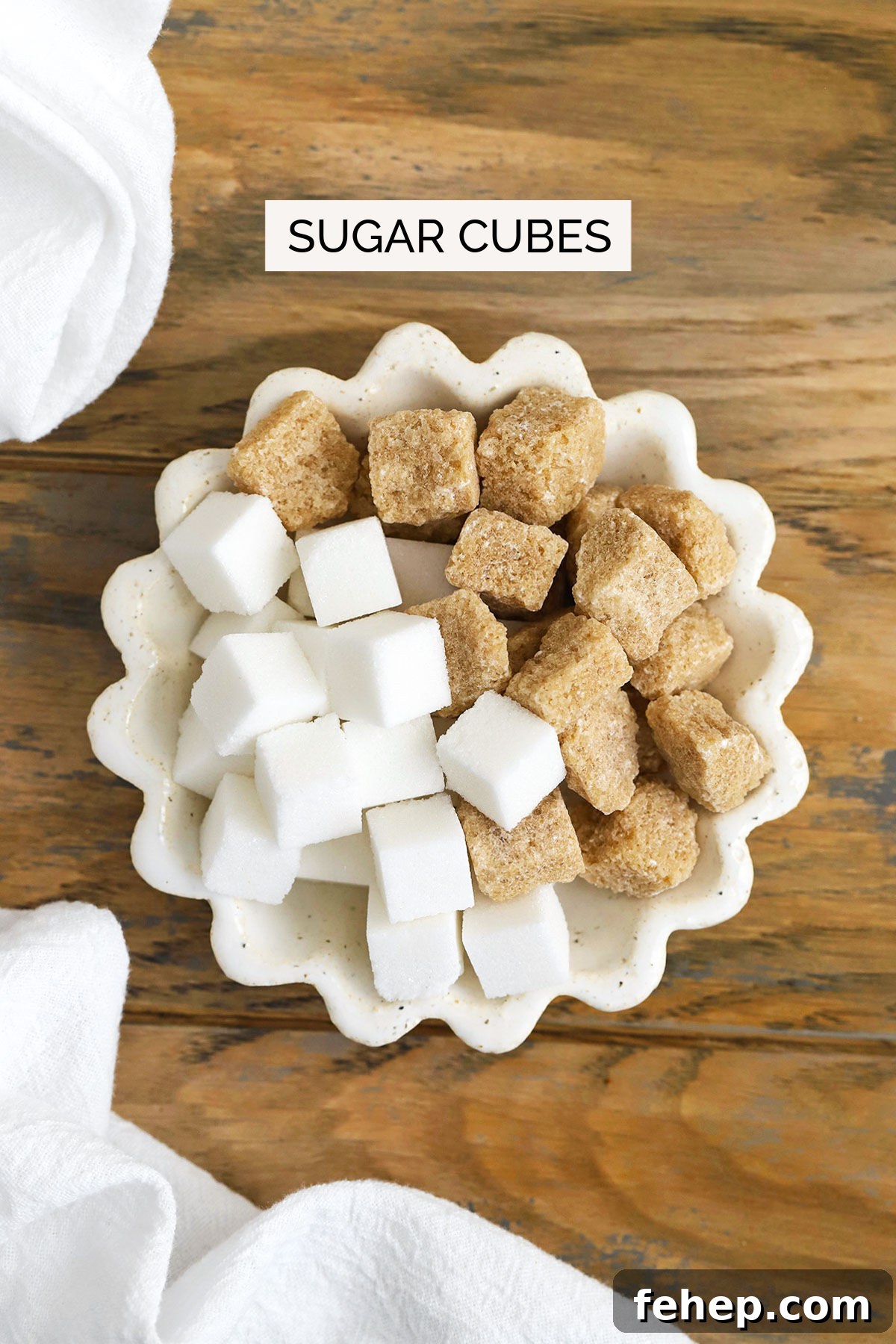
Bonus Type: Sugar Cubes!
Sugar cubes are compacted blocks of sugar made from various sugar types, commonly white cane sugar or coarser sugars like demerara. They are used to sweeten hot drinks or as decorative elements in confections like gingerbread houses. Some cubes are bound with syrup during production, while others may use edible binders.
FAQ + Tips And Tricks For Working With Sugar
How to measure sugar: The most accurate way to measure sugar is with a kitchen scale. If you don’t have one, use the scoop-and-level method for granulated sugar, and pack brown sugar or other moist sugars into the measuring cup to remove air gaps.
Is sugar gluten-free? Yes, pure sugar is gluten-free.
How to store sugar: Minimize air exposure by storing sugar in airtight containers or resealable bags with excess air removed. For brown sugar, a small terra-cotta sugar keeper or a slightly moist item like a slice of bread stored briefly can help preserve softness.
How to soften hard sugar: For hardened brown sugar or other molasses-rich sugars, place a slice of bread or a few mini marshmallows in the container overnight. The sugar will absorb moisture and soften; then discard the bread or marshmallows.
Is sugar a wet or dry ingredient? Sugar is often treated like a wet ingredient in baking because it contains moisture and contributes to a recipe’s texture and spread. Reducing sugar in a recipe can make the finished product drier and crumblier.
TIPS & TRICKS
More Baking tips to help you:
- Essential cookie tools and how to use them
- How to brown butter for deeper flavor
- Three easy ways to separate egg yolks and whites
- How to bring eggs to room temperature quickly
- Correct scoop-and-level technique for measuring dry ingredients
- How to test baking powder and baking soda for freshness
- How to freeze cookie dough and bake from frozen