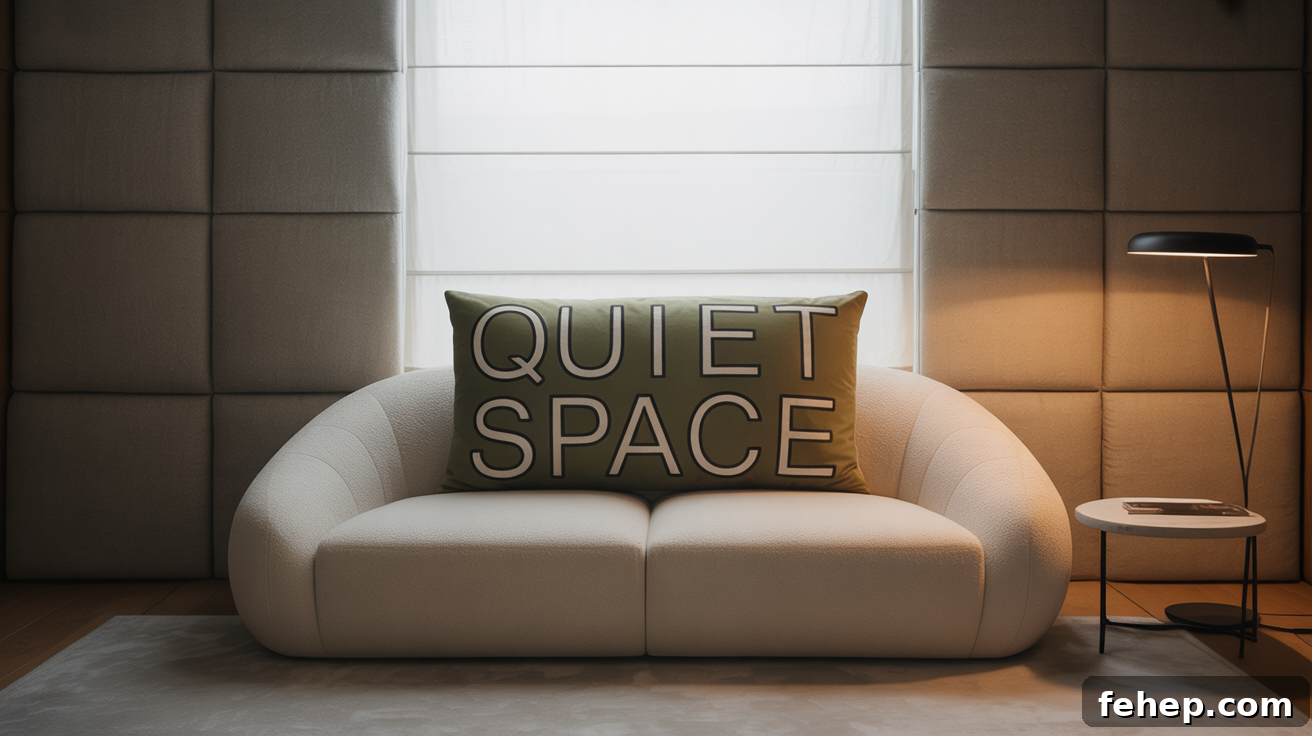
Living in a rental often means contending with unwanted noise: footsteps from upstairs, traffic outside, or a neighbour’s pet keeping you awake. Some sounds are easy to tune out, but others can quickly erode your sense of calm. If you’ve ever stuffed a pillow over your ears or cranked up the TV to drown out noise, you’re not alone.
Soundproofing doesn’t have to mean a full renovation. There are practical, renter-friendly ways to reduce noise and make your apartment feel more like home—whether you work from home or simply want more peace. These solutions won’t jeopardize your security deposit when done thoughtfully. Below are realistic strategies that have impact without major alterations.
Importance of a Quiet Living Space in Rentals
A quiet living space is more than a luxury—it’s important for health and wellbeing, especially in rental and shared housing. Home should be the place where you recharge, sleep well, and focus without distraction. Noise from neighbours, traffic, or shared common areas can disrupt sleep, concentration, and overall comfort. For people who work or study from home, a calm environment is essential for productivity and mental clarity.
Because renters often can’t make structural changes, it’s important to explore creative, noninvasive ways to reduce noise. Communicating with your property manager about what’s allowed and asking for renter-friendly recommendations can also help you create a quieter home without risking lease violations.
Communicate with Your Property Manager Before Making Changes

Lease Compliance
Even small modifications—like door sweeps or heavy curtains—can be subject to lease rules. Before installing anything that might affect walls, floors, or fixtures, check your lease and ask your property manager. What’s acceptable in one building may be prohibited in another. Using adhesive strips or drilling holes can sometimes violate lease terms, so it’s best to confirm permissions first.
Asking ahead protects your deposit and avoids disputes later. Property managers often welcome reversible, non-damaging upgrades. A quick email or text describing your plan usually resolves the issue quickly and increases the likelihood of approval.
Avoid Deposit Deductions
DIY fixes can be tempting when noise becomes unbearable, but unauthorized changes can lead to unexpected deductions from your security deposit. Hanging heavy curtains, taping panels, or attaching materials to walls can cause damage or be against lease terms. Notifying your property manager before making changes prevents surprises.
Keep records of noise disturbances and any communications with management. Documenting problems related to quiet enjoyment can support requests for landlord intervention or for permission to implement specific solutions. Clear communication from the start helps protect your deposit and maintain a good tenant-landlord relationship.
Landlord-Approved Ways to Soundproof Your Apartment
Use Non-Damaging Materials
Choose soundproofing materials that won’t leave permanent marks. Temporary, removable, or damage-free solutions are ideal for rentals. Examples include peel-and-stick acoustic panels designed to come off cleanly, fabric wall hangings, door draft stoppers, and area rugs. Rearranging furniture—placing upholstered sofas or bookcases against shared walls—can also reduce noise without altering the property.
Blackout or thermal curtains help reduce both light and some outside noise. The goal is to minimize sound while keeping the space intact and compliant with lease rules. With the right products, you can improve comfort without sacrificing your deposit.
Focus on Windows and Doors
Windows and doors are common entry points for noise. Weatherstripping gaps around doors and frames is an inexpensive, reversible way to reduce sound leakage. Thick, noise-dampening curtains over windows make a noticeable difference—especially on busy streets. Draft stoppers at the base of doors help block both sound and cold air.
If windows rattle or don’t seal well, discuss repairs with your property manager; they may be willing to address the issue. Small fixes like these won’t fully soundproof a unit but can significantly lower ambient noise without breaching lease terms.
Try Furniture to Absorb Sound
Furniture and soft surfaces are effective, unobtrusive sound absorbers. Bookshelves filled with books, thick area rugs, upholstered sofas, and fabric wall hangings all reduce echo and soften incoming noise. Positioning bulky items against shared walls increases sound absorption.
Think strategically about fabrics and textures: rugs, curtains, tapestries, and cushions all contribute to a quieter, cozier space. These adjustments are simple, reversible, and often the most cost-effective way to improve acoustics in a rental.
Conclusion
A quieter apartment is achievable even without renovations. With creativity and a focus on non-damaging solutions—rearranging furniture, adding rugs and curtains, sealing gaps around doors and windows—you can reduce noise and improve comfort while protecting your security deposit. Communicate with your property manager, document any persistent disturbances, and choose reversible materials. Small, thoughtful changes can make a big difference in how peaceful your rental feels.