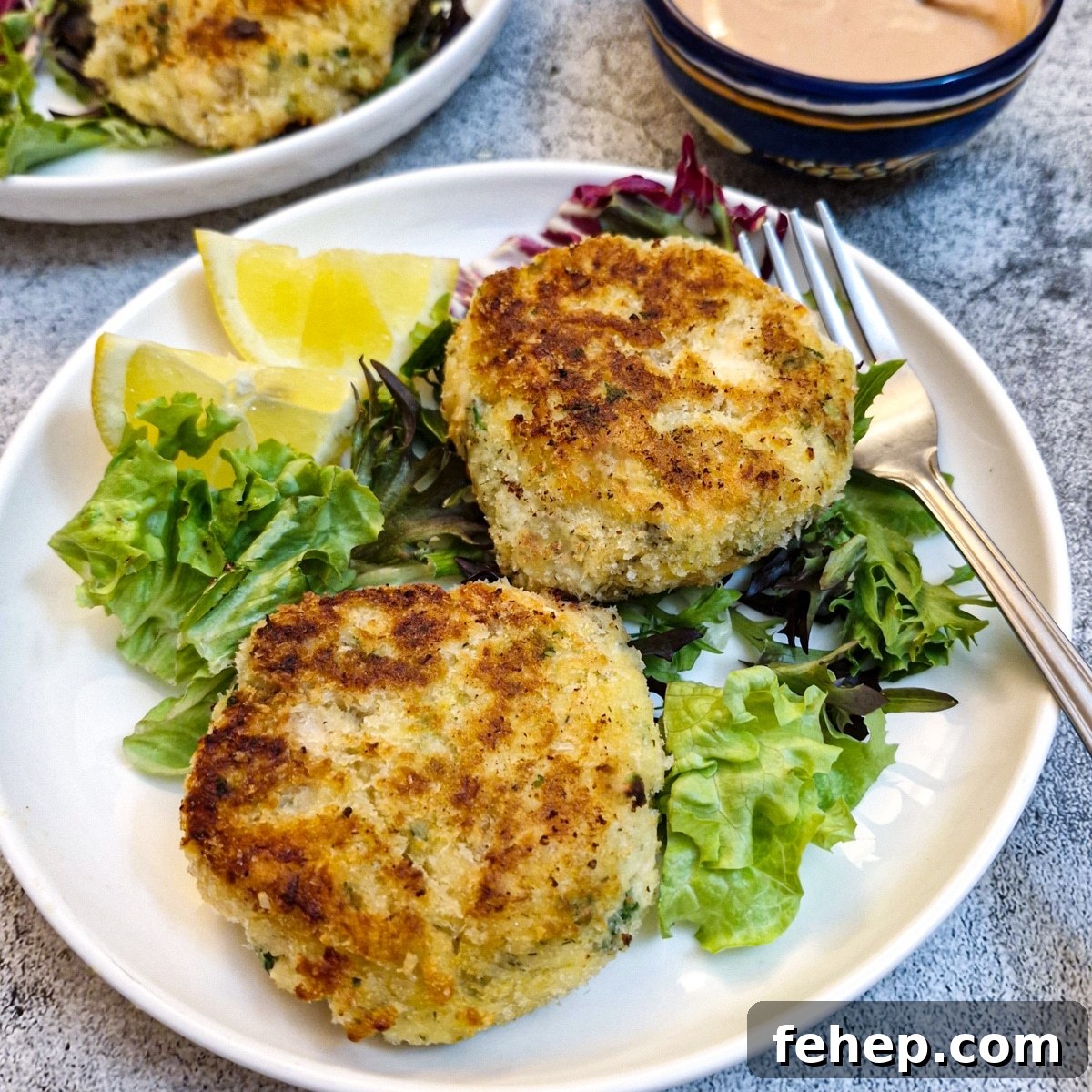
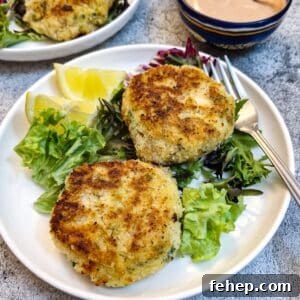
These easy salmon fishcakes combine gently poached salmon with freshly mashed potatoes, coated in crisp breadcrumbs. They’re quick to prepare, and if you’re pressed for time you can use tinned salmon and leftover mash with equally good results.
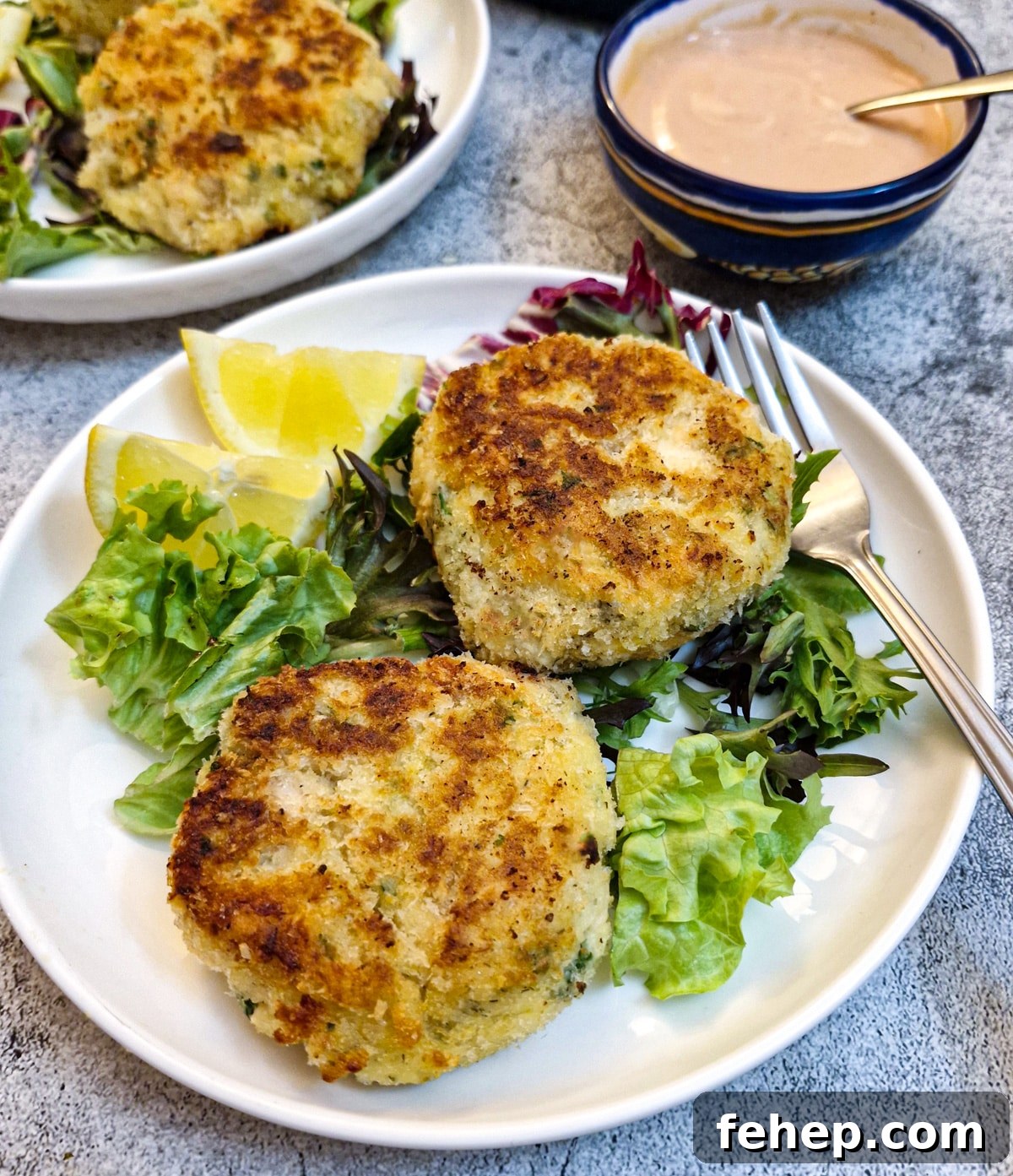
Homemade fishcakes make a comforting supper. The contrast of flaky salmon and creamy mashed potato is always a winner, and the breadcrumb coating adds a satisfying crunch.
This recipe is similar to my other fishcake post but includes parsley and dill, which complement salmon beautifully. Use fresh herbs where possible for the best flavour.
I poach salmon fillets in milk and mix them with freshly mashed potatoes. If you prefer, you can substitute tinned salmon and leftover mash to save time.
Coating the patties in flour, egg and breadcrumbs can get messy. I share a simple pastry-brush trick below to keep your fingers cleaner while you coat each fishcake.
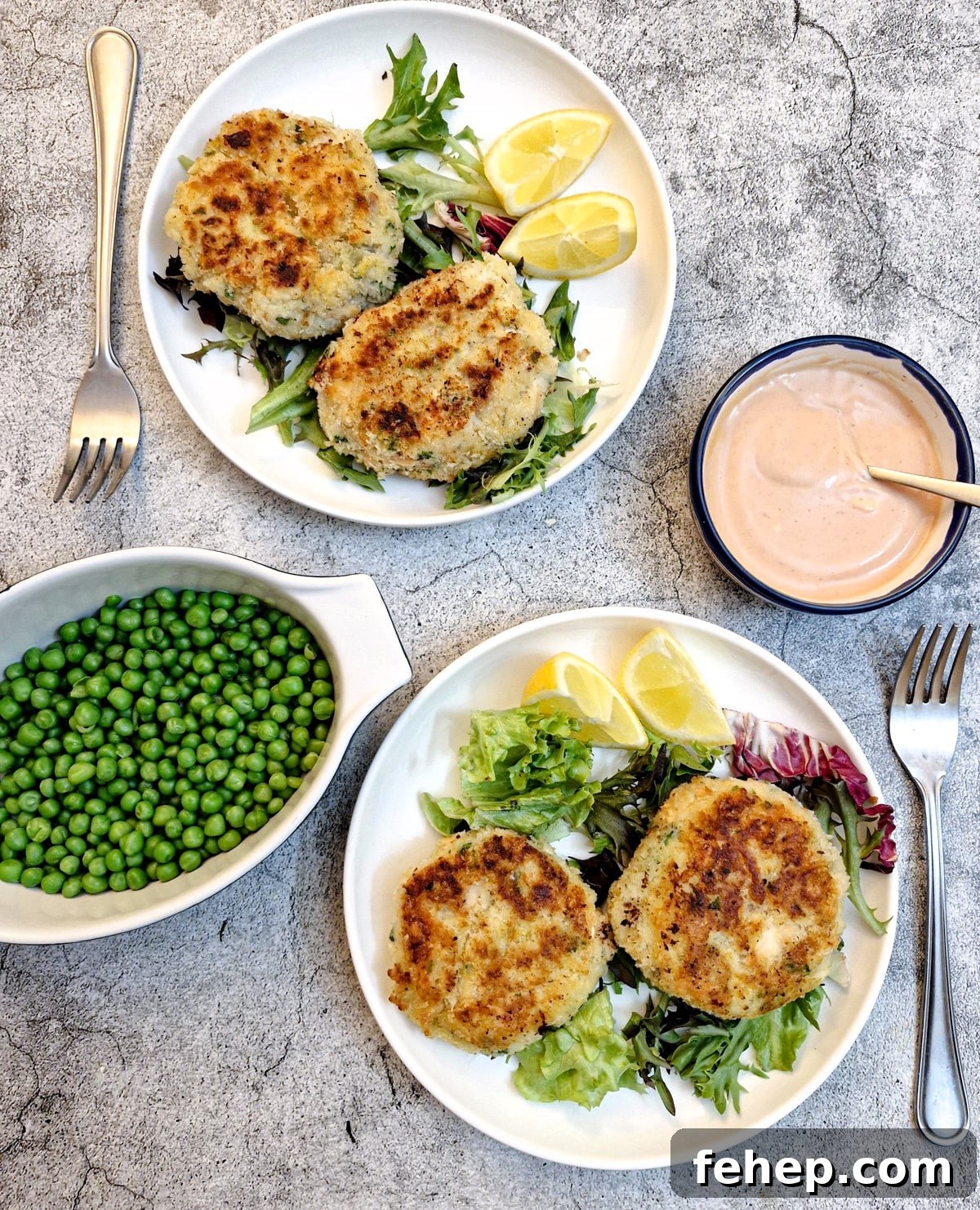
Because these cakes already contain potatoes, I don’t recommend serving them with chips. Minted smashed peas and a crisp green salad are perfect accompaniments, and I include a quick tangy seafood sauce recipe further down.
Let’s get started with the recipe.
Ingredients
This recipe yields 8 salmon cakes.
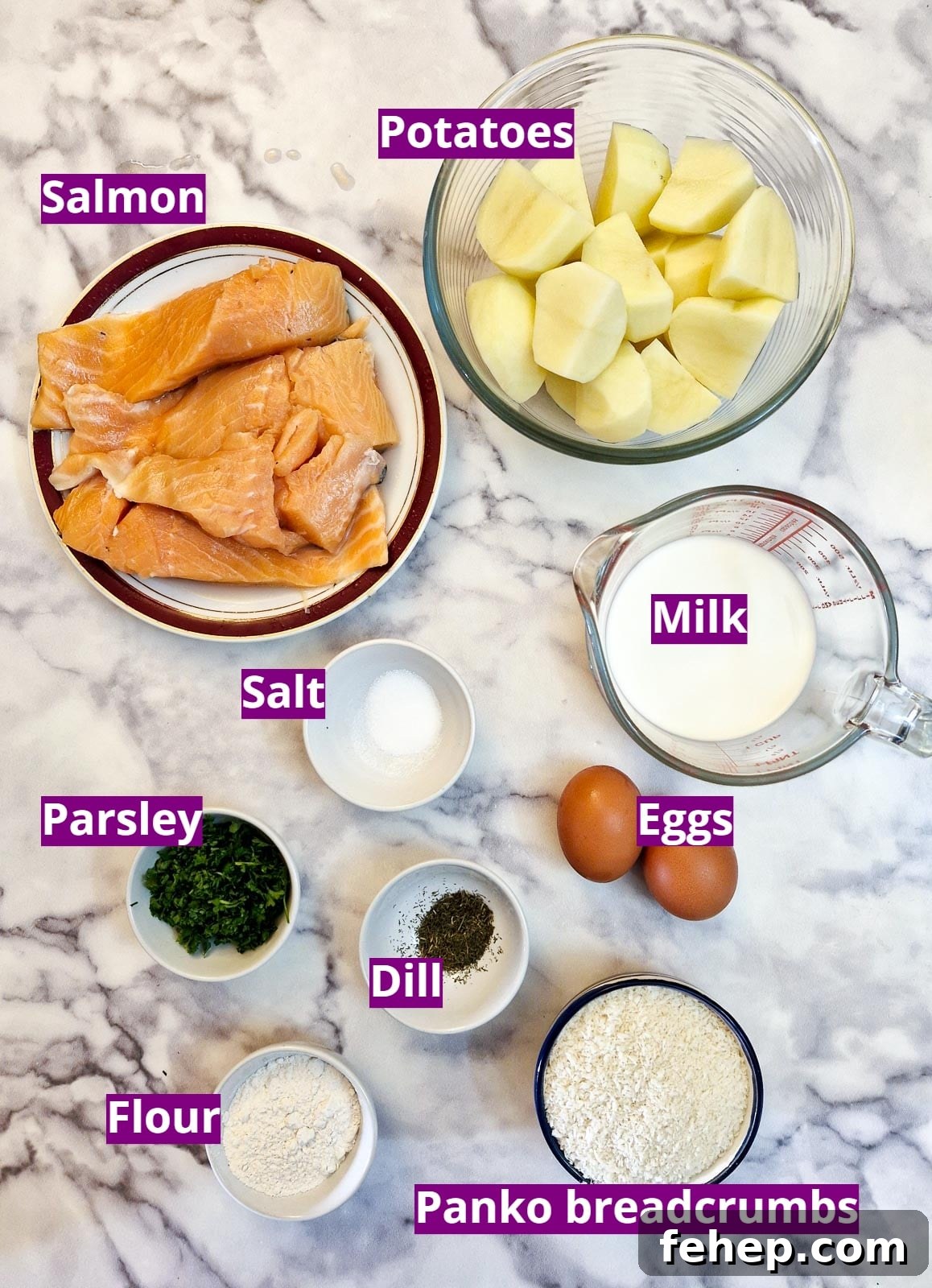
You can find exact measurements in the printable recipe card at the end of this post.
- Salmon – fresh fillets poached in milk (or use tinned salmon).
- Milk – for poaching the salmon (not needed if using tinned fish).
- Potatoes – use a variety suitable for mashing (Maris Piper or similar). If making fresh mash, add a knob of butter and a splash of milk.
- Eggs – used for binding the mixture and for coating.
- Flour – lightly seasoned with salt for coating.
- Panko breadcrumbs – extra crispy; you can use fresh breadcrumbs but toast them briefly first for crunch.
- Parsley – use fresh chopped parsley for the best flavour; spring onions can substitute if needed.
- Dill – dried or fresh (use about three times more fresh dill than dried).
- Sunflower oil – for frying.
Instructions
Overview of steps:
- Poach the salmon and allow it to cool.
- Boil and mash the potatoes.
- Combine, form and coat the fishcakes.
- Chill the patties for 30 minutes to firm up.
- Fry until golden and heated through.
Detailed steps:
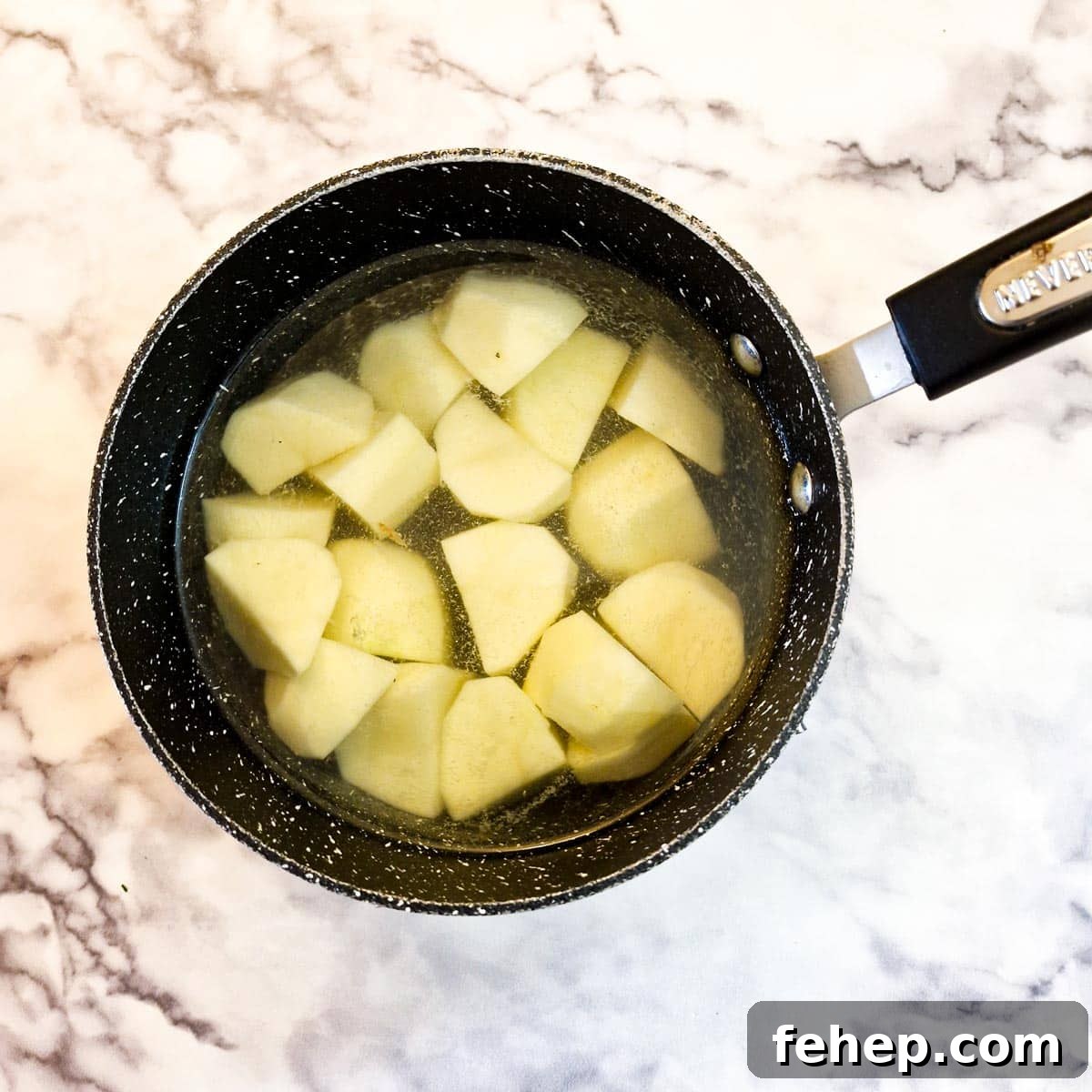
Peel the potatoes and cut them into large chunks. Place them in a pan of cold, lightly salted water and bring to the boil. Cover and simmer for about 10 minutes or until tender. Drain, then mash with a knob of butter and a splash of milk.
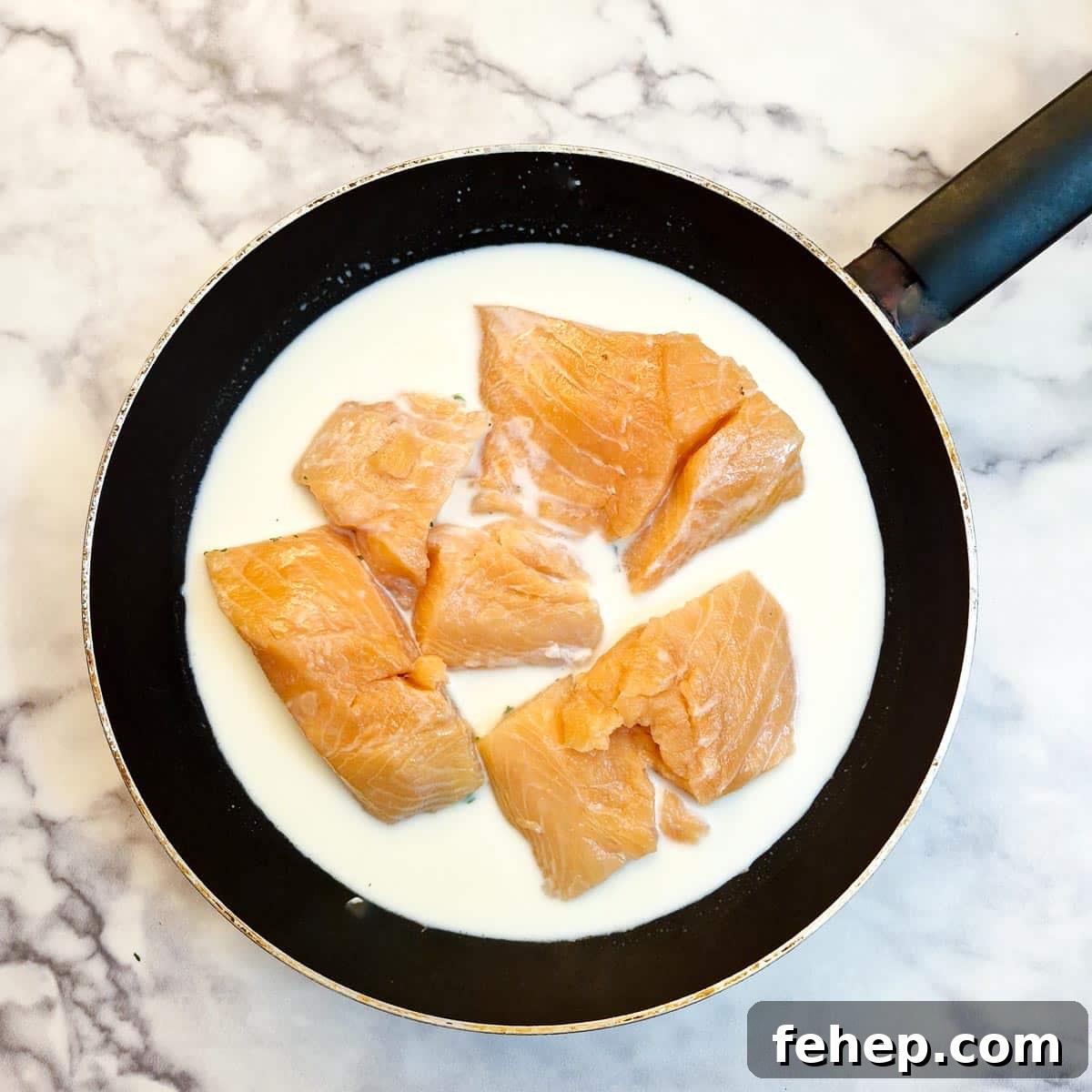
Place salmon fillets skin-side down in milk in a frying pan over moderate heat. Simmer gently for about 5 minutes, turn carefully with a spatula and continue cooking until the fish flakes, about 3–5 more minutes depending on thickness. Remove and allow to cool.
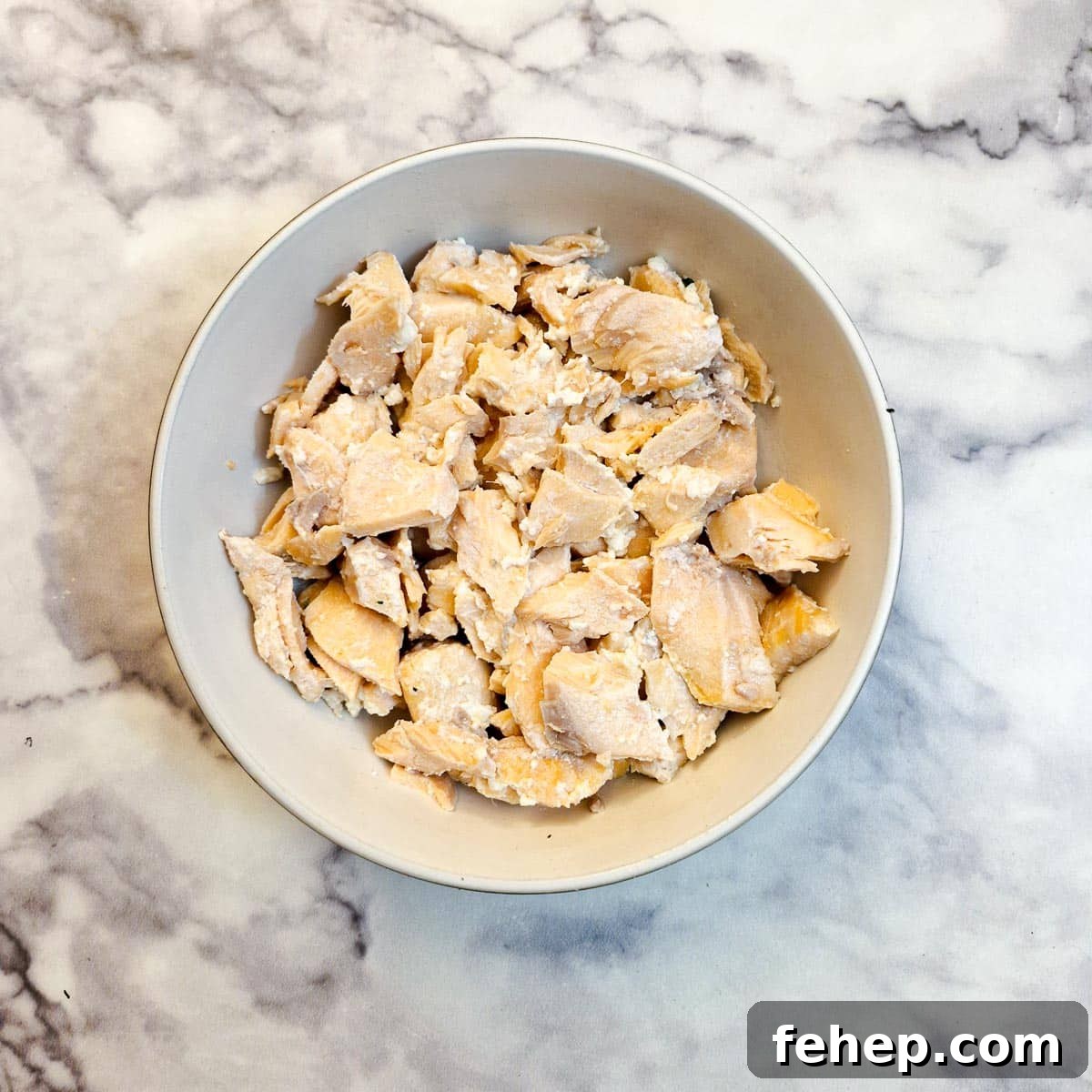
Once cool enough to handle, remove and discard the skin, then flake the salmon with a fork.
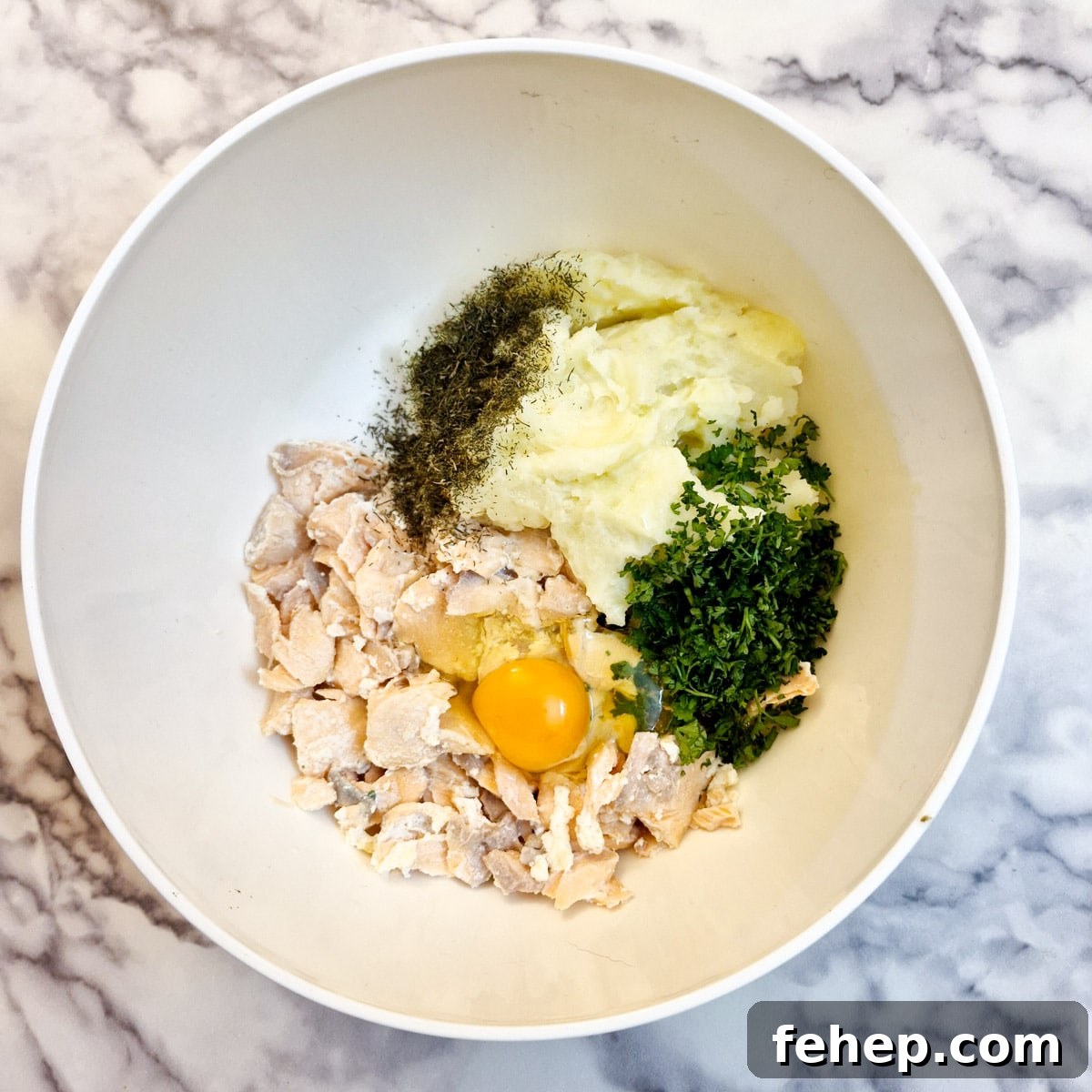
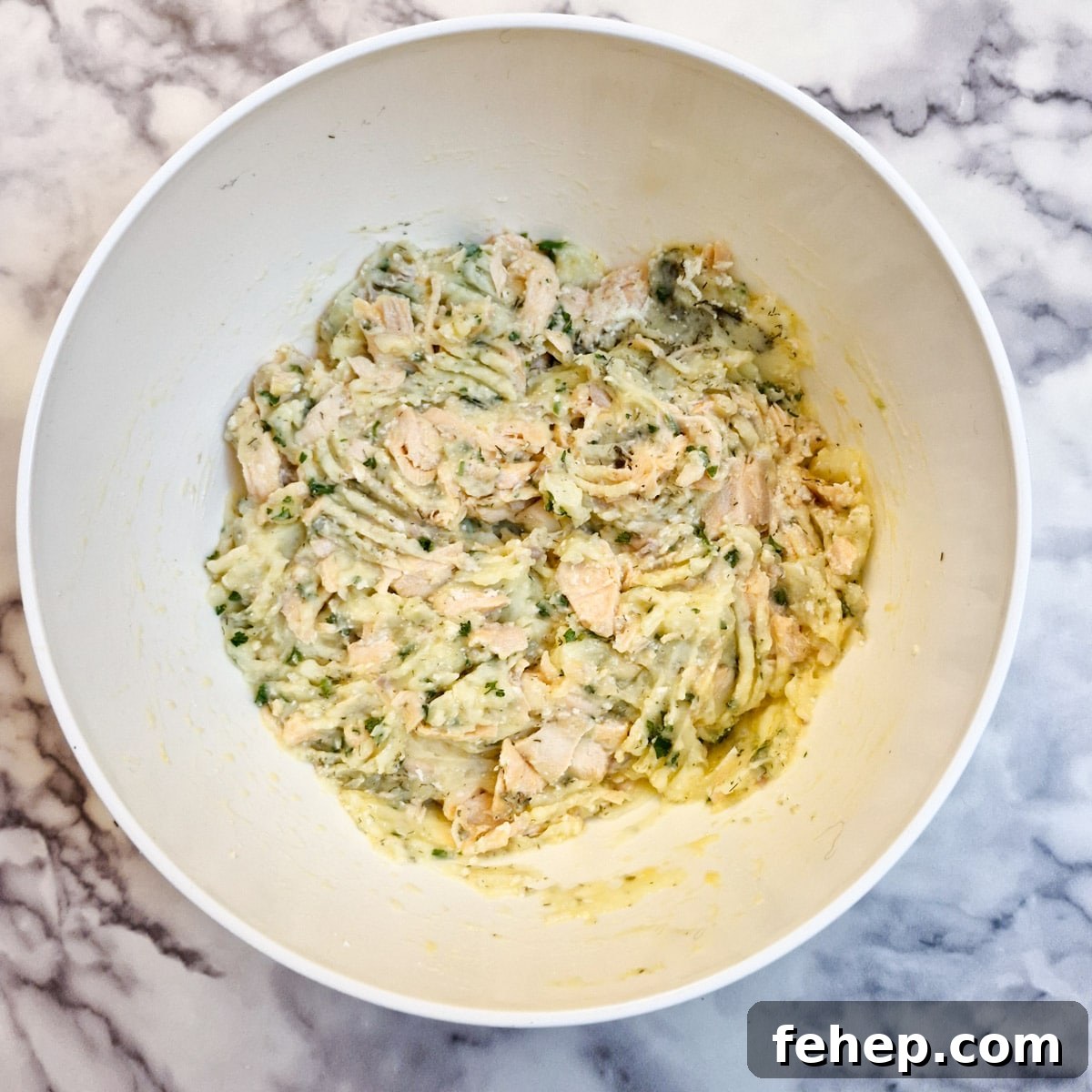
Place the mashed potatoes and flaked salmon in a mixing bowl. Add chopped parsley, dill and one egg, then season lightly with salt. Mix gently with a fork, trying to keep some salmon flakes intact for texture.
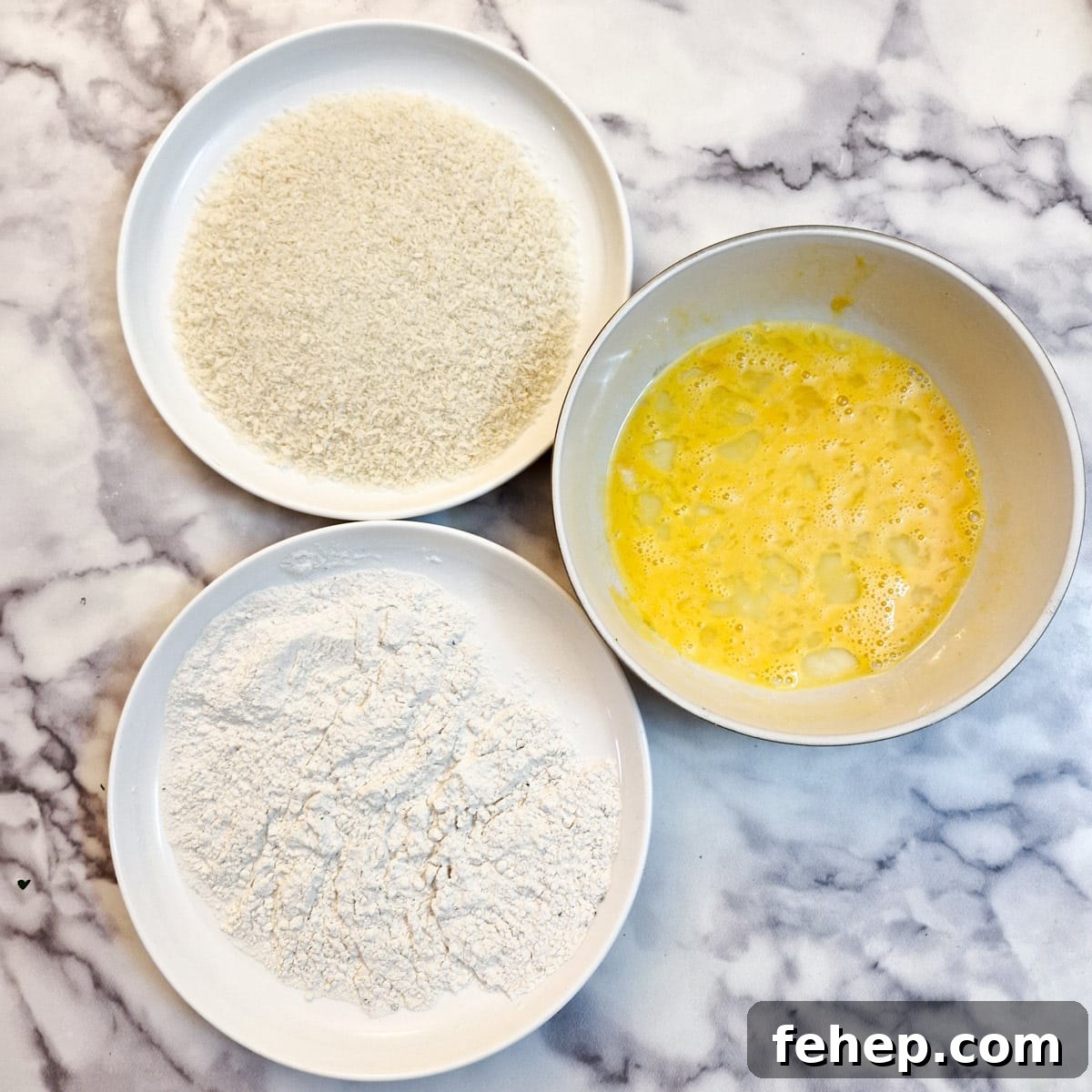
Prepare three shallow bowls: seasoned flour, beaten egg, and panko breadcrumbs.
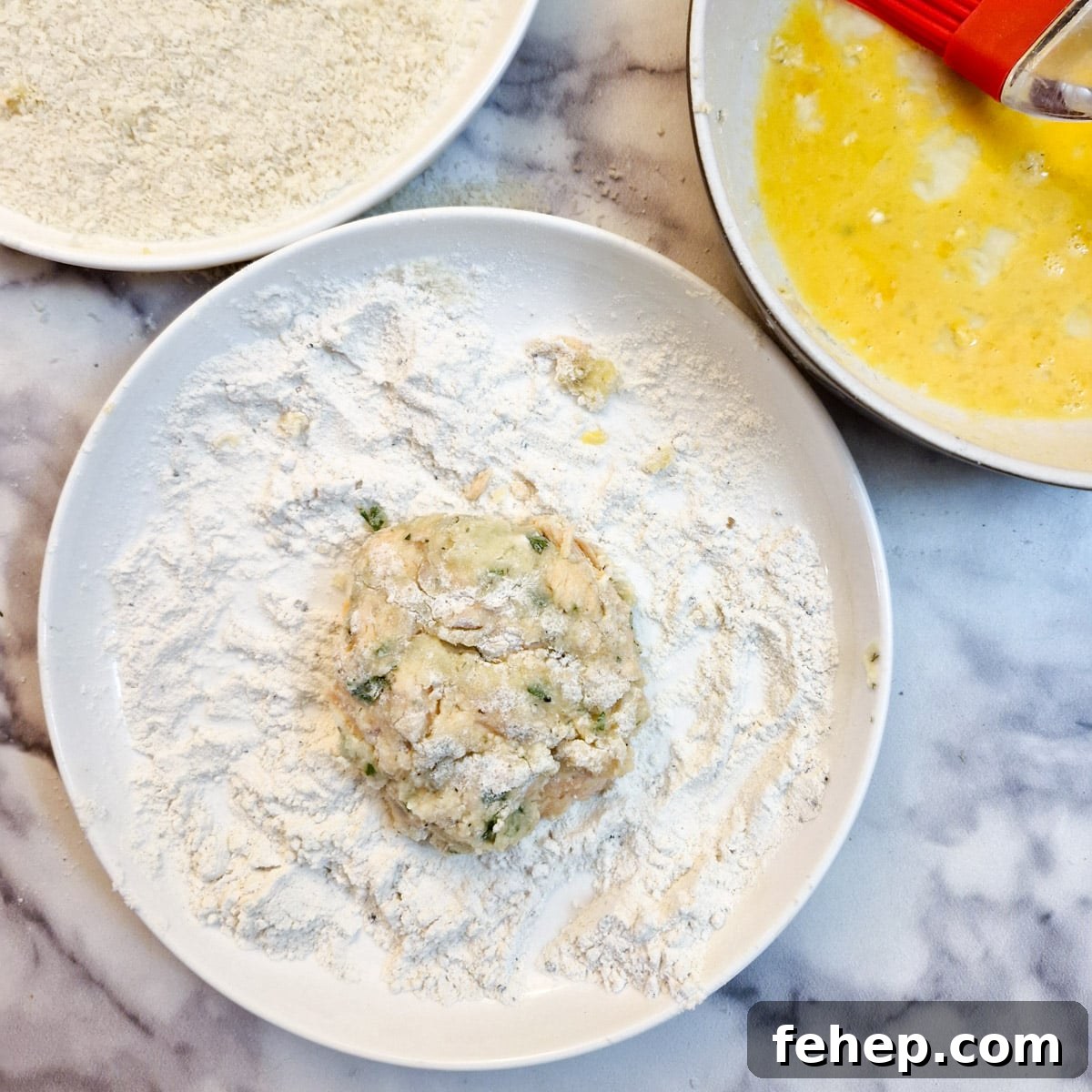
Take a tennis-ball-sized portion of the mixture, cup it in your hands, press gently and flatten slightly. Dredge in the seasoned flour.
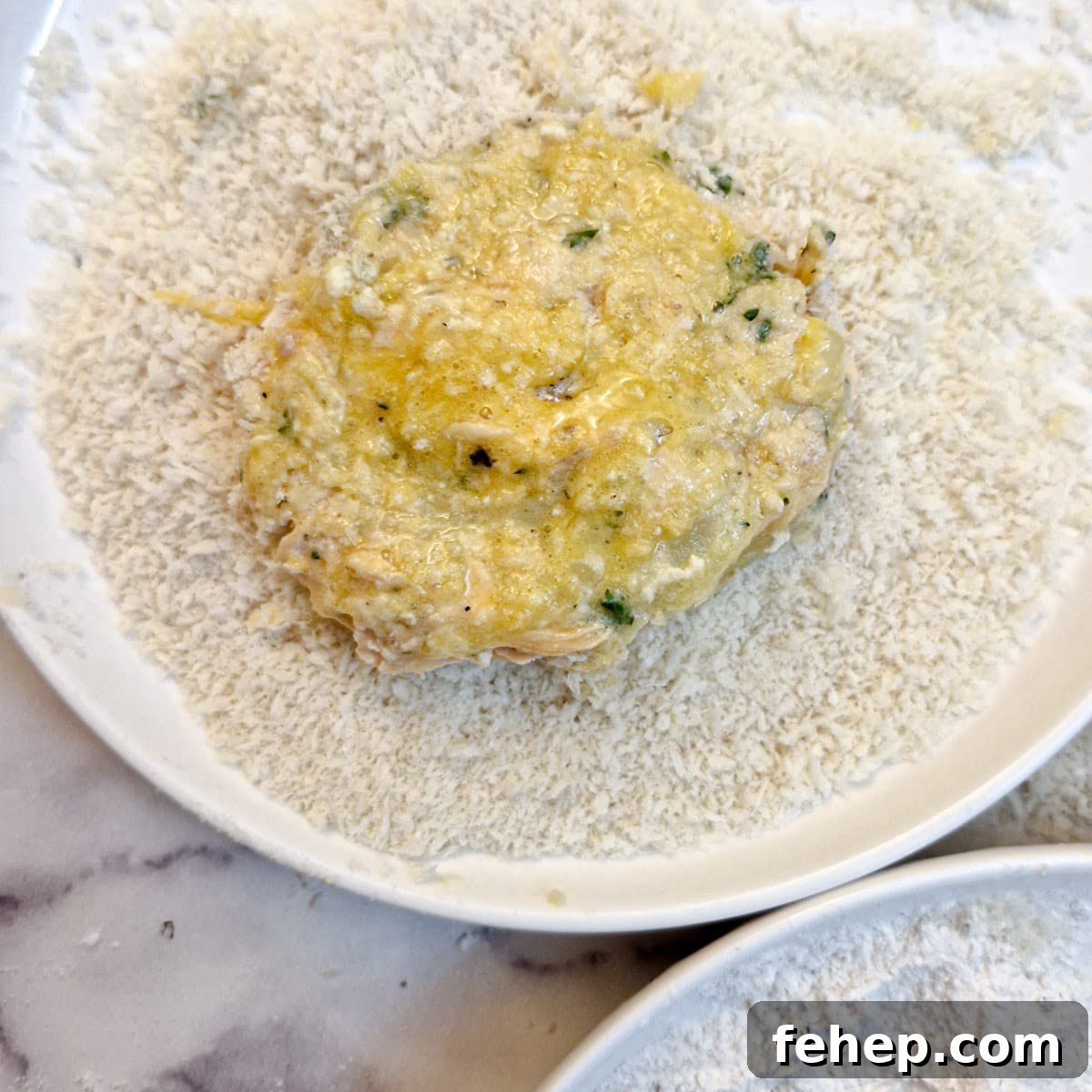
To keep your hands cleaner: hold the floured patty in one hand and brush the exposed side with beaten egg. Place the egged side down into the breadcrumbs, then brush the other side with egg and press the crumbs on with your dry hand. Repeat for all patties.
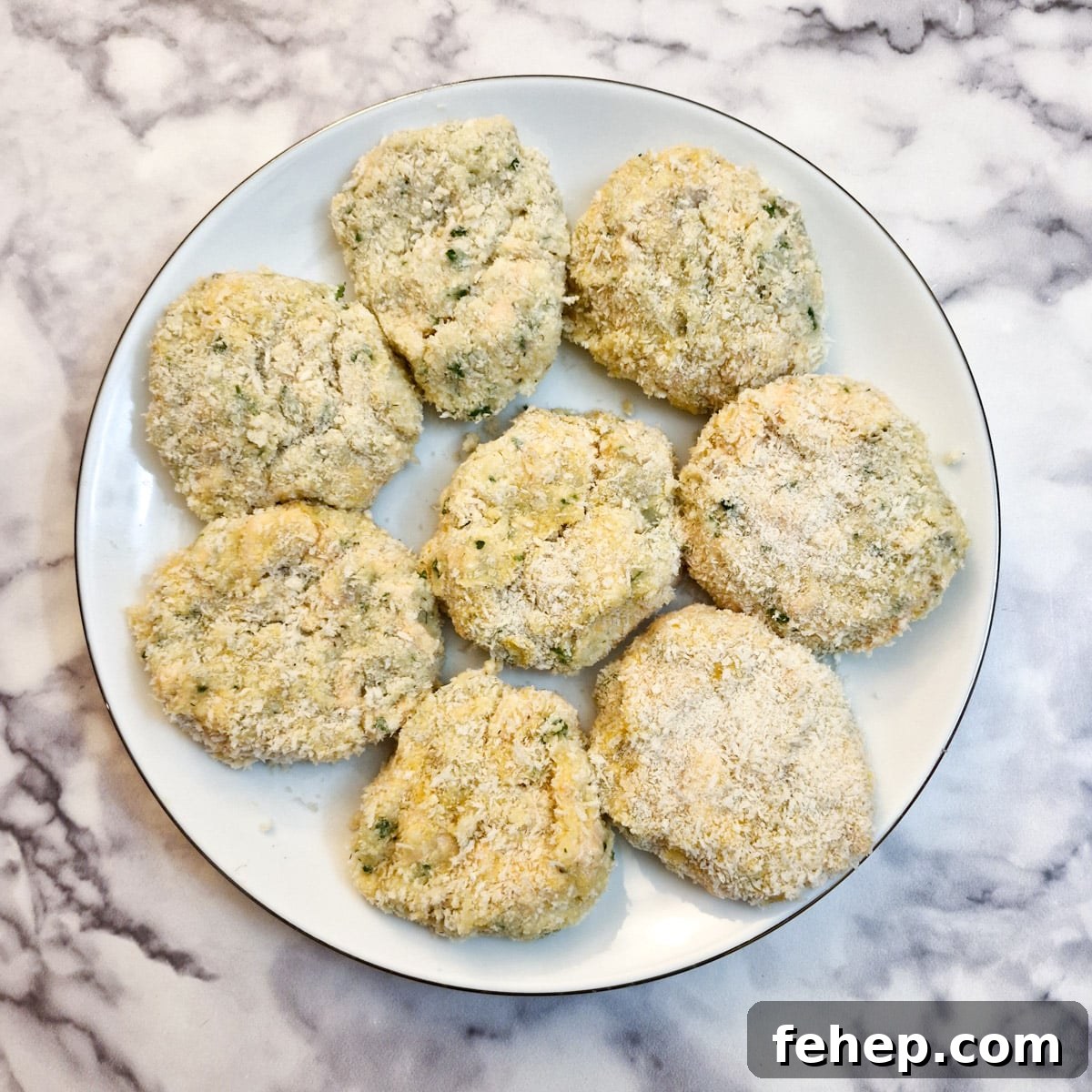
Place the coated patties on a large plate, cover and chill in the refrigerator for 30 minutes to firm up.
Fry the fishcakes
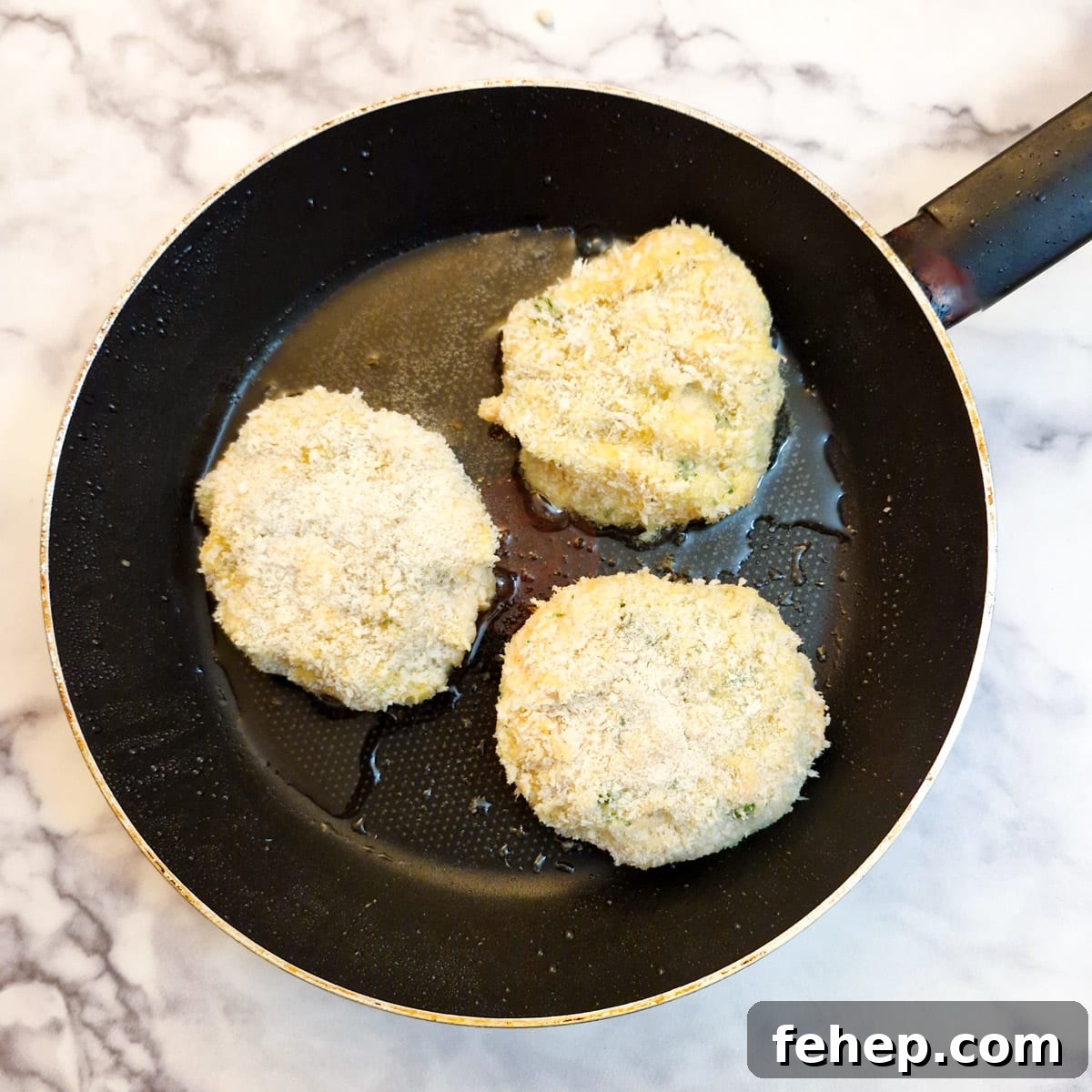
Heat sunflower oil in a frying pan over low to moderate heat. Add a few fishcakes without overcrowding and fry gently for 4–5 minutes until golden on the underside.
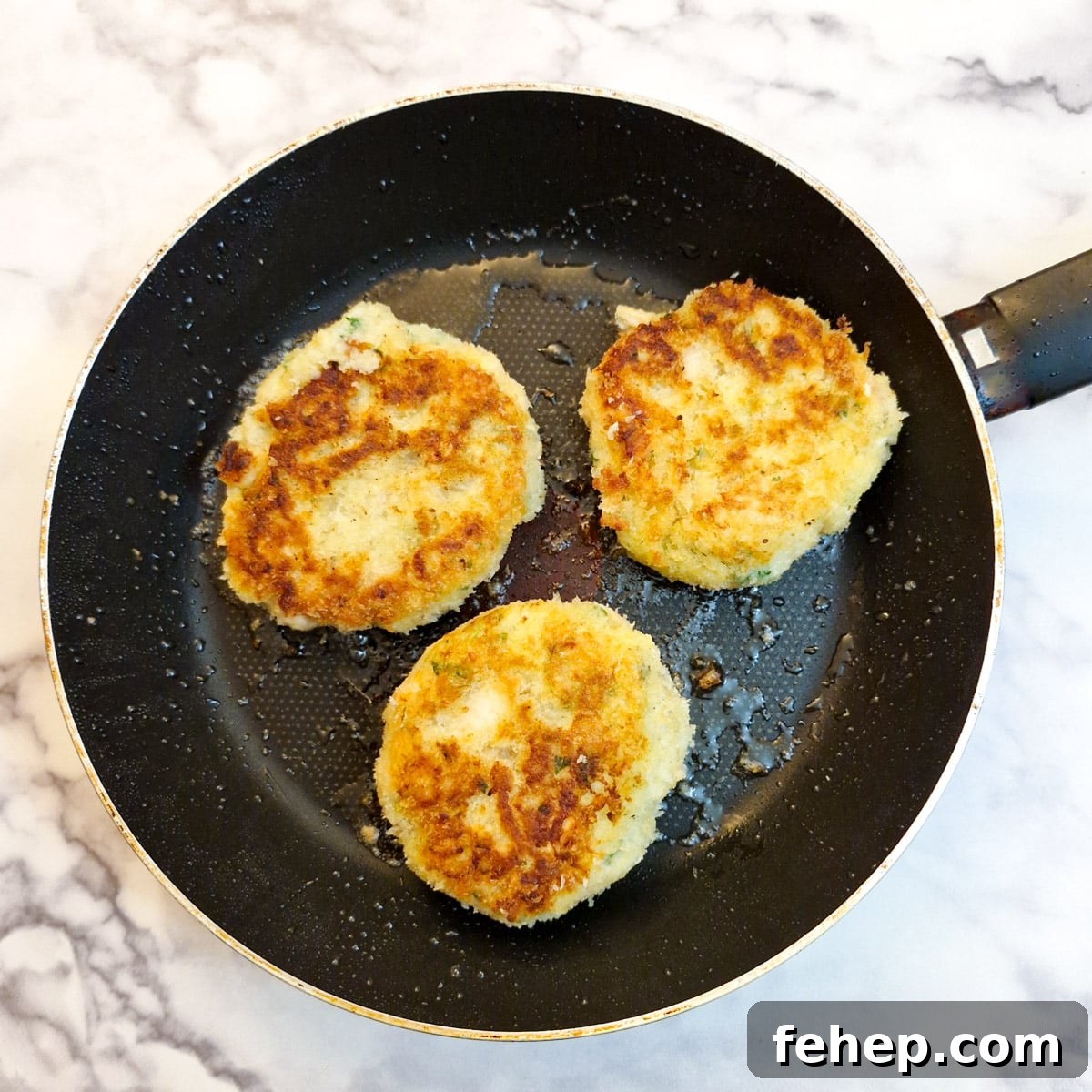
Turn with a spatula and cook the other side for a further 4–5 minutes until browned and cooked through. Repeat with remaining batches, adding a splash more oil if needed. Keep cooked fishcakes warm in a low oven while you finish the rest.
Tips for a perfect result
Key tips to ensure success:
- Check fresh fillets for small bones before cooking.
- Chilling the mixed filling for 30 minutes before shaping can make forming patties easier.
- Always refrigerate formed patties before frying so they hold together.
- Use the pastry-brush method when coating to reduce mess and get an even crumb layer.
- Fry on moderate heat so the centre cooks through without the crust burning; don’t turn before 4 minutes.
- Avoid overcrowding the pan to make turning easier and to maintain even browning.
Tangy seafood sauce
A quick sauce to serve alongside the fishcakes:
Combine in a small bowl:
- 1 tablespoon tomato ketchup
- 2 tablespoons mayonnaise
- ½ teaspoon Tabasco (adjust to taste)
Refrigerate until ready to serve. For a larger batch, keep the ratio of one part ketchup to two parts mayonnaise and add Tabasco gradually.
Store in a sealed jar in the fridge for as long as you would normally keep mayonnaise-based sauces.
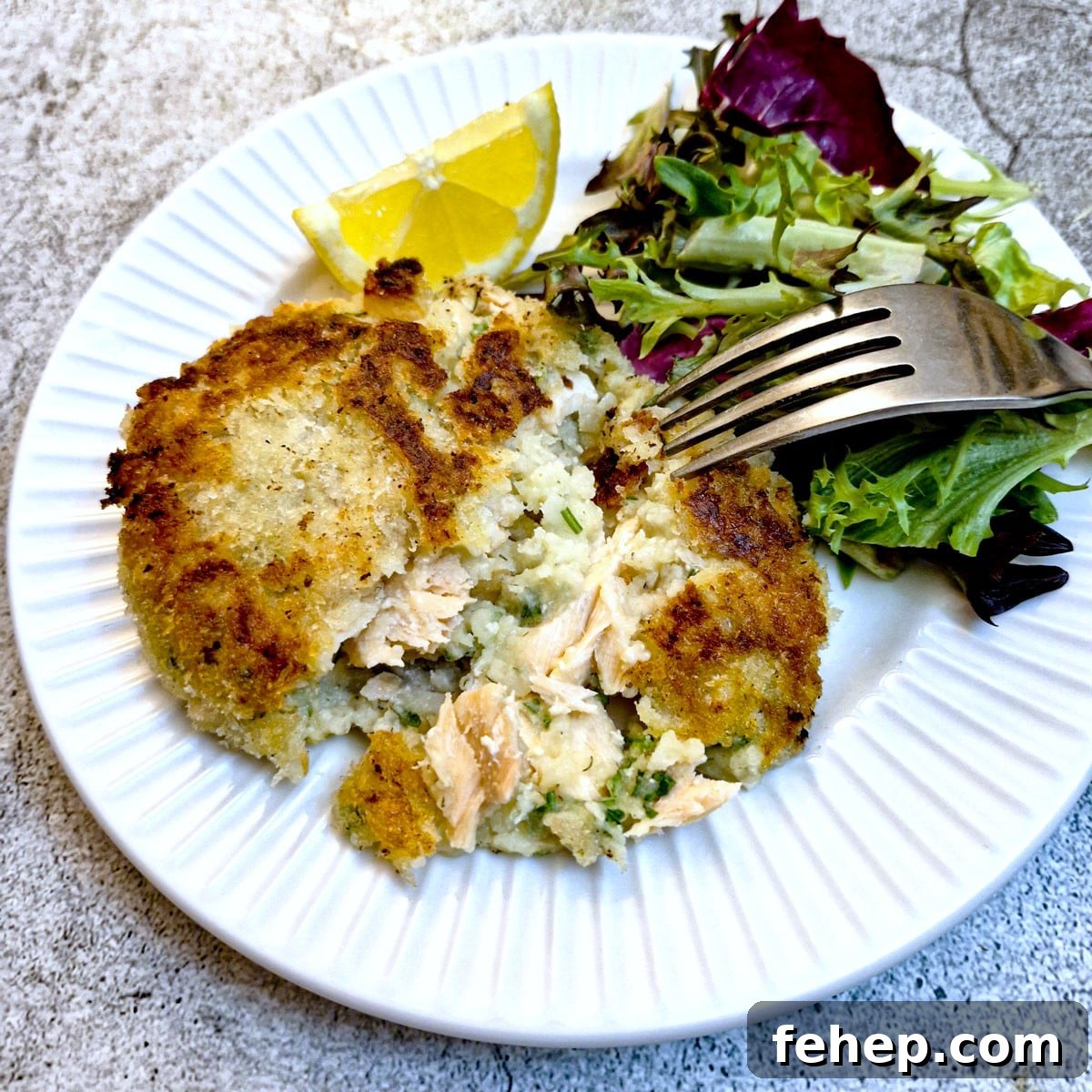
Equipment
Main items required:
- Saucepan for potatoes
- Frying pan for poaching and frying
- Mixing bowl
- Three flat dishes or shallow bowls for coatings
- Spatula
Storage
You can freeze the fishcakes either before or after frying.
To freeze uncooked: place patties on a baking tray and open-freeze until solid, then transfer to a freezer container for up to 2 months. Thaw before frying.
To freeze cooked: cool completely, layer with baking parchment in a container and freeze for up to 2 months. Reheat from frozen in a hot oven (200°C / 400°F) for about 10 minutes.
Leftovers – refrigerate in a covered container for up to 3 days and reheat in a hot oven for 5–6 minutes.
Save for later
If you’d like to save this recipe, use your preferred bookmarking method so you can find it easily.
Related recipes
A few other salmon dishes you might enjoy:
-
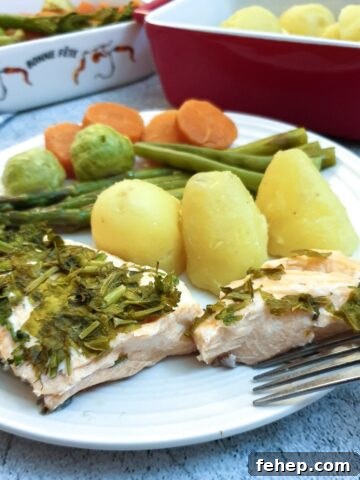
Herb butter salmon and asparagus parcels with lemon
-
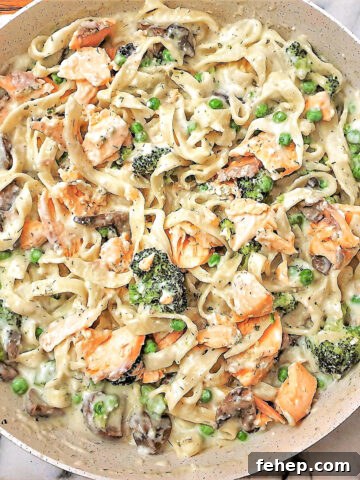
Salmon and broccoli pasta in a creamy dill sauce
-
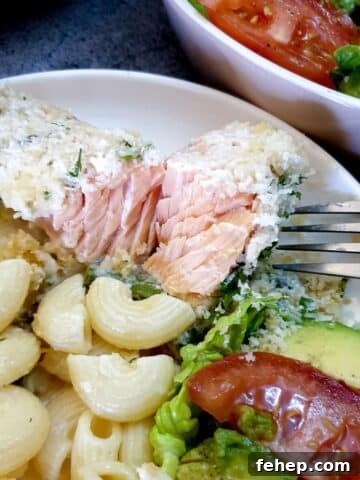
Salmon and asparagus gratin with buttered noodles
-
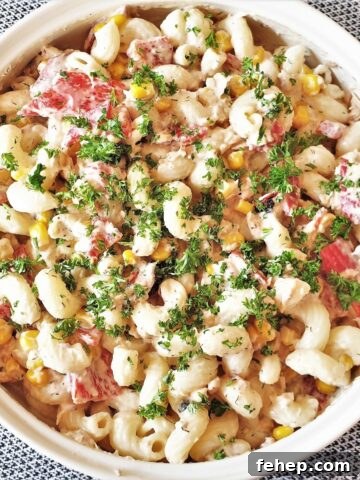
Salmon and red pepper pasta salad with corn
The recipe
Easy salmon fishcakes
Equipment
- Saucepan
- Frying pan
- Mixing bowl
- Three flat plates or dishes
- Spatula
Ingredients
- 1 lb / 450 g fresh salmon fillets (or tinned salmon)
- 1 lb / 450 g potatoes (about 2 cups mashed)
- 2 tsp butter (optional, for mashing)
- ½ cup / 120 ml milk (for poaching)
- 1 tsp salt (for boiling potatoes)
- 2 tbsp chopped fresh parsley
- 1 tsp dried dill
- 1 small egg (for the mixture)
- 3–4 tbsp sunflower oil for frying
Coating
- 2–3 tbsp flour
- ½ tsp salt
- 1 large egg (beaten)
- 1 cup / 60 g Panko breadcrumbs
Bonus recipe – seafood sauce
- 1 tbsp tomato ketchup
- 2 tbsp mayonnaise
- ½ tsp Tabasco, or to taste
Instructions
- Peel and chop potatoes. Boil in lightly salted water until tender, then drain and mash with butter and a splash of milk.
- Poach salmon skin-side down in milk over moderate heat, 5 minutes, turn and cook until it flakes. Cool and flake, discarding the skin.
- Combine mashed potatoes, flaked salmon, parsley, dill and one small egg. Season lightly with salt and mix gently to keep some salmon flakes intact.
- Prepare three bowls: seasoned flour, beaten egg and panko breadcrumbs.
- Shape the mixture into 8 patties. Dredge each in flour, brush with beaten egg (use a pastry brush to reduce mess), then press into breadcrumbs to coat.
- Place the coated patties on a plate, cover and refrigerate for 30 minutes to firm up.
- Heat sunflower oil in a frying pan over low–moderate heat. Fry fishcakes in batches for 4–5 minutes per side until golden and cooked through. Keep warm in a low oven while finishing remaining batches.
Seafood sauce
Stir together ketchup, mayonnaise and Tabasco. Refrigerate until needed.
Notes
Top tips
- Check fillets for bones before cooking.
- Chilling the mixed filling before shaping can help.
- Refrigerate formed patties to prevent them falling apart during frying.
- Use a pastry brush when coating to keep handling to a minimum and achieve an even crumb.
- Fry on moderate heat so the inside cooks without the outside burning.
- Don’t overcrowd the pan; keep space for turning.
Freezing – uncooked: freeze on a tray, then transfer to a container for up to 2 months; thaw and fry. Cooked: cool, layer with parchment and freeze up to 2 months; reheat in a hot oven.
Storage – refrigerate leftovers in a covered container for up to 3 days; reheat in a hot oven for 5–6 minutes.
Nutrition
Per fishcake (estimate): Calories 247; Carbohydrates 16.8 g; Protein 16.8 g; Fat 12.7 g. Nutrition is approximate and excludes the seafood sauce.
If you try this recipe and enjoy it, please leave a star rating or a comment. You can contact me at [email protected]. Don’t forget to subscribe for more recipes and resources.
If you’d like to browse more recipes, visit the recipe index on the site.