Eating out can feel intimidating for people with gluten sensitivity or celiac disease, but with the right knowledge and a little planning you can enjoy safe, satisfying meals away from home.
These tips are also useful for anyone following an elimination diet or other restricted eating plans—principles here apply to low-carb, dairy-free, nut-free and similar approaches.
Gluten is a protein found in wheat, barley and rye and is often used as a thickener or binder in prepared foods. That means diners who must avoid gluten should be vigilant about ingredients and preparation methods when eating out.
Many restaurants now offer gluten-free menus or can adjust dishes on request. Be clear about your needs with the server or chef and don’t hesitate to ask how a dish is made and what ingredients are used.
Identifying Gluten in Foods and Dishes
Spotting hidden sources of gluten is important when dining out. Look for dishes labeled gluten-free or ask whether gluten-free options exist. Typical ingredients and preparations that often contain gluten include:
Wheat Flour
Wheat flour appears in bread, pasta, batter and many baked goods. Seek out dishes that use alternative flours such as almond, coconut, or rice flour when available.
Soy Sauce
Traditional soy sauce is brewed with wheat. Ask whether the restaurant offers tamari or a certified gluten-free soy sauce alternative.
Pizza
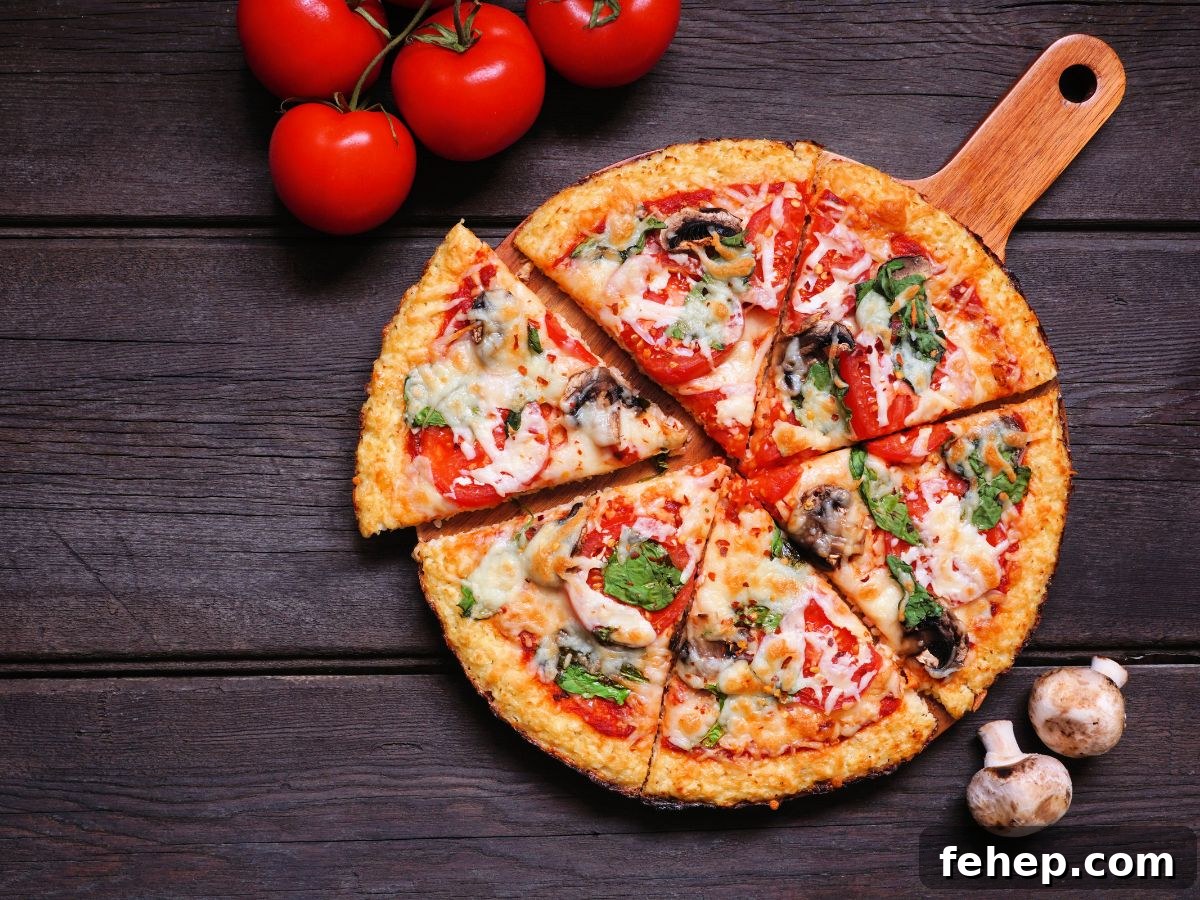
Pizza crusts are usually made from wheat, but many restaurants now provide gluten-free crusts, including cauliflower- or rice-based options. Confirm that the crust and any toppings are prepared in a way that avoids cross-contamination.
Sauces and Dressings
Some sauces and dressings use wheat as a thickener. Ask about ingredients in gravies, marinades, and dressings. Oil-based dressings, vinaigrettes, plain mustard, salsa and pesto are often gluten-free, but it’s best to verify.
Soup
Soups frequently use a roux made with wheat flour. Ask your server which soups are thickened with flour and whether alternative gluten-free soups are available. Broth-based soups, many vegetable soups and properly prepared tomato or lentil soups can be safe choices.
“I always look at the menu prior to going to the restaurant to see if they have a gluten-free menu. When ordering, I make sure the server knows I am gluten free. Lastly, I always take gluten-free snacks with me in case I have to eat somewhere that doesn’t have gluten-free food.”
— Gena, Ginger Casa
Cakes and Baked Goods
Baked goods are typically wheat-based. Ask if the restaurant offers gluten-free or flourless desserts.
Malt
Malt comes from barley and is not gluten-free. Avoid malted milkshakes and malt-containing beers or beverages.
Oats
Oats are naturally gluten-free but often subject to cross-contamination when processed alongside wheat. Ask whether oats used in dishes are certified gluten-free. Also ensure oats are fully cooked, as undercooked cereal can be harder to digest for sensitive individuals.
Dairy
Milk, cheese and yogurt are naturally gluten-free, but some flavored or processed dairy products may contain gluten as an additive. Verify labels or ask staff about flavored dairy items.
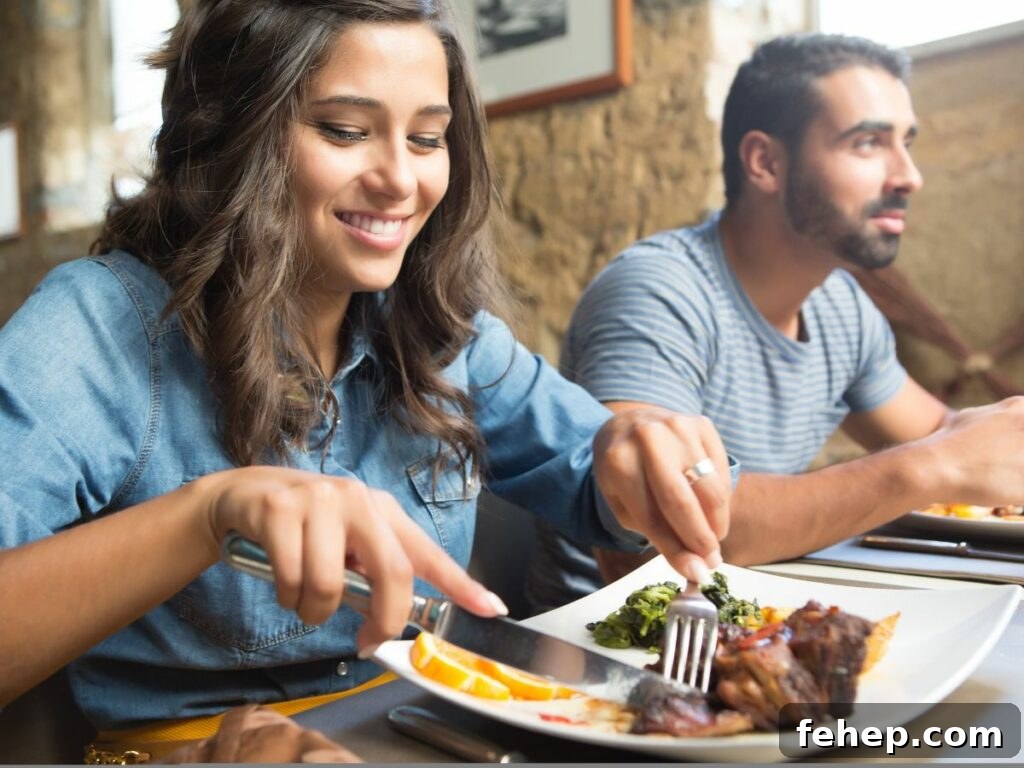
5 Tips for Eating out Gluten-Free
Adjusting to a gluten-free lifestyle takes time, but restaurants are increasingly accommodating. Use these practical tips to reduce risk and enjoy meals out with confidence:
Research ahead of time: Check menus online for gluten-free or celiac-friendly items and read reviews from other diners with similar dietary needs.
Communicate with your server:
- Tell your server you require a gluten-free meal as soon as you’re seated.
- Ask specific questions about ingredients and how dishes are prepared.
- Request modifications when needed and confirm steps the kitchen will take to avoid cross-contact.
Avoid cross-contamination: Ask whether gluten-free dishes are prepared separately, whether different utensils and cutting boards are used, and if fryers are dedicated for gluten-free items.
Stick to naturally gluten-free foods: When unsure, choose whole foods that are inherently gluten-free—meats, fish, eggs, vegetables and plain fruits are generally safe picks.
Be careful with fried foods: Fries and other fried items can be contaminated if cooked in shared oil. Confirm whether the fryer is shared or dedicated for gluten-free frying.
Following these steps will help you enjoy safe, delicious meals while dining out. Always speak up about your needs and don’t be afraid to request changes.
Pick Gluten-Free Cuisine
Some cuisines naturally lend themselves to gluten-free choices. Mexican, Latin American, Japanese, Thai, Indian, Greek and Middle Eastern restaurants often offer many naturally gluten-free dishes. Within Indian cuisine, options such as chana masala, saag paneer, butter chicken and biryani can be gluten-free depending on preparation.
Italian cuisine also has gluten-free possibilities beyond pasta and bread—risotto, polenta, certain vegetable preparations and chickpea-based dishes like farinata are naturally gluten-free and flavorful alternatives.
Know Gluten-Free Chain Restaurants
Many chains now list gluten-free choices on their menus. Some offer gluten-free buns, dedicated fryers or clearly labeled items. Policies and offerings vary by location and change over time, so check the restaurant’s current menu or ask staff about gluten-free preparations before ordering.
FAQs
Yes. Many restaurants accommodate celiac diners by offering gluten-free items, but it’s wise to call ahead or ask your server about sauces, gravies and preparation methods that might introduce gluten.
Menu labels are helpful but not infallible. For full assurance, verify ingredients and preparation methods with the restaurant staff.
If accidental exposure occurs, symptoms vary. Drinking fluids can help prevent dehydration and support recovery. If you have a treatment plan from a healthcare provider, follow those recommendations and seek medical advice if symptoms are severe or persistent.
In Conclusion
Eating out gluten-free is manageable with preparation, clear communication and awareness of cross-contamination risks. As awareness grows, restaurants increasingly offer safe options, making it easier to dine out confidently. By researching menus, asking questions and choosing naturally gluten-free foods when in doubt, you can enjoy a stress-free restaurant experience.