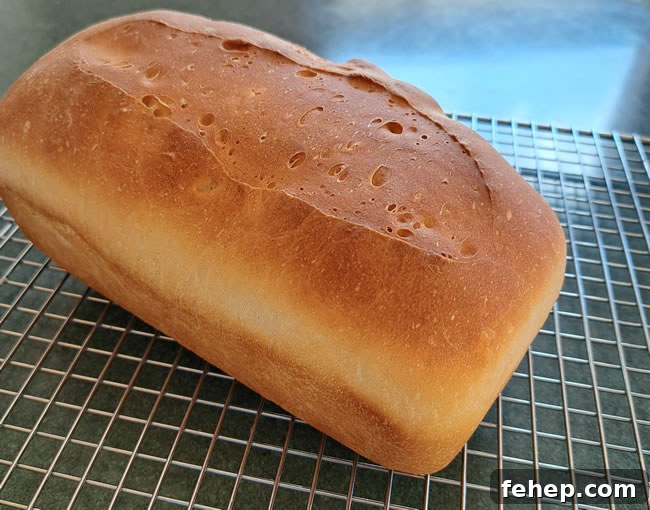
Here’s general guidance for baking dough made in a bread machine in a conventional oven.
How to Bake Bread Dough in the Oven
Last updated August 25, 2025 – Originally posted November 26, 2024
Many people use a bread machine to mix and bake a loaf from start to finish because of the convenience. Others prefer to use the machine only to mix and rise the dough, then finish baking in a conventional oven. Baking in the oven can change the loaf’s shape, texture and crust in ways that some home bakers prefer. Below are practical, general tips to help you take bread machine dough from pan to oven with good results.
Why Bake Bread Machine Dough in the Oven?
One common reason is pan orientation. Many bread machines use a vertical pan that produces a tall, sideways loaf. Using the oven with conventional horizontal loaf pans yields a longer, more traditional loaf shape that slices more uniformly and fits standard sandwich recipes better.
Another reason is the kneading paddle. Bread machines typically leave a small hole or indentation where the paddle sits. When you shape and bake the dough in a loaf pan, those holes are eliminated, producing a neater appearance—useful when presenting or gifting bread.
Finally, oven baking often yields a crisper, deeper-colored crust than bread machines. If a browned, artisan-style crust is important to you, finishing the bake in a hot home oven is a good option.
Bread Machine Cycles: What Happens in the Machine
Understanding the steps the machine goes through helps you decide where to take over. Machines vary, but this is a typical sequence for the basic or white setting.
Rest/Preheat Cycle – Some machines warm the ingredients briefly to stabilize temperature and soften fats before mixing.
Knead Cycle – The machine mixes and kneads the dough to develop the gluten network that gives structure and elasticity.
First Rise Cycle – Yeast ferments sugars and produces gas, causing the dough to expand while gluten strengthens the structure.
Punch Down (Stir Down) Cycle – The dough is deflated to release trapped gas and prepare for the next rise.
Second Rise Cycle – A second proof improves texture and volume; some machines include additional rises depending on the program.
Bake Cycle – If you let the machine bake, it heats the dough and produces oven spring as gases expand, then sets the crumb and crust. If you stop the cycle after the dough setting, you’ll transfer the risen dough to pans for oven baking.
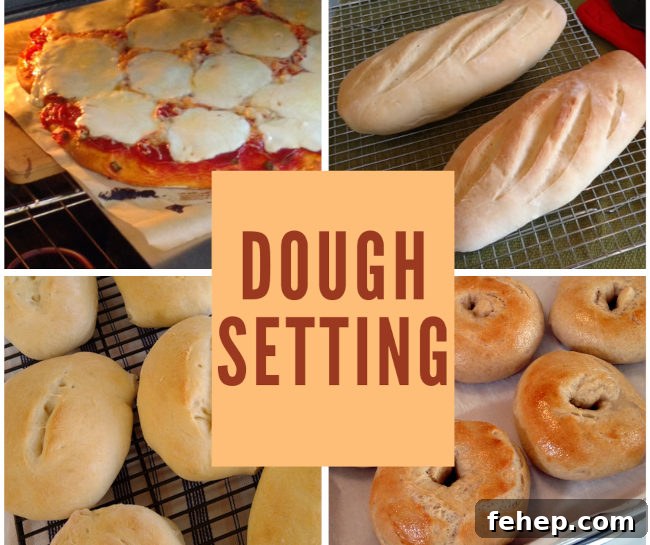
If you want to make rolls, bagels or shaped loaves, check recipes specifically written for dough settings. Those recipes include shaping and oven instructions and are valuable references when adapting bread machine dough to oven baking.
General Instructions for Baking Bread Machine Dough in the Oven
Use your machine’s dough setting; this typically completes mixing, kneading and the second rise. After the dough cycle finishes, follow these steps:
- For a 2-pound loaf yield, divide the dough between two 9×5 or 9×6 inch greased loaf pans. Spray or grease pans lightly to prevent sticking.
- On a lightly floured surface, gently punch the dough down to deflate large gas pockets and separate it into equal portions.
- Shape each portion into a rectangle roughly the length of your pan and about 1/2 to 3/4 inch thick. Roll the dough jelly-roll style, sealing the seams by pinching the edges firmly.
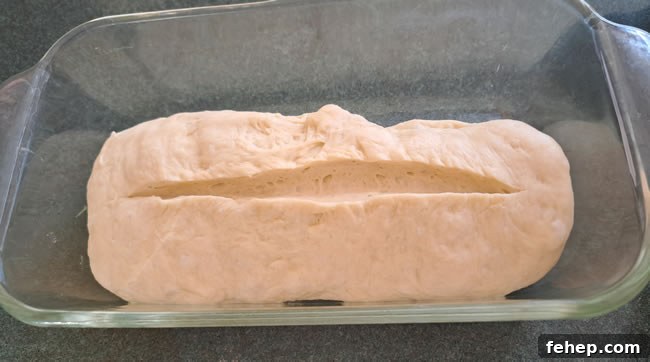
- Place each roll seam-side down into the prepared pan, pressing gently to fill the corners. The goal is a smooth, even surface rather than a perfectly sculpted loaf.
- Score the tops with a lame or sharp knife: make a center cut about 1/2 inch deep, leaving roughly an inch uncut at each end. Scoring controls expansion and improves appearance.
- Cover the pans with a lightweight towel and allow the dough to proof for 45 minutes to 1.5 hours, depending on room temperature and the recipe. The dough should rise just above the rim of the pan; avoid over-proofing—if it rises more than an inch above the pan edge it may collapse during baking.
- Preheat the oven before baking. Oven temperature depends on the recipe style; consulting a comparable oven-baked bread recipe is a useful guide.
- A common starting point for many basic breads is 350°F (175°C) for 30 to 45 minutes. Begin checking for doneness after 30 minutes. The loaf should have a firm, evenly browned crust and sound hollow when tapped on the bottom.
Ovens vary, so you may need to adjust time and temperature for your particular recipe and oven. For richer or larger loaves, slightly lower temperature and longer bake can help the interior set without overbrowning the crust. For leaner, crusty breads, a hotter oven can encourage a crisper crust.
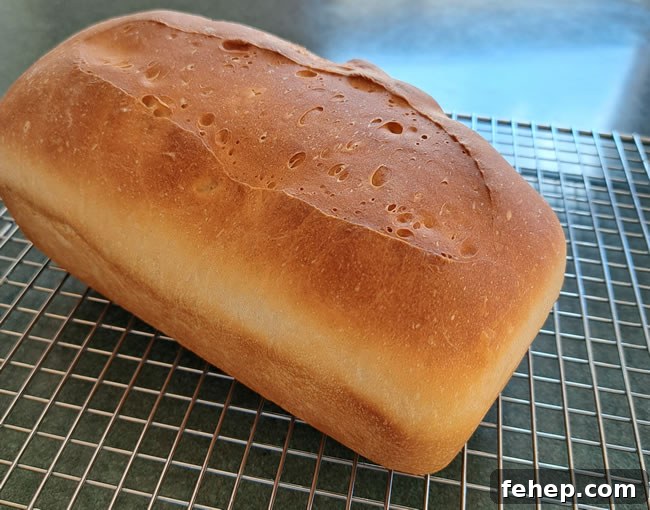
With practice you’ll learn how your machine’s dough setting and your oven interact, and you can tweak shaping, proofing and baking to match the style of loaf you prefer. Happy baking!