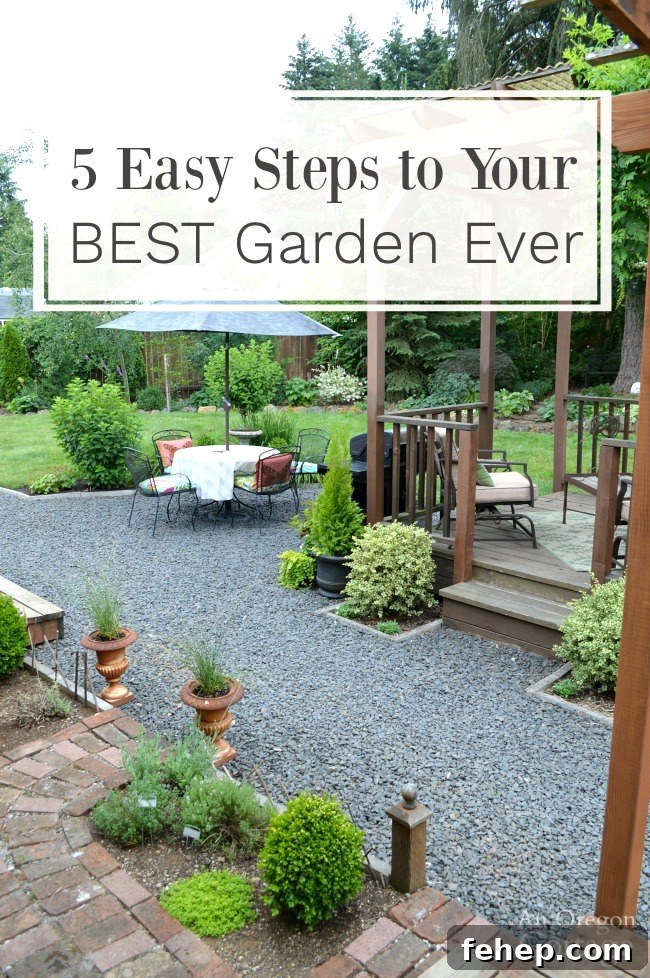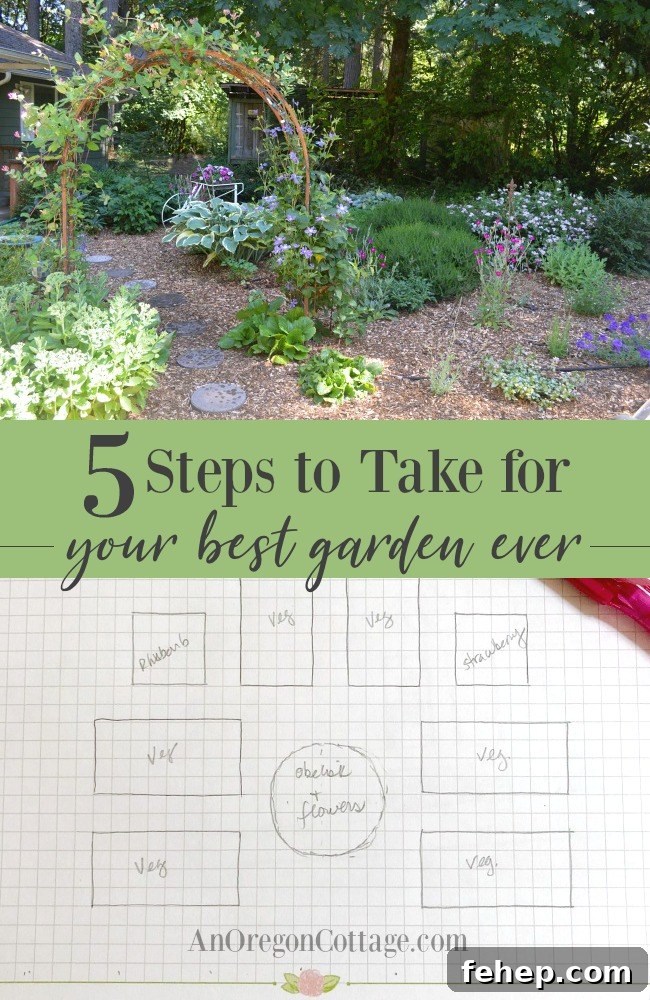
Five straightforward planning steps are all you need to move toward your best garden ever. These gardening tips and organizing ideas will help you plan a season full of flowers and vegetables, with free printable resources you can download.
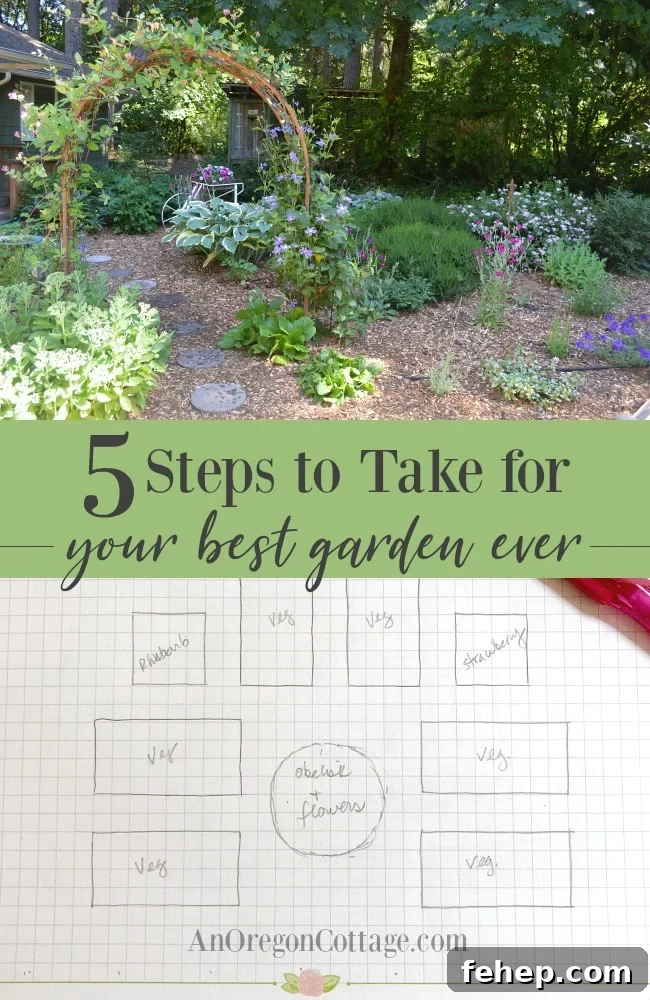
January through March is my favorite time to dream and plan for the coming garden season. It’s when I browse seed and plant catalogs, discover new varieties, and decide what I want to try alongside reliable favorites. It’s also the ideal moment to plan new planting areas or refresh older beds.
This planning phase is where you design the garden you want—before weather, pests, and life interfere. Take the time to write down garden goals so you can realistically aim to grow more of your own flowers and food this year.
If you’ve ever caught yourself saying at the end of a season, “well, there’s always next year,” you know how hopeful planning can be. In those early months, gardens feel perfect in our imagination, and that optimism is worth capturing and using.
Planning is one of the parts of gardening I enjoy most, aside from harvesting. Many people don’t think of planning as gardening, but it is—and it’s essential for creating a garden that’s manageable and productive.
Follow these steps now and you’ll be well on your way to your best garden ever.
5 Steps to Plan Your Best Garden Ever
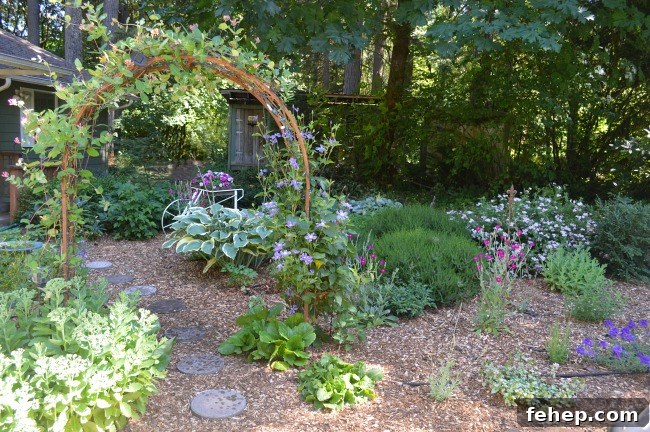
1. Dream and Imagine
Start by collecting inspiration from catalogs, magazines, and gardening books, and think about how you want your yard and garden to look. Tear out or save images that excite you and make a list of ideas: new paths, seating areas, vegetable varieties, flower combinations, and more.
Create an inspiration board where you gather ideas and images. This is the fun, creative phase—don’t skip it. Let yourself dream broadly; you’ll refine those ideas in the next step.
2. Realistically Plan
With your dream list in hand, think through what’s practical for this season. Ask yourself:
- What projects can you complete this season?
- Which ideas should wait for later?
- How much time and energy can you commit?
- What is your budget?
Cross off items that aren’t feasible or move them to a future list. Be honest about your limits so the plan you create is achievable.
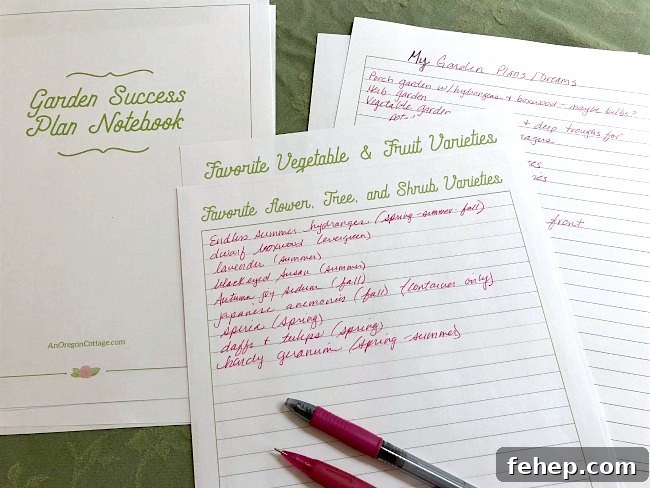
Keep your notes in a garden journal so you can refer to them during the year. Jot down favorite plants—flowers, shrubs, trees, vegetables, and fruits—so you won’t forget the varieties you want to grow.
If you’re new to gardening, focus on easy-care designs and realistic goals. Aim for a garden you can maintain without overwhelming effort.
3. Sketch Out Your Plan
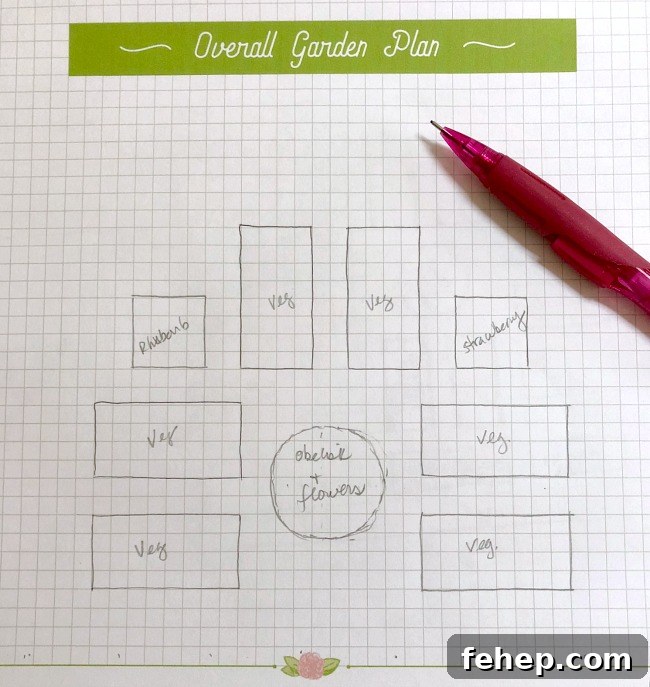
Translate your realistic plan into a simple sketch. Use graph paper to draw each bed to scale—1/4-inch squares can represent 1 foot (or adjust to 2 feet if that fits better). Use a separate page for each flower bed or vegetable plot.
For flower beds, draw circles approximately the size the mature plants will need and number each planting spot. Create a legend that lists plant numbers and their names so you have a clear planting map.
4. Purchase What You Can
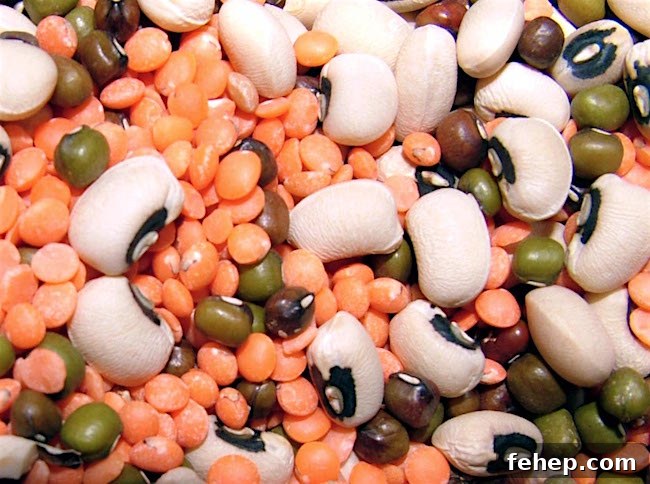
Once you know what you want to plant, make a shopping list. Order bare-root plants and trees early, especially if you live where ground freezes—many are best purchased in late winter for planting in early spring. If you start vegetables and flowers from seed, order seeds early; popular varieties can sell out by late winter.
Buying early expands your choices and often helps you avoid rushed purchases in spring when selections are limited. Keep a clear list so you only buy what you need and avoid duplicates.
5. Start Implementing Your Plan
With your plan and supplies ready, begin putting it into action. As the season progresses, you can:
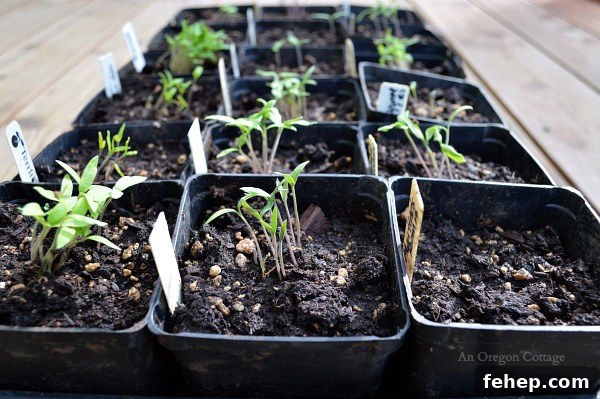
- Start seeds on the schedule that matches your last frost date—some plants, like peppers, need to be started well before transplanting.
- Use early spring days to create new beds or build raised beds for easy maintenance.
- Apply mulch, compost, or cardboard to improve soil and suppress weeds in existing beds.
- Watch for plant sales to get varieties on your list at better prices.
- Plant seeds and transplants as conditions allow for your garden zone.
Enjoy the process of turning bare soil into productive, beautiful space. Visualizing the rewards—cutting flowers for a vase or harvesting fresh lettuce—helps keep you motivated through the work.
Free printable: Use a simple checklist to stay on track with your garden plan. Keep notes and check items off as you go to make the season productive and enjoyable.
How do you prepare for a new garden season?