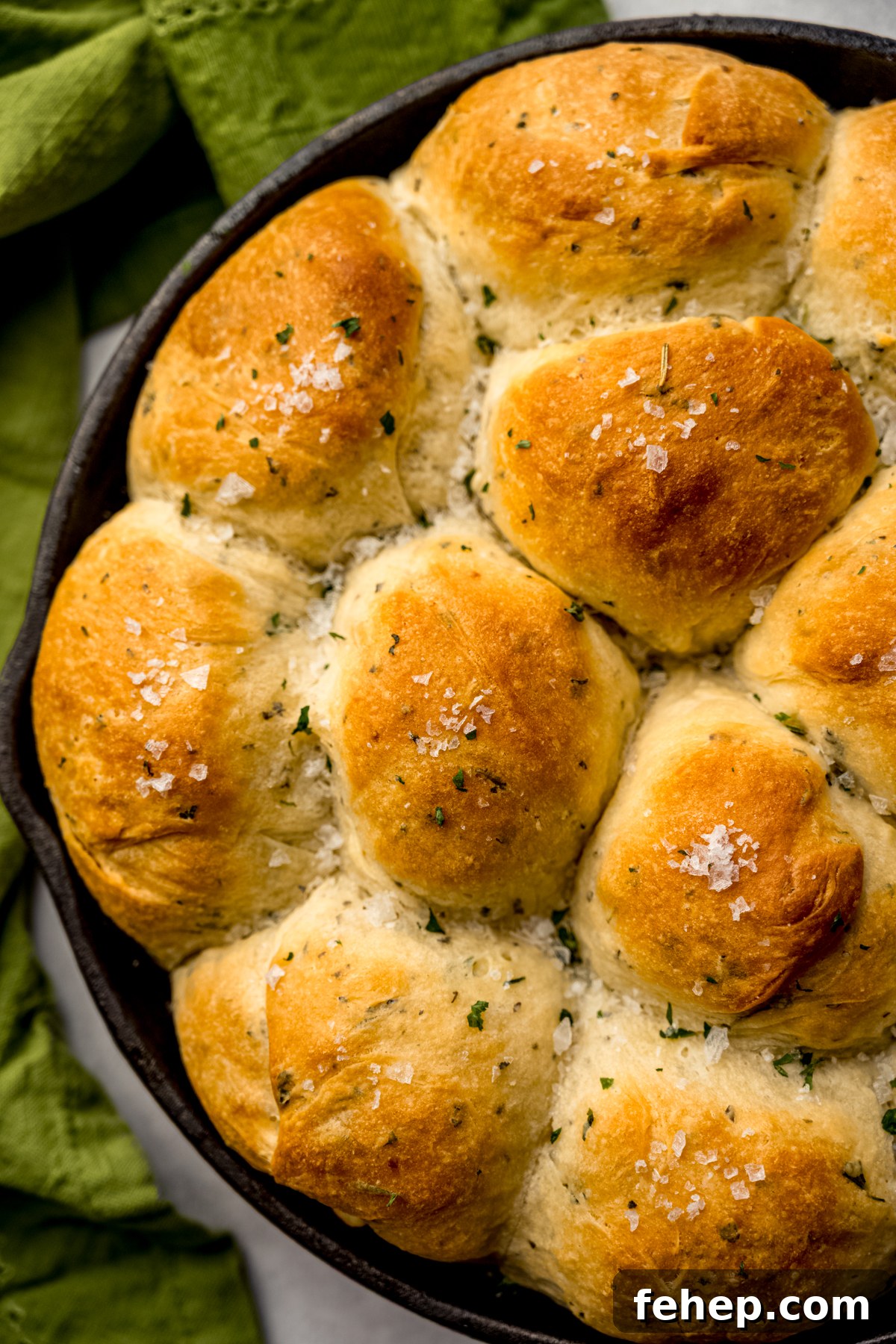
These soft, tender herbed dinner rolls elevate a classic yeast roll with rosemary, basil, parsley, and garlic. Brushed with melted butter and finished with flaky sea salt, they make an easy, flavorful upgrade to ordinary rolls.
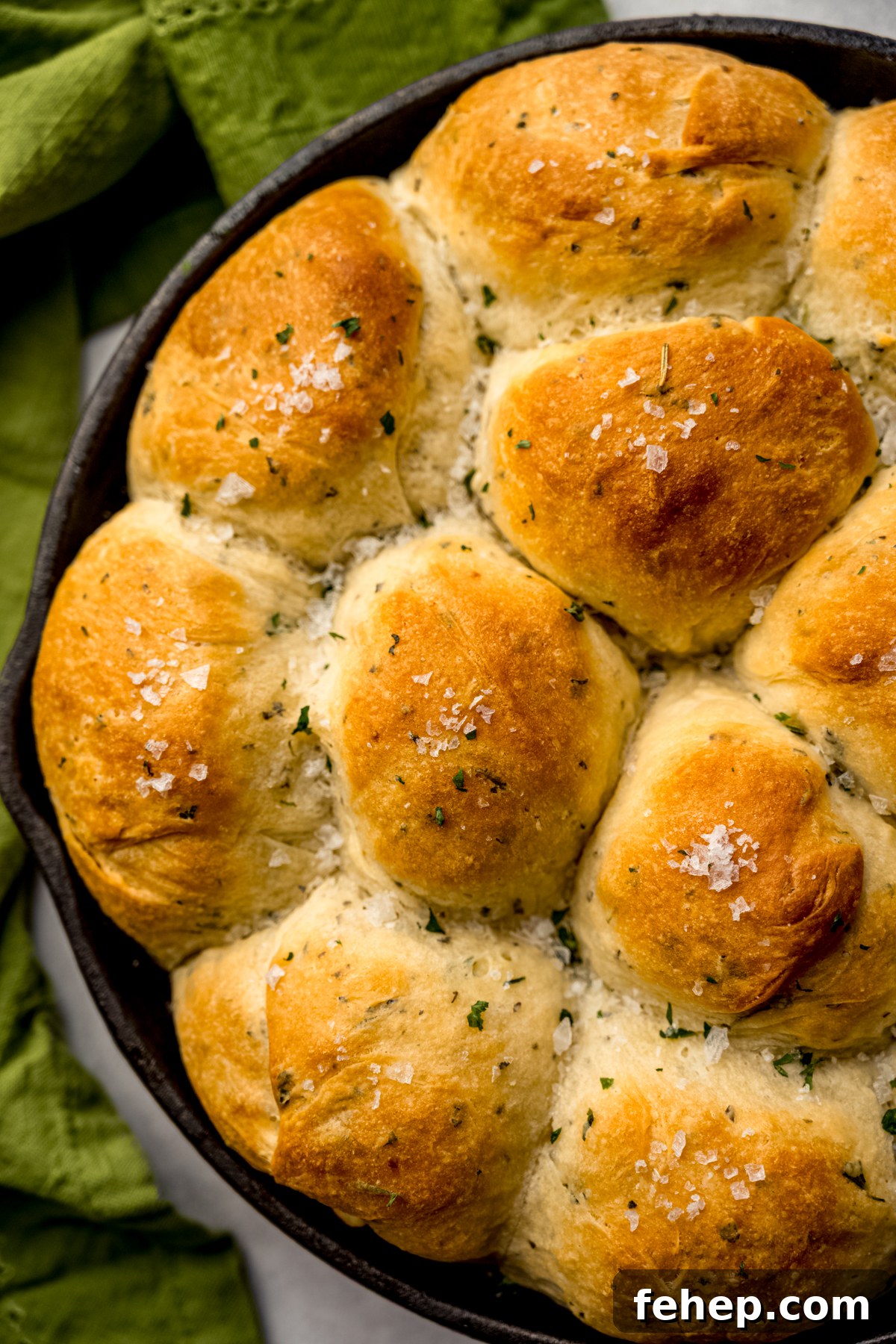
Homemade Dinner Rolls: Upgraded
If you’ve followed this site at all, you know I love yeast bread. When someone who’s intimidated by yeast succeeds with one of my recipes, it’s a big win. These herbed rolls are a simple adaptation of an easy yeast roll recipe that yields soft, tender rolls with a bakery-quality texture.
A few small adjustments to the base recipe make room for fresh herb flavor and garlic, resulting in aromatic rolls that work for a weekday meal but are special enough for holidays and entertaining.
Why You’ll Love These Rolls
Besides being easy to make, these rolls bring a lot to the table:
Incredible flavor: the herbs and garlic give the rolls a savory, aromatic profile that pairs well with many dishes.
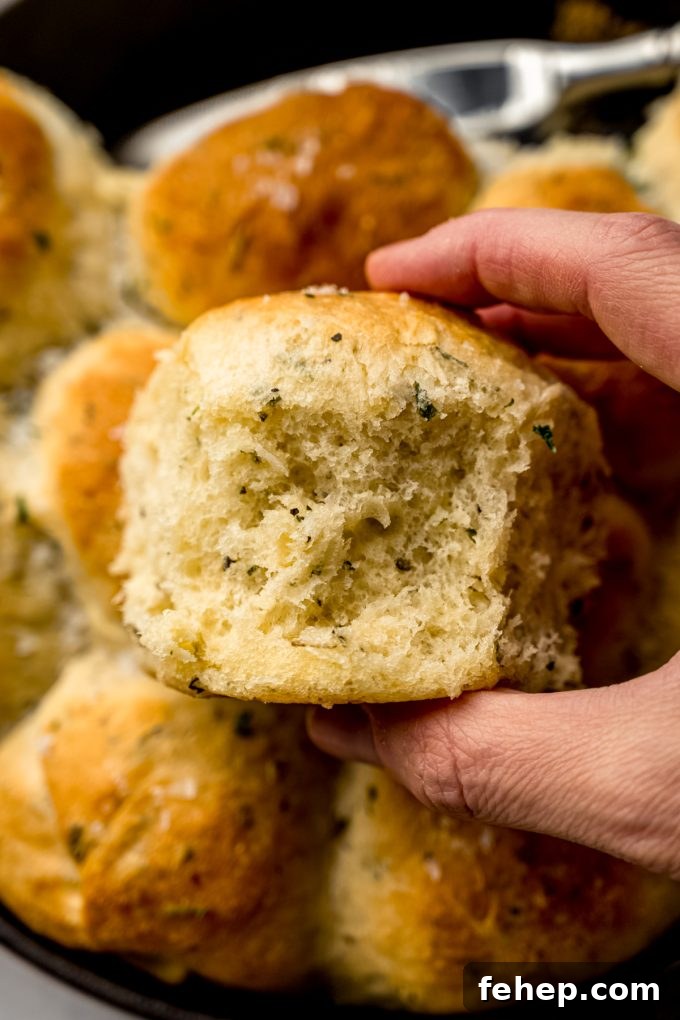
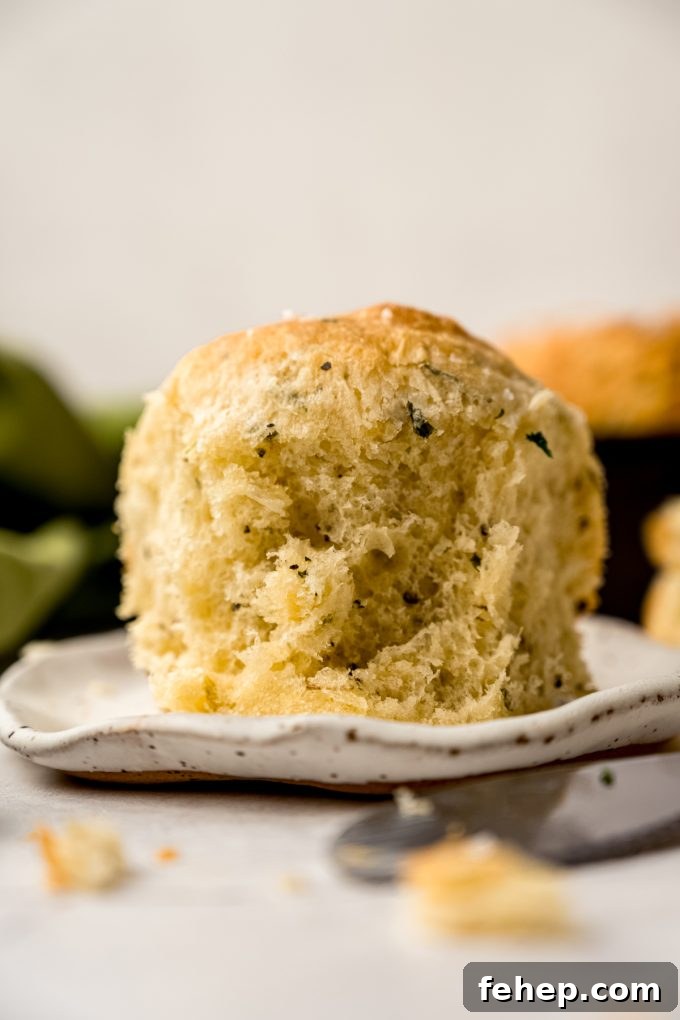
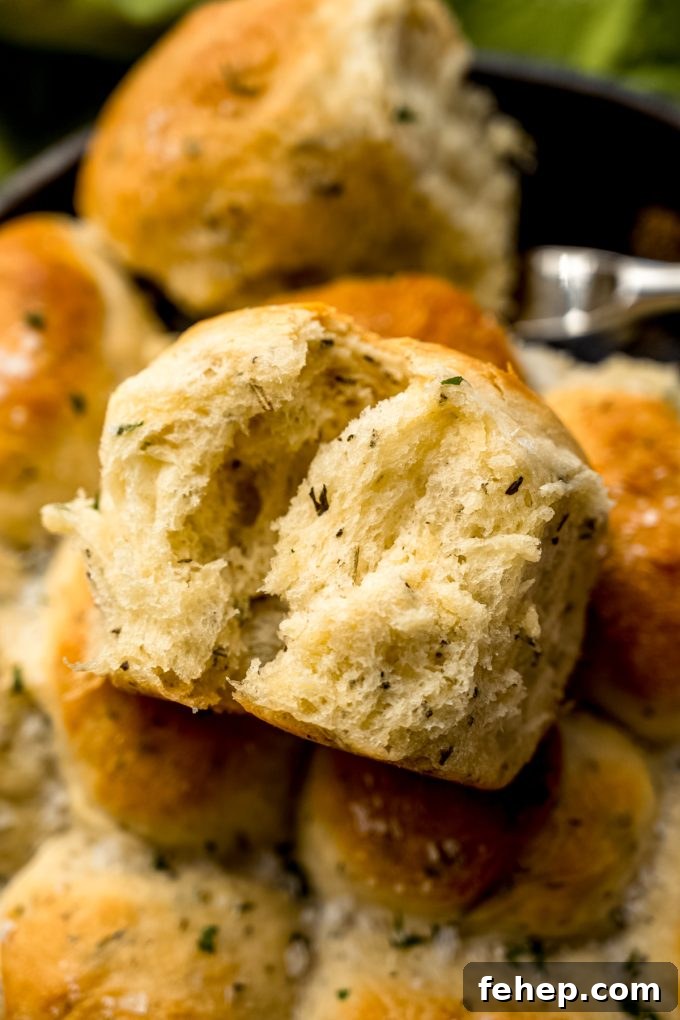
Unbeatable texture: the crumb is pillowy soft—light and tender, while remaining substantial enough to hold fillings if you want to make sliders.
Make-ahead friendly: you can refrigerate or freeze at key stages to spread the work over a day or more—see the notes in the recipe for timing details.
Key Ingredients
This is an enriched dough, so it uses milk, butter, and egg for a rich, tender crumb. The herbs provide the distinctive flavor—dried rosemary, basil, and parsley with minced garlic (garlic powder can be substituted if preferred).
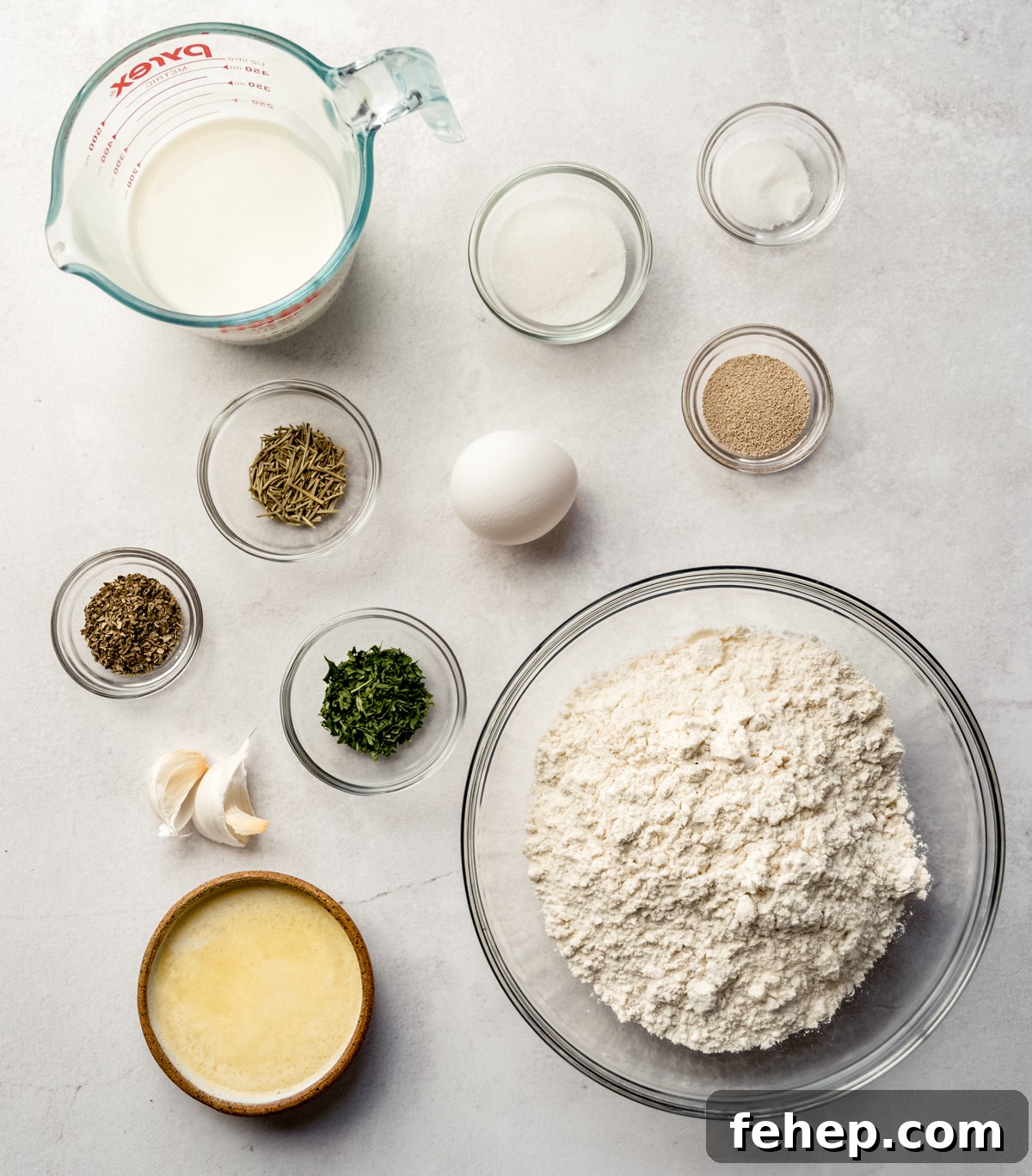
Whole milk gives the richest texture, but lower-fat or nondairy milks work as well. Use all-purpose flour for excellent results; bread flour can be used for slightly more chew.
Step-by-Step: How to Make Herbed Skillet Dinner Rolls
Photos and a video are included to guide you. From start to finish the process takes around two to three hours, depending on rise times. Make-ahead options are covered in the notes.
Step 1: Warm the milk (about 110°F / 43°C), whisk in the sugar, then sprinkle the yeast on top. Let sit 5–10 minutes to proof until foamy.
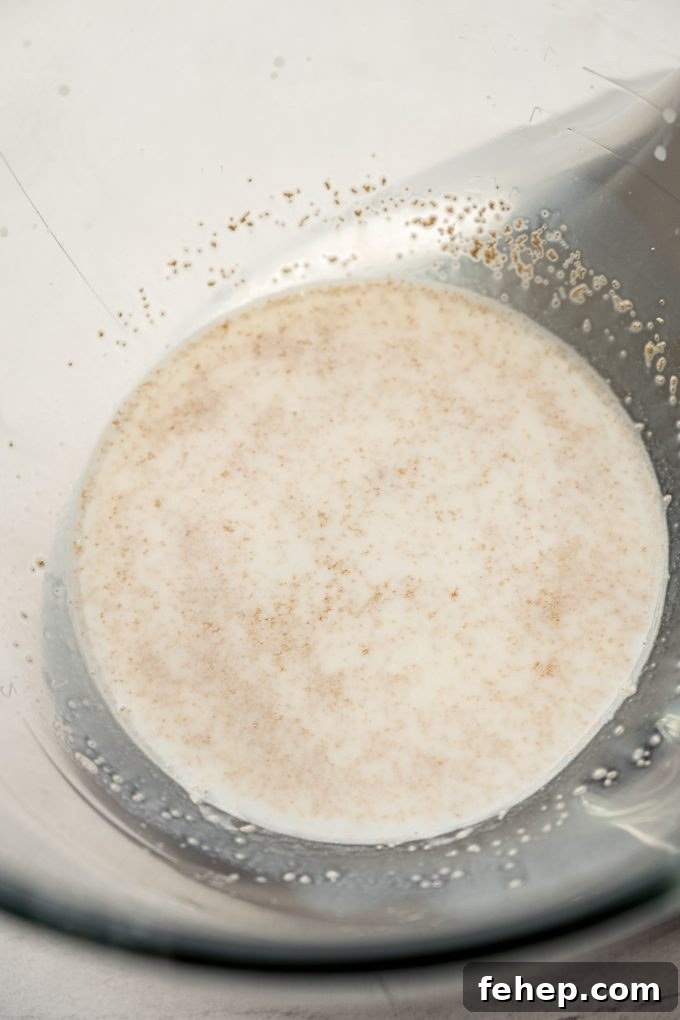
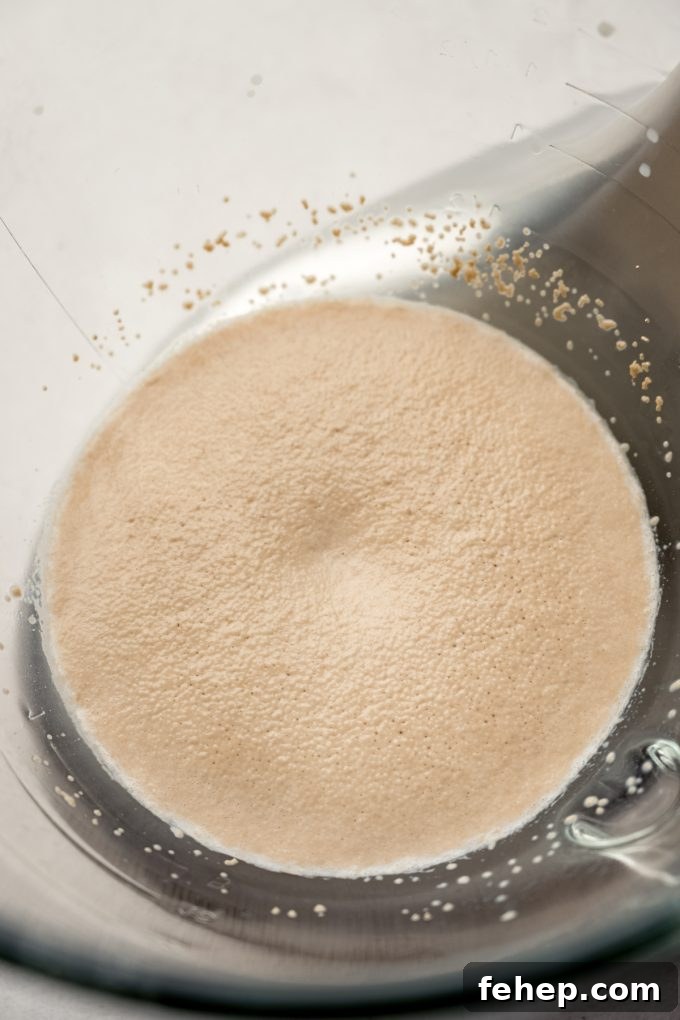
Step 2: After the yeast proofs, add melted butter, the egg, dried rosemary, basil, parsley, garlic, and salt, then stir in the flour.
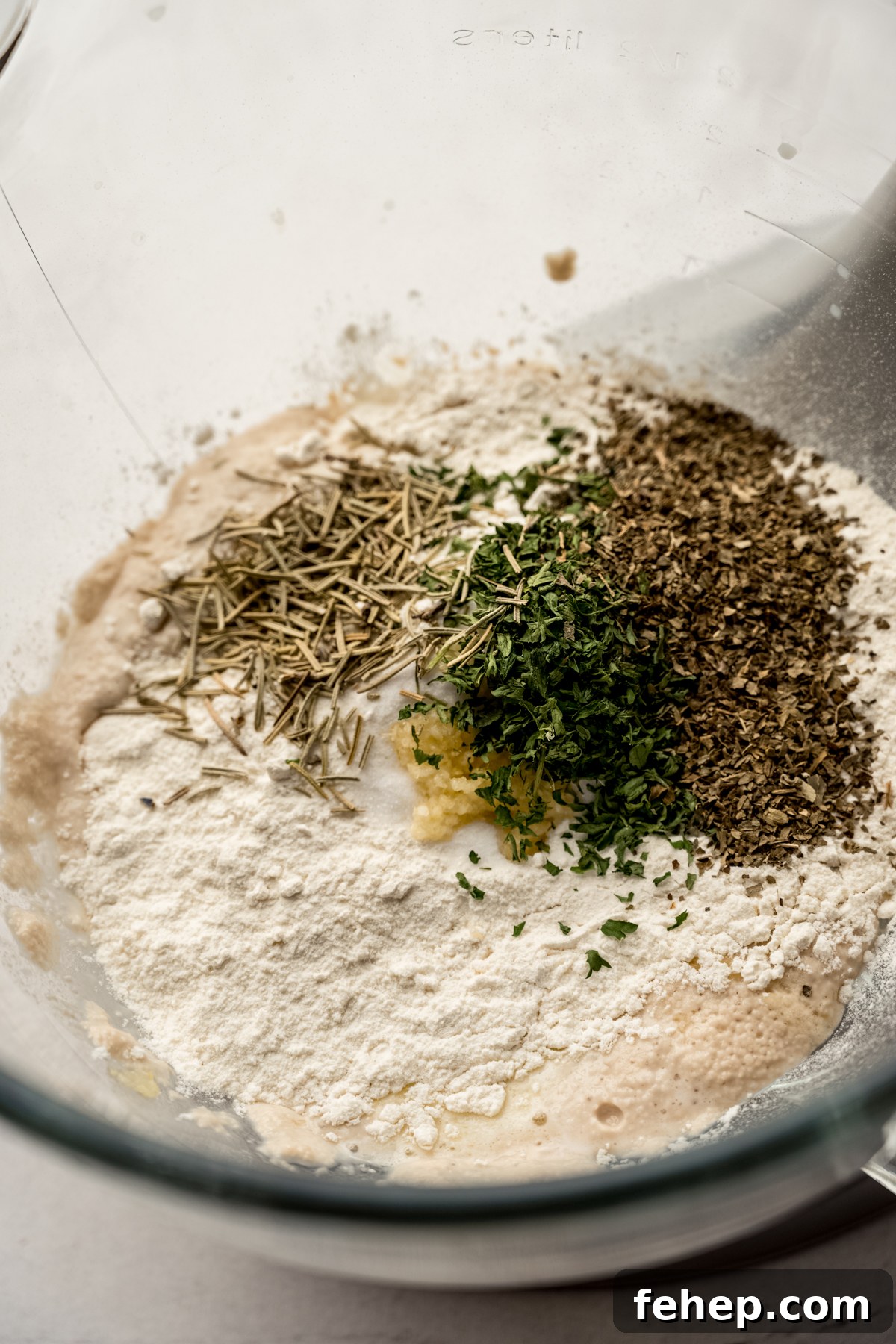
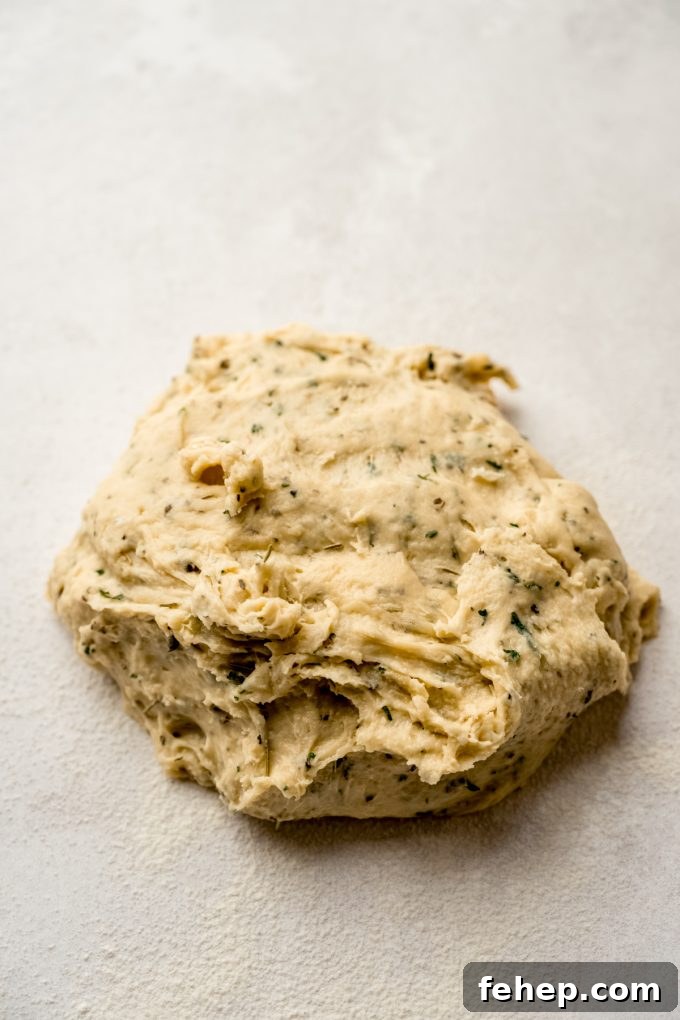
Step 3: Fit the mixer with a dough hook (or use a spatula) and mix until a soft dough forms. It may be slightly shaggy but should pull away from the bowl sides.
Knead the Dough
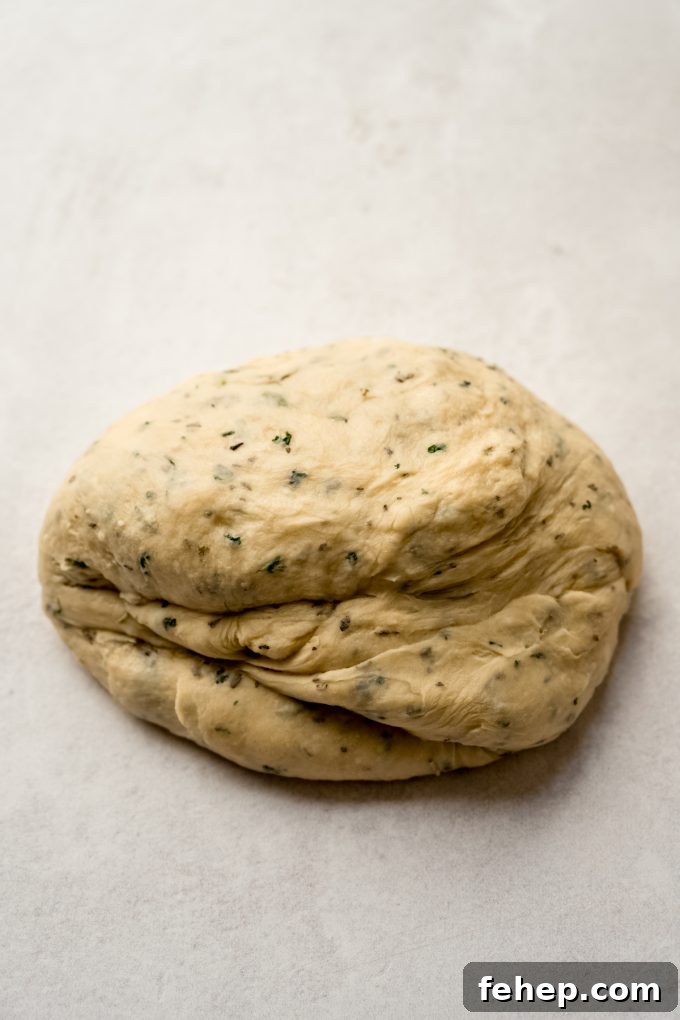
Step 4: Turn the dough onto a floured surface and knead 8–10 minutes until smooth and elastic, adding flour a tablespoon at a time if sticky. The finished dough should feel springy and smooth; you can also finish this step using the dough hook if preferred.
Shape the Herbed Rolls
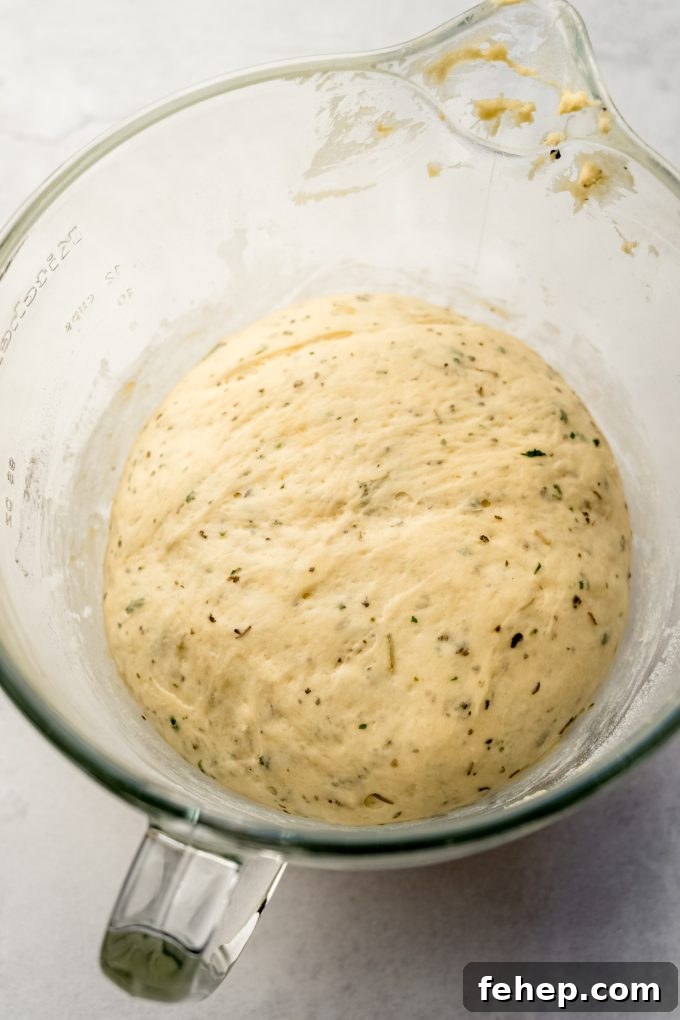
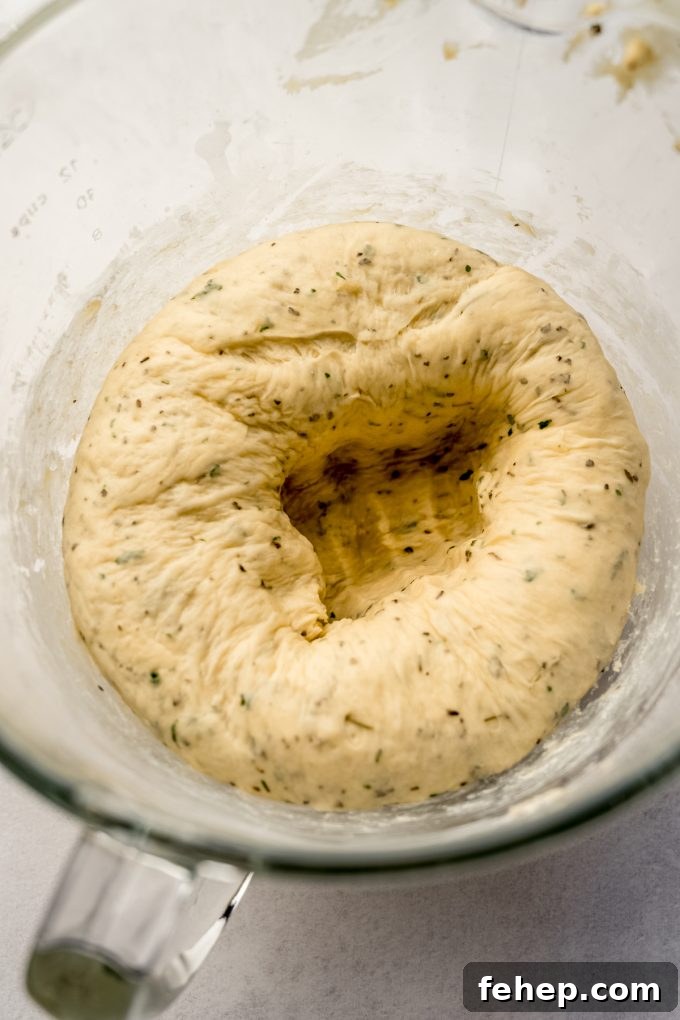
Step 5: After the dough has risen and doubled, deflate it, turn it onto a lightly floured surface, and pat into a 12″ log. Cut into 12 equal pieces.
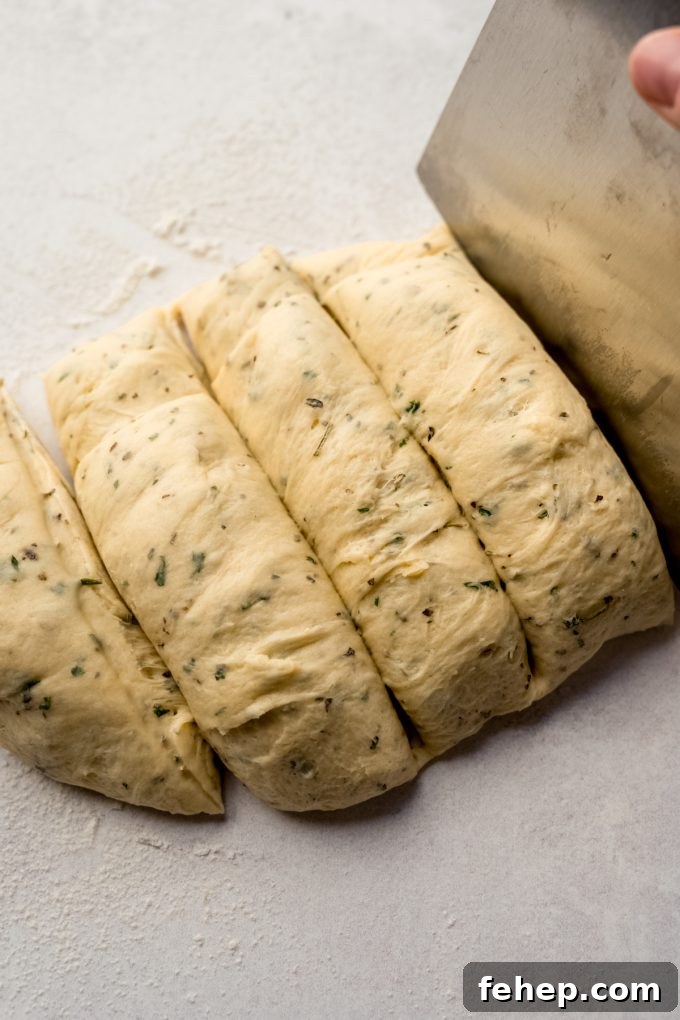
Step 6: Shape each piece into a ball by pinching and rolling the dough, then place the rolls in a prepared skillet or baking pan. Cover with a towel and let rise at room temperature for about 1 hour.
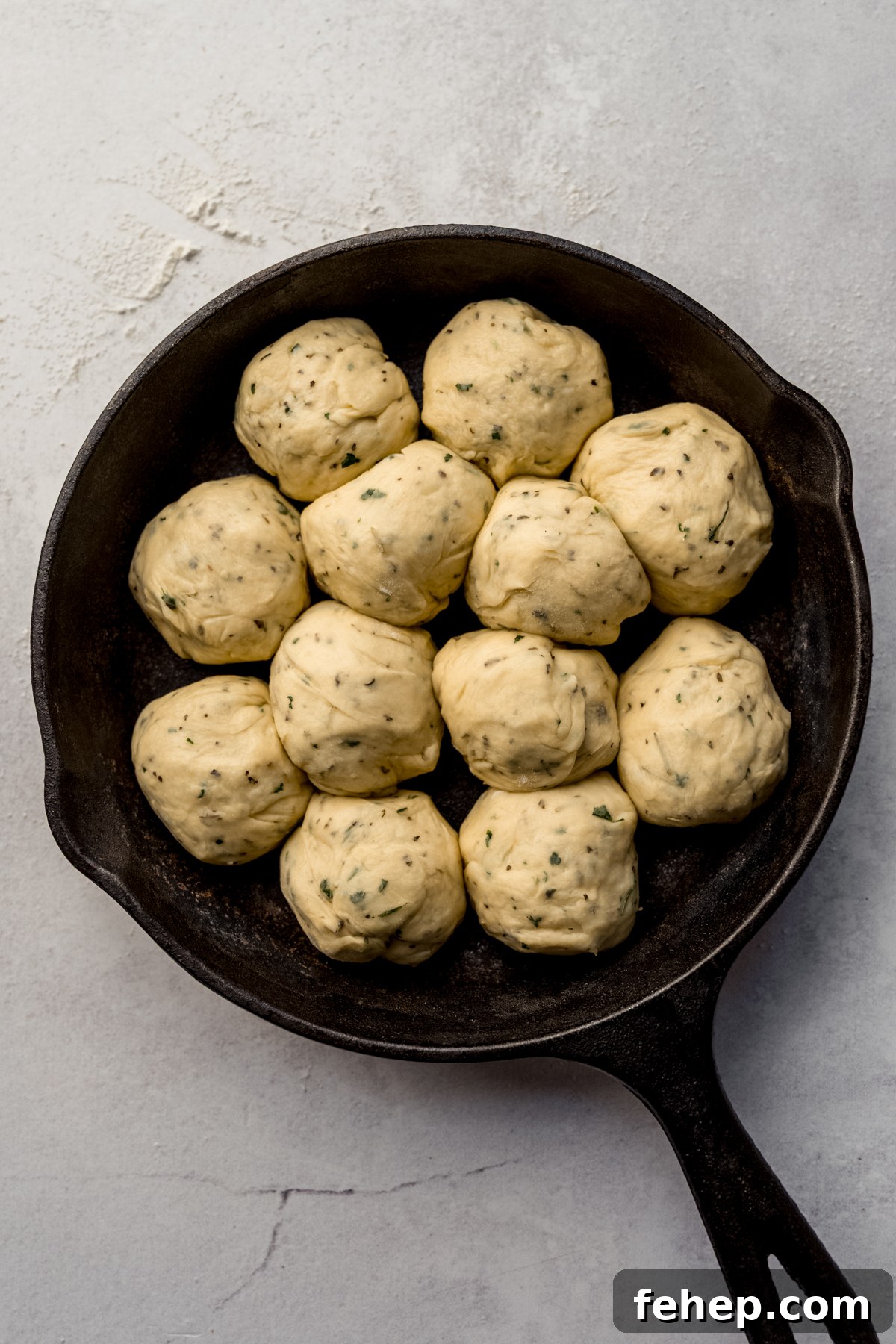
Bake the Rolls
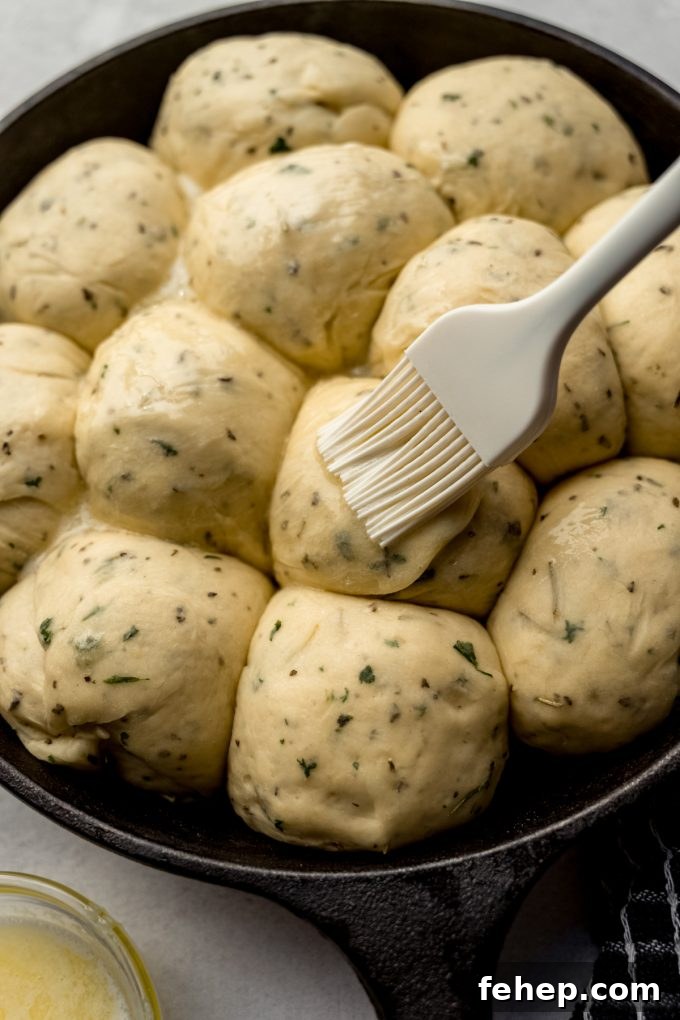
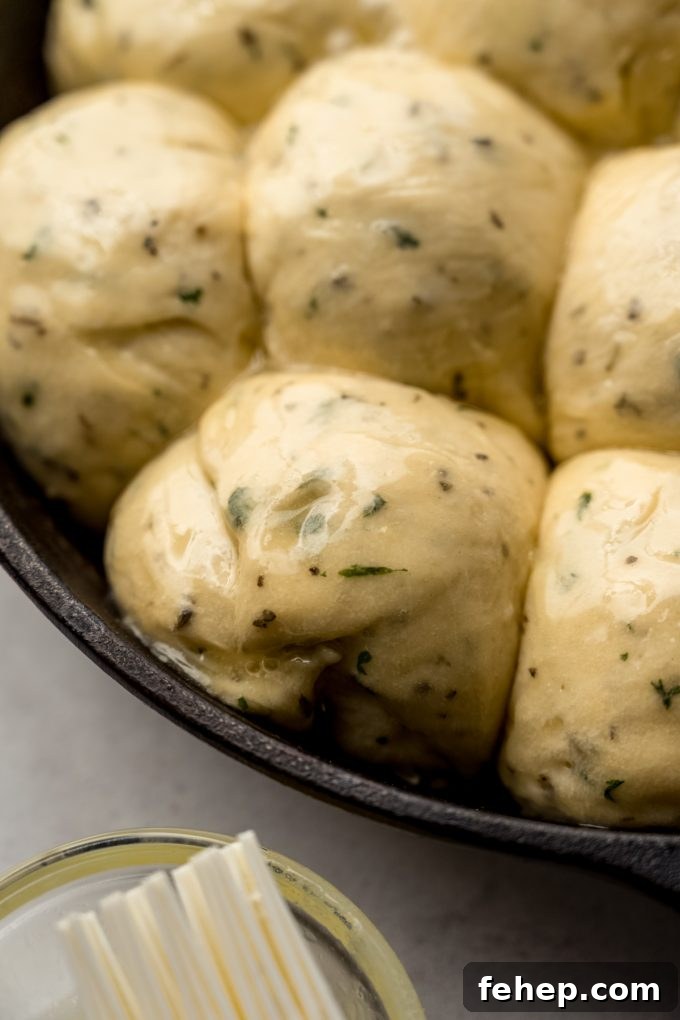
Step 7: Preheat the oven to 375°F (190°C). Brush the risen rolls with half of the melted butter, bake until golden on top (about 23–27 minutes), then brush with the remaining butter and sprinkle with flaky sea salt. Let cool a few minutes before serving.
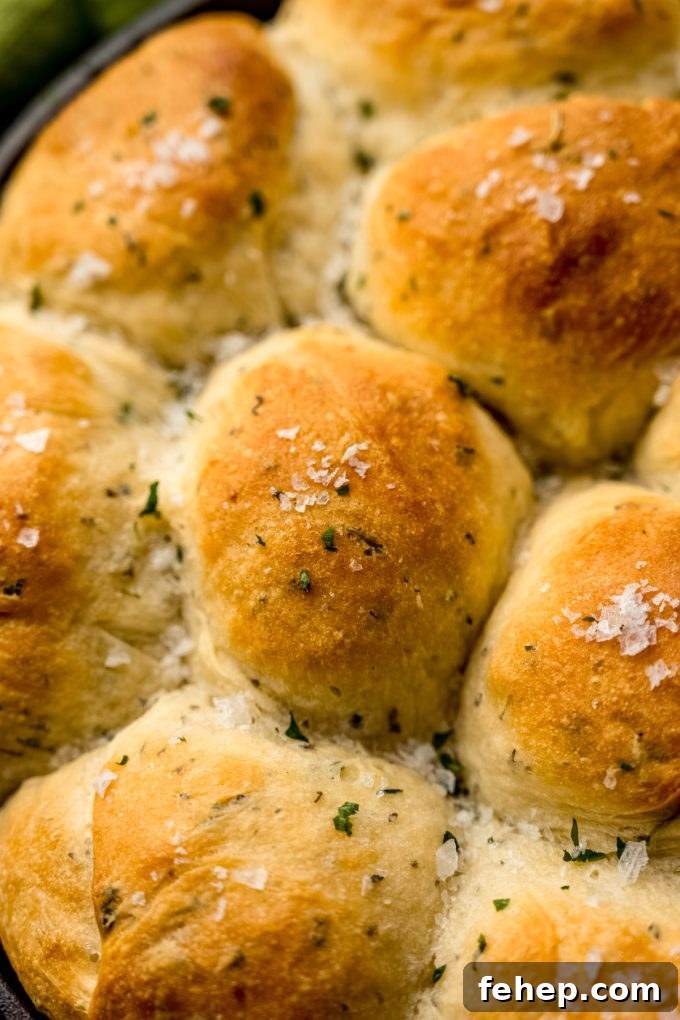
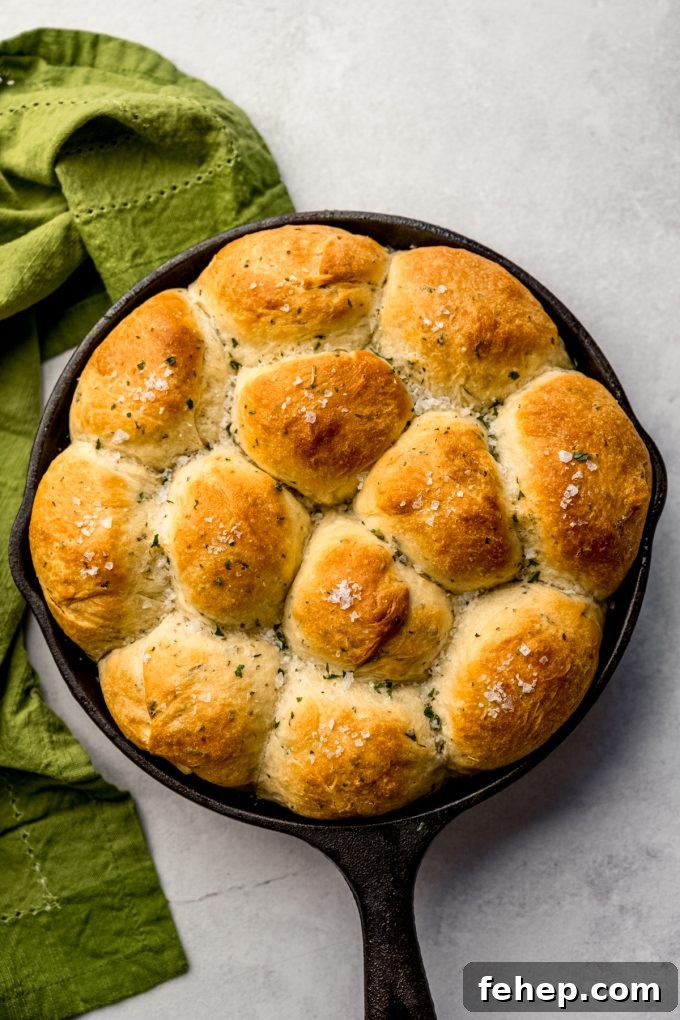
Do I Have to Use a Skillet?
No — a 9″ x 13″ baking dish works well if you don’t have a cast iron skillet. The skillet can add a slightly crisper bottom, but either pan will produce soft, tender rolls.
Make-Ahead Instructions
After shaping the rolls in the pan, you can refrigerate them to pause fermentation for up to 18 hours. Cover the shaped rolls tightly with plastic wrap and refrigerate. Remove them 2 hours before baking, letting them rise at room temperature for about 1½ hours before baking.
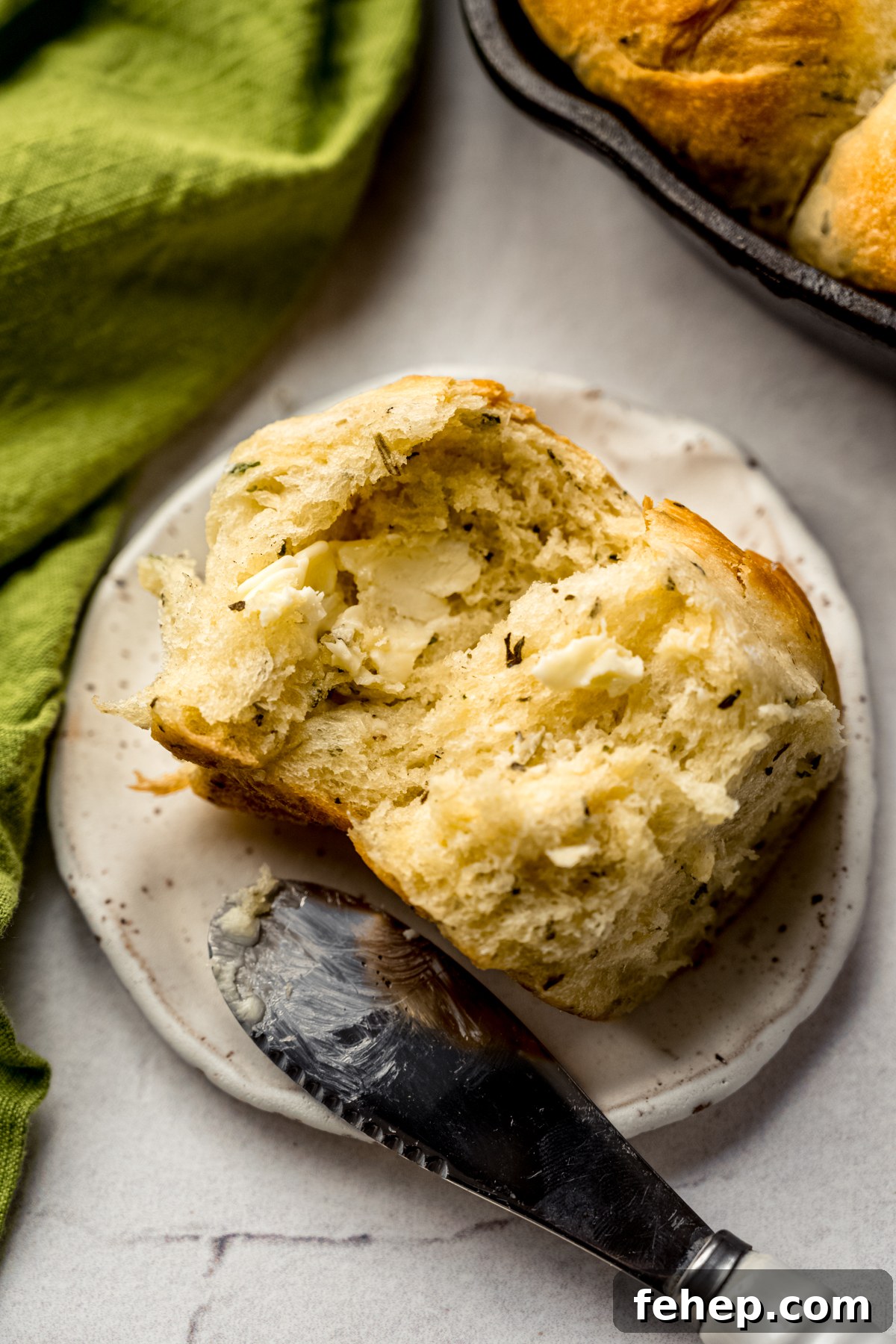
These Are Truly a Stand-Out Roll Recipe
The flaky salt adds a satisfying crunch while the center stays pillowy soft. Serve warm from the oven for best results.
These rolls pair beautifully with roasted or herbed meats, pasta dishes, soups, or as the base for small sliders. They’re versatile enough to complement many meals.
More Impressive Bread Recipes
- Pesto Pull-Apart Bread
- Pizza Pull-Apart Bread
- Apple Butter Pull-Apart Bread
- Cinnamon Babka
- Italian Anise Bread
- Sticky Buns
- Artisan Sandwich Bread
- Cinnamon Raisin Bread

Print Recipe
Herbed Dinner Rolls Recipe
15
22
2
2 37
Ingredients
Rolls
- ¾ cup (180 mL) warm milk (whole preferred, ~110°F / 43°C)
- 2 Tablespoons (25 g) granulated sugar
- 2¼ teaspoons (7 g) active dry yeast (one packet)
- ¼ cup (57 g) unsalted butter, melted and cooled
- 1 large egg, room temperature
- 2 teaspoons dried rosemary
- 2 teaspoons dried basil
- 2 teaspoons dried parsley
- 2 cloves garlic, minced (or 1 teaspoon garlic powder)
- 1 teaspoon salt
- 2¾ to 3¼ cups (330–390 g) all-purpose flour
Butter Topping
- 2 Tablespoons (28 g) unsalted butter, melted
- Flaky sea salt, for sprinkling
Need to keep track of your ingredients?Check out the printable ingredient list option.
Instructions
-
1. In a stand mixer bowl or large bowl, whisk warm milk and sugar. Sprinkle yeast over the top and whisk. Let sit 5–10 minutes to proof.
-
2. Once the yeast is foamy, add melted butter, egg, dried herbs, garlic, and salt. Add the flour and mix until a soft dough forms.
-
3. Mix with a dough hook or stir until the dough pulls away from the bowl and feels cohesive.
-
4. Turn the dough onto a floured surface and knead 8–10 minutes until smooth and elastic. Place in an oiled bowl, turn to coat, cover, and allow to rise until doubled, about 60–90 minutes.
-
5. Punch down the dough, pat into a 12″ log, and cut into 12 pieces. Shape each piece into a ball and place in a greased 9–10″ cast iron skillet or a 9″ x 13″ baking dish.
-
6. Cover with a towel and let rise at room temperature for 1 hour (or refrigerate covered for up to 18 hours—see notes for timing).
-
7. Preheat the oven to 375°F (190°C). Brush the rolls with half the melted butter, then bake 23–27 minutes until golden. If tops brown too quickly, tent with foil. Remove from oven, brush with remaining butter, and sprinkle with flaky sea salt. Cool a few minutes before serving.
-
Storage: Store at room temperature up to 3 days, refrigerated up to 1 week, or frozen up to 3 months. Thaw at room temperature.
Notes
- Garlic: substitute 1 teaspoon garlic powder if preferred.
- Skillet: a 9″ x 13″ baking dish can be used instead of a skillet.
- Make ahead: cover shaped rolls tightly with plastic wrap and refrigerate up to 18 hours. Remove 2 hours before baking and allow to rise at room temperature about 1½ hours.
- Working with yeast: for guidance on yeast temperatures and handling, consult a general baking-with-yeast resource.
Adapted from an easy yeast roll recipe.
Nutrition Disclosure
All nutritional values are approximate and provided as a courtesy. Changing ingredients or quantities will alter the estimates.
|
Calories: 143 kcal
|
Carbohydrates: 22 g
|
Protein: 4 g
|
Fat: 4 g