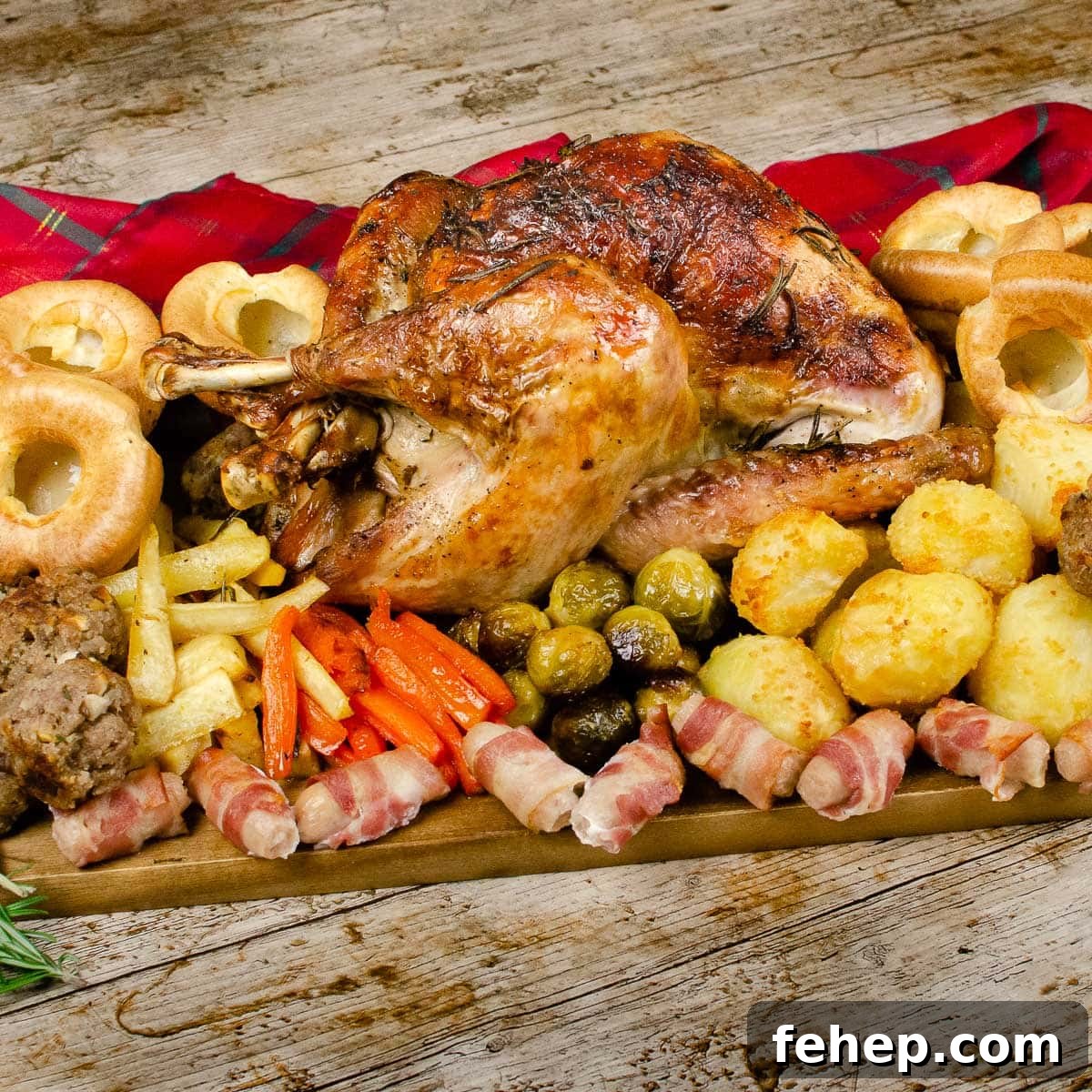
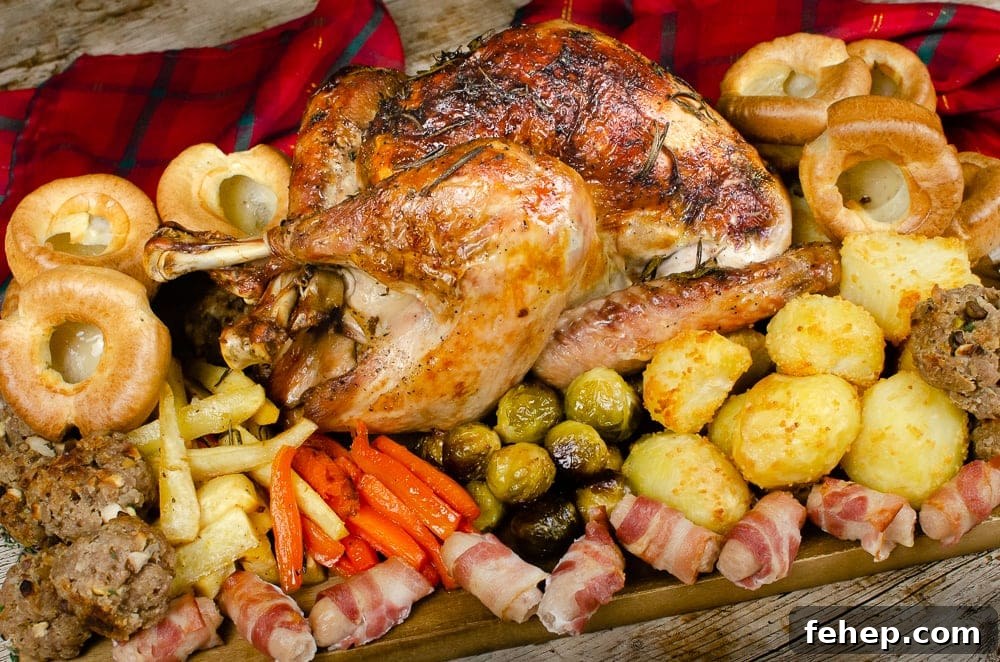
Christmas is almost here, and if you’re looking for clear, simple guidance on roasting a small whole turkey, this is for you. This recipe delivers a tender, flavorful turkey between 2kg and 4kg (4.5lb–9lb) and walks you through every step for a perfect roast turkey Christmas dinner.
This guide covers where to buy a small turkey, whether to choose fresh or frozen, how to defrost safely, what to use to add flavor, removing the wishbone, trussing, cooking times, temperatures, resting and carving. Follow the recipe card below for a step-by-step process and photos for each stage.
How do you prepare and cook a Small Whole Turkey?
If you want the essentials, use the recipe card and images below for a clear step-by-step. The blog images show wishbone removal, trussing and carving if you need visuals.
Step by Step Recipe
Small Whole Turkey – How to Prepare and Cook
This recipe is for a tender whole turkey between 2kg and 4kg. It covers buying, defrosting, seasoning, wishbone removal, trussing, cooking times, glazing and carving.
Equipment
- Roasting tin with rack (or a tray and vegetables as a rack)
- Cooking thermometer
- Kitchen twine
- Silicone oven gloves or turkey tongs
Ingredients
- 3.6 kg turkey (adjust size as needed)
- 100 g unsalted butter, softened
- Fresh thyme and rosemary (a few sprigs)
- Salt and pepper
For the cavity
- 1 onion, quartered
- 1 lemon, quartered
- A handful of fresh thyme & rosemary
For the tray base (and gravy)
- 2 onions, halved
- 2 carrots, cut into quarters
- 500 ml chicken or vegetable stock
Glaze (for the final 40 minutes)
- 3 tbsp olive oil
- 3 tbsp maple syrup
- 2 sprigs fresh thyme
- 2 sprigs fresh rosemary
- Salt and pepper
Instructions
- Take the turkey and butter from the fridge and let them sit at room temperature for 30 minutes.
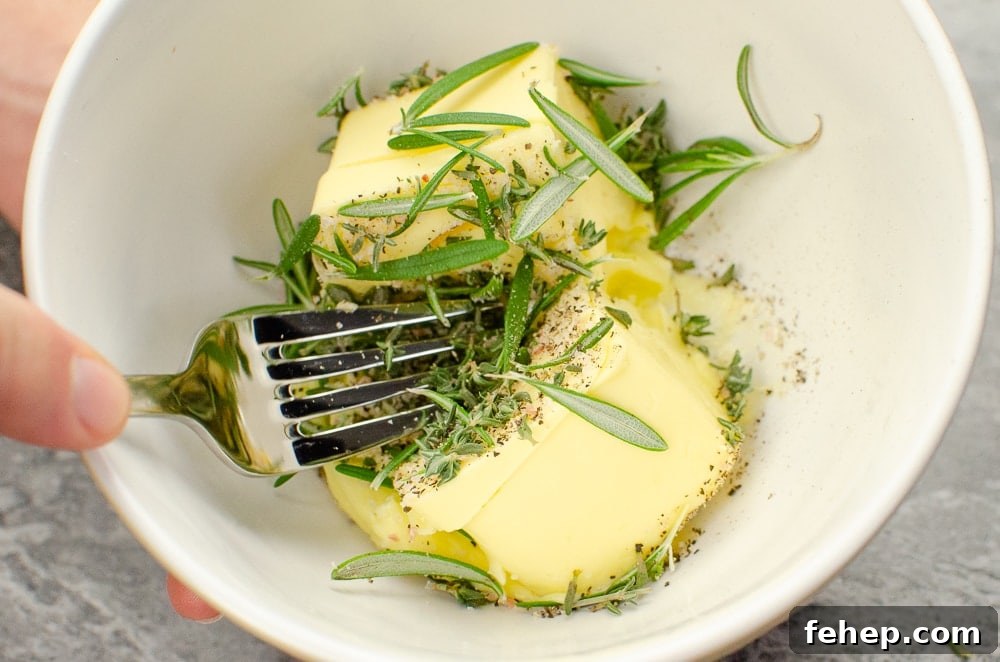
- Mix the softened butter with chopped rosemary, thyme, salt and pepper.
- Preheat the oven to 180°C fan (190°C conventional) / 375°F (Gas Mark 5). Pat the turkey dry and remove giblets and the neck from the cavities.
- Remove the wishbone before cooking to make carving easier.
- Stuff the cavity with quartered lemon, onion and fresh herbs.
- Gently rub the herby butter under the skin and all over the breast, legs and wings.
- Truss the turkey with kitchen twine so it cooks evenly.
- Place chopped onions and carrots in the roasting tray to create a rack. Set the turkey on top, season with salt and pepper and pour stock into the tray around (not over) the turkey.
- Cover loosely with foil, tucking under the long sides of the tray only. Roast covered, removing the foil 40 minutes before the end of the cooking time to glaze and brown.
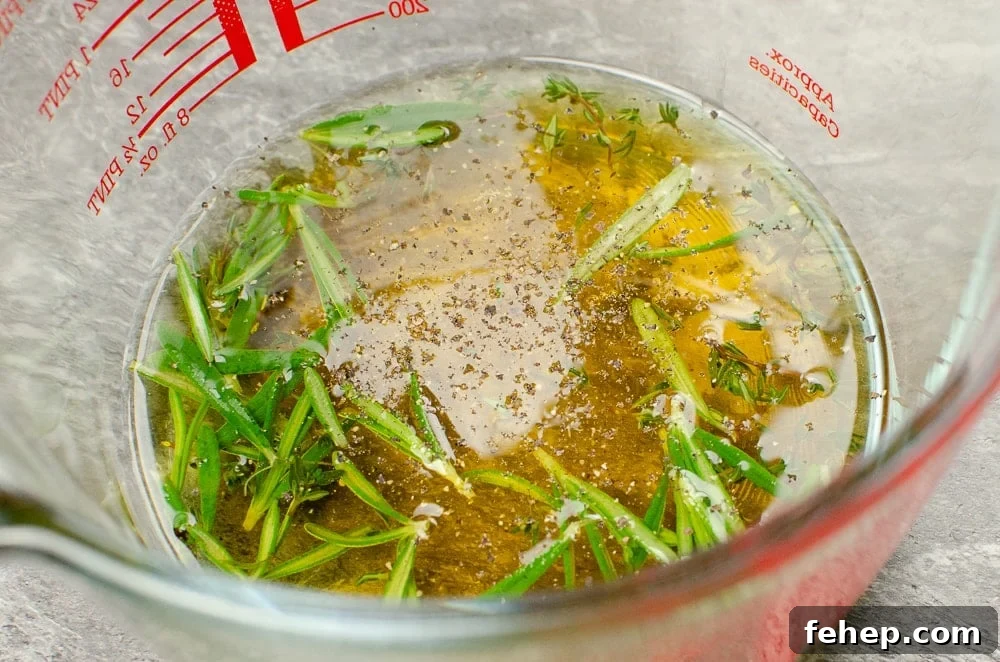
- Mix the glaze ingredients. Forty minutes before the end, remove the foil, baste the turkey with the glaze and return uncovered to the oven to brown.
- When cooked (see temperature below), transfer the turkey to a board and cover loosely with foil. Rest for at least 30 minutes (up to 1.5 hours) before carving.
- Reserve the pan juices and vegetables to make gravy from the drippings.
- Carve the turkey by removing legs, then breasts, then wings. Slice the breasts and serve with your chosen trimmings.
Video
Nutrition (per serving)
Calories: 572 kcal | Carbs: 16 g | Protein: 75.2 g | Fat: 21.9 g | Saturates: 5 g | Sugar: 10 g | Fiber: 2 g
Tried this recipe? Share a photo on social media and tag @flawlessfooduk or use #flawlessfooduk.
This post was originally published on 03/11/2020 and updated on 20/09/2023 with more serving suggestions and fresh advice.
What size turkey do I need for a small family?
The photos in this post show a 3.6kg turkey, which fed a family of four (two adults, two children) with leftovers. Use the guide below to estimate servings:
| Whole Turkey Weight | Servings |
| 2kg / 4.5lb | 4 people |
| 2.6kg / 6lb | 5 people |
| 3kg / 6.5lb | 6 people |
| 3.6kg / 8lb | 7 people |
| 4kg / 9lb | 8 people |
Smallest whole turkey
About 2kg is typically the smallest whole turkey available. If you need a smaller joint, consider a turkey crown.
Where to buy a small turkey
Small whole turkeys are widely available year-round in many supermarkets and butchers. Frozen small turkeys are common and convenient.
Frozen or fresh?
Fresh can be slightly better, but good-quality supermarket frozen turkeys are flash-frozen to preserve texture and flavor. Frozen is a perfectly acceptable option and can be more convenient.
Are small turkeys more tender?
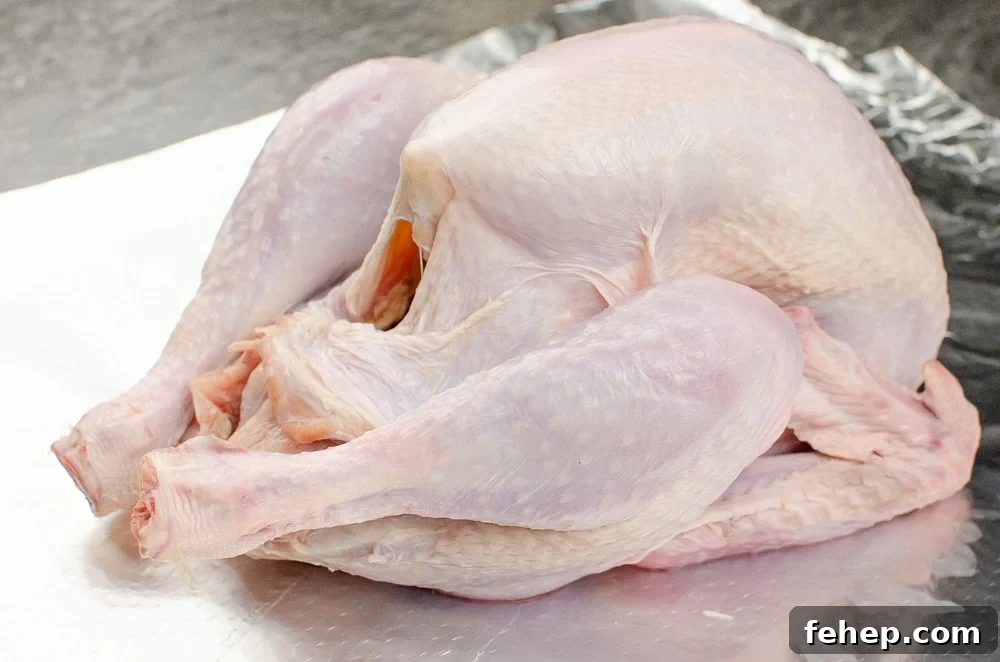
Smaller turkeys are usually younger and often more tender and juicy when roasted.
How to defrost a frozen Small Whole Turkey
Defrost the turkey in a container to catch any juices and place it in the fridge. Allow ample time—typically one to two days depending on weight—so it thaws thoroughly and safely.
| Frozen Weight | Fridge Defrost Time |
| 2kg / 4.5lb | 20 hrs |
| 2.6kg / 6lb | 25 hrs |
| 3kg / 6.5lb | 30 hrs |
| 3.6kg / 8lb | 35 hrs |
| 4kg / 9lb | 40 hrs |
Can I cook a turkey from frozen?
Cooking a whole turkey from frozen is not recommended unless the manufacturer specifically states it is safe. Cooking from frozen takes longer and risks uneven cooking and dryness.
Preparing a small whole turkey for roasting
Use a large sheet of foil or disposable surface to avoid cross-contamination while prepping. Remove the bird from its packaging and discard any excess juices. Pat dry with kitchen paper; do not wash.
Remove giblets?
Remove the giblets and neck from the cavities. You can discard them or use them for stock, but many prefer to make gravy from the pan drippings.
Removing the wishbone
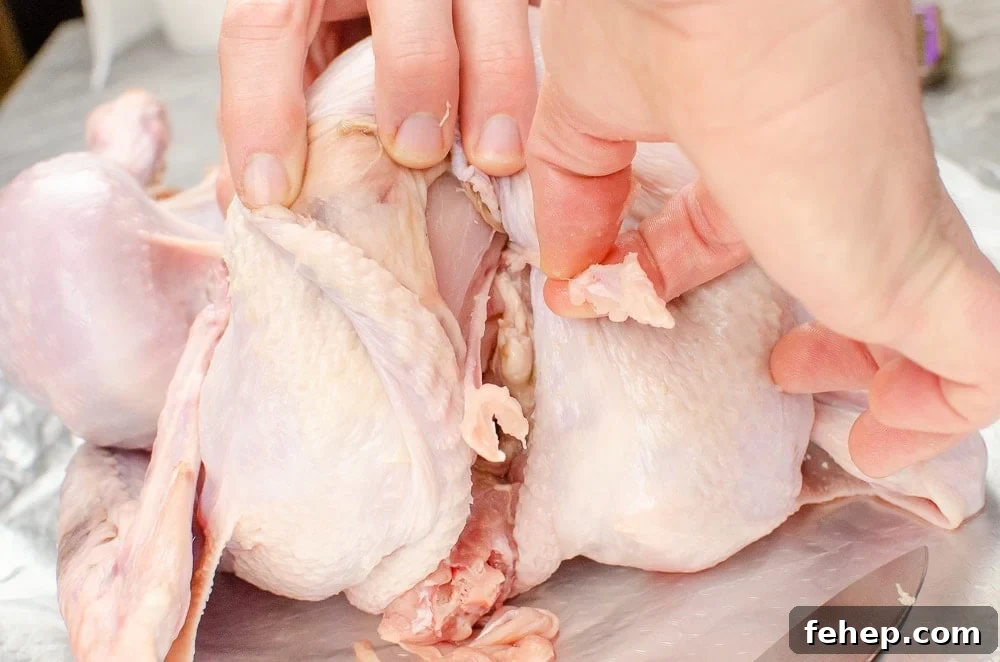
Removing the wishbone before cooking makes carving easier. Slide your fingers under the neck skin to find the v-shaped bone and cut either side with a sharp knife, then wiggle it out carefully.
Should you stuff the turkey?
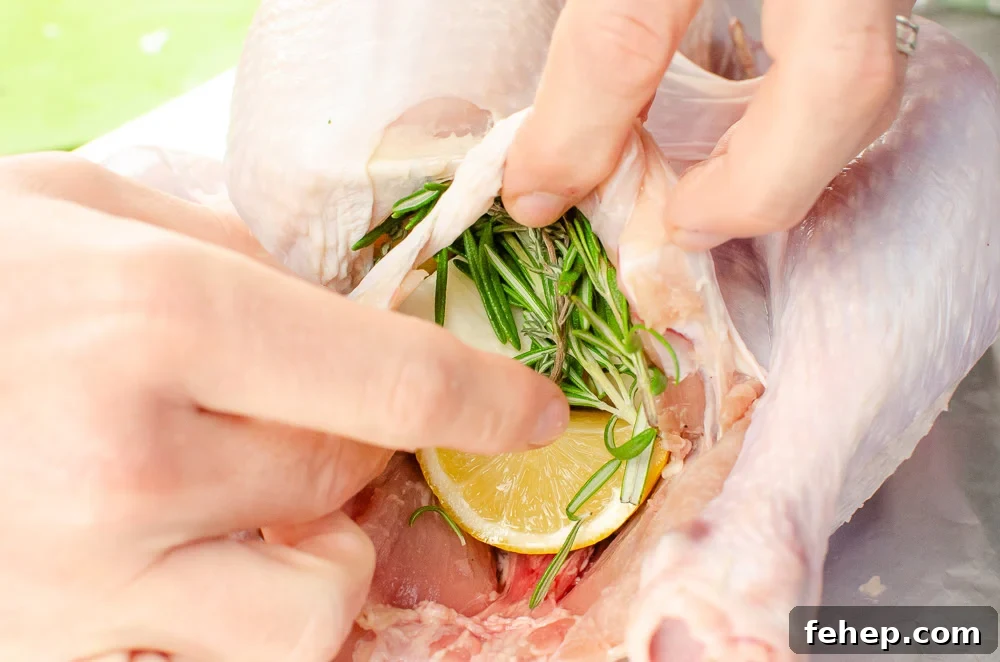
For a small turkey, we recommend filling the cavity with aromatics (onion, lemon and herbs) rather than dense stuffing, which can affect cooking. Serve stuffing separately.
Ways to add flavour
Quartered lemon and onion plus sprigs of rosemary and thyme in the cavity add gentle flavor and help produce tasty pan juices for gravy.
Keeping the meat moist
Rub herby butter under the skin and over it to baste the turkey from the inside out. Place stock in the tray and use vegetables as a rack to lift the bird off the base—this helps steam and keeps meat juicy.
Stopping wing tips from burning
Tuck the wing tips under the neck area or under the body to prevent them from burning during roasting.
How to truss a whole turkey
Truss the turkey to keep it compact and cook evenly. Wrap kitchen twine under the wings, around the breast, and tie the legs together tightly, trimming any excess string.
What to cook the turkey in
A standard roasting tin is fine for a small turkey. A roasting rack is ideal, but chopped vegetables make a good substitute and add flavor for gravy.
What to add to the roasting pan
Use chopped onions and carrots as a rack and add around 500ml stock to the tray (not touching the turkey). The stock helps keep the turkey moist and provides the base for gravy.
Should I cover with foil?
Cover the turkey loosely with foil and remove it 40 minutes before the end of cooking to apply the glaze and brown the skin. Do not wrap the foil tightly around the bird.
Cooking times for small turkeys
| Weight | Oven time at 180°C fan / 190°C conventional / 375°F |
| 2kg / 4.5lb | 1 hr 50 min |
| 2.6kg / 6lb | 2 hr 00 min |
| 3kg / 6.5lb | 2 hr 10 min |
| 3.6kg / 8lb | 2 hr 20 min |
| 4kg / 9lb | 2 hr 50 min |
Cooking temperature
These times are based on a fan oven at 180°C (190°C conventional) / 375°F. Always rest the bird for at least 30 minutes loosely covered with foil so juices redistribute.
Do I need to baste?
Small turkeys do not require frequent basting. Baste once when you apply the glaze for the final 40 minutes.
Turkey glaze
The glaze of olive oil, maple syrup, rosemary and thyme adds flavor and helps create a golden-brown finish. Apply 40 minutes before the end of cooking and leave uncovered to brown.
How to check if your turkey is cooked
Use a meat thermometer or check that the juices run clear from the thigh. Insert the thermometer into the thickest part of the thigh, avoiding bone. The safe internal temperature is 75°C (165°F).
Checking juices
Pierce the thickest part of the thigh with a knife or skewer—juices should run clear. If pink, return the turkey to the oven and check again after 15 minutes.
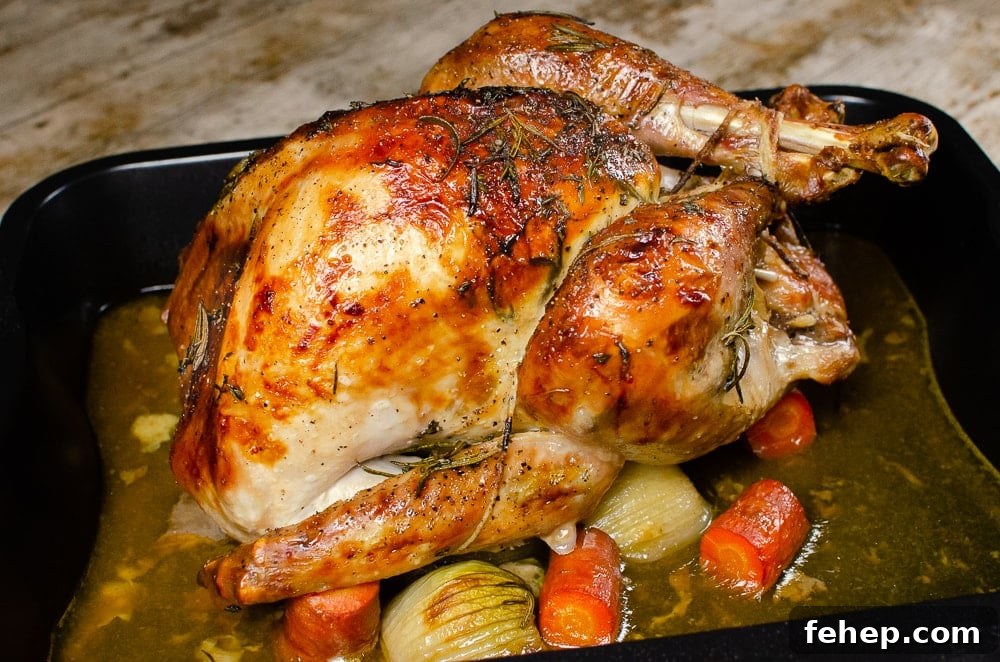
Why rest a cooked turkey?
Resting allows juices to settle and redistribute, making the meat juicier and easier to carve. Rest the turkey loosely covered with foil for a minimum of 30 minutes and up to 90 minutes if needed.
Pink leg meat
Smaller turkeys can show pinker meat near joints even when fully cooked. If the juices run clear and the temperature is right, it is safe to eat. If concerned, remove legs and return them to the oven for a short time.
Leftover stock and drippings
Use the pan juices and vegetables to make a rich gravy. The drippings make excellent turkey gravy—use the roasting liquid, reduce and season to taste.
How to carve a small whole turkey
Carving order: legs, then breasts, then wings. Cut the leg away at the joint; follow the breastbone to remove the breast and slice it; twist and cut the wings away at the joint.
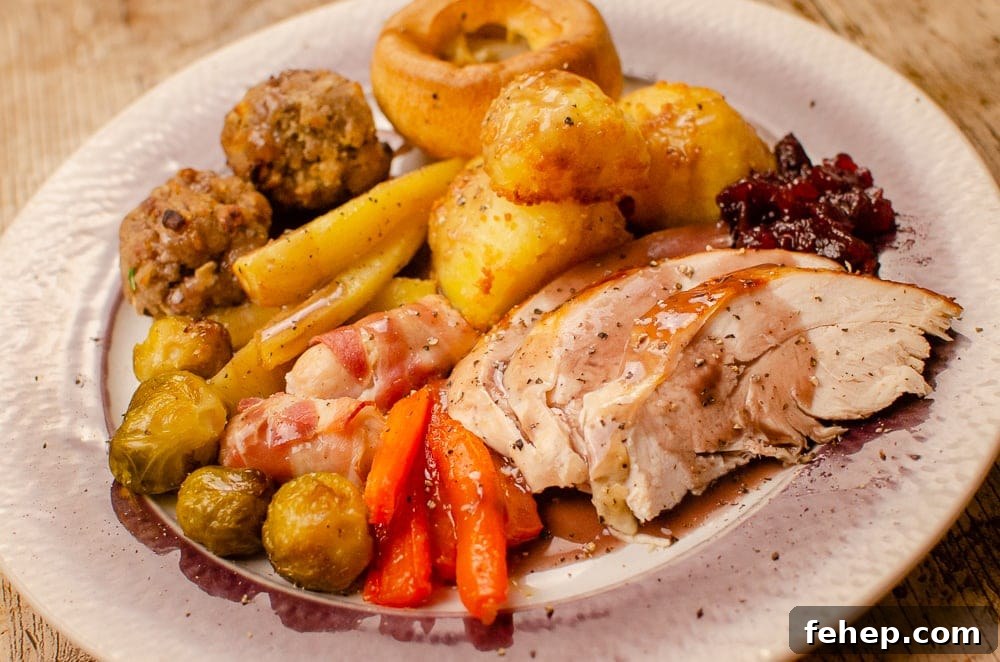
What to serve with roast turkey
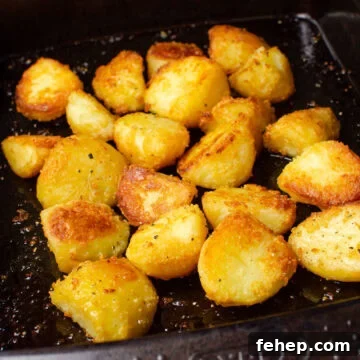
Classic sides include roast potatoes, glazed parsnips and carrots, Brussels sprouts, stuffing, pigs in blankets, Yorkshire puddings, gravy and cranberry sauce. Choose a few favorites to complement the turkey.
 Goose Fat Roast Potatoes
-
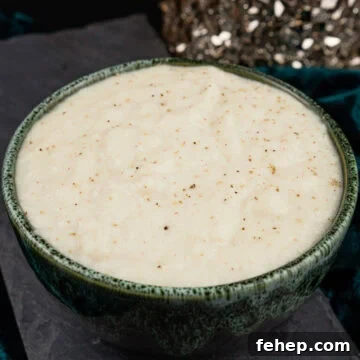
Bread Sauce
-
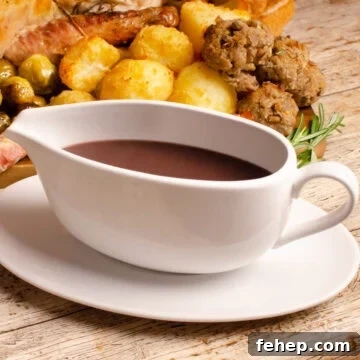
Turkey Gravy from Drippings
Leftover turkey
Store leftovers in the fridge within 90 minutes of serving. Cooked turkey will keep in the fridge for up to four days. Reheat only once: in the oven wrapped in foil with stock at 180°C for about 30 minutes or in the microwave with a little gravy or stock until piping hot.
More Christmas recipes
-
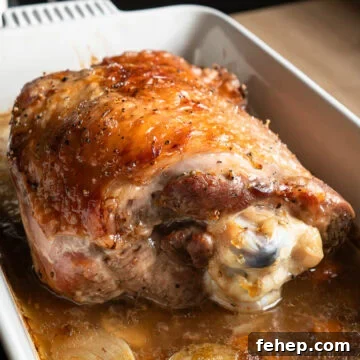
Turkey Thigh Slow Cooked
-
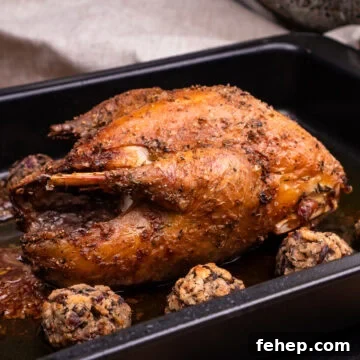
Oven Roast Pheasant with Herb Butter
We hope this guide helps you cook a delicious small turkey for your holiday. Enjoy the meal and Happy Christmas!