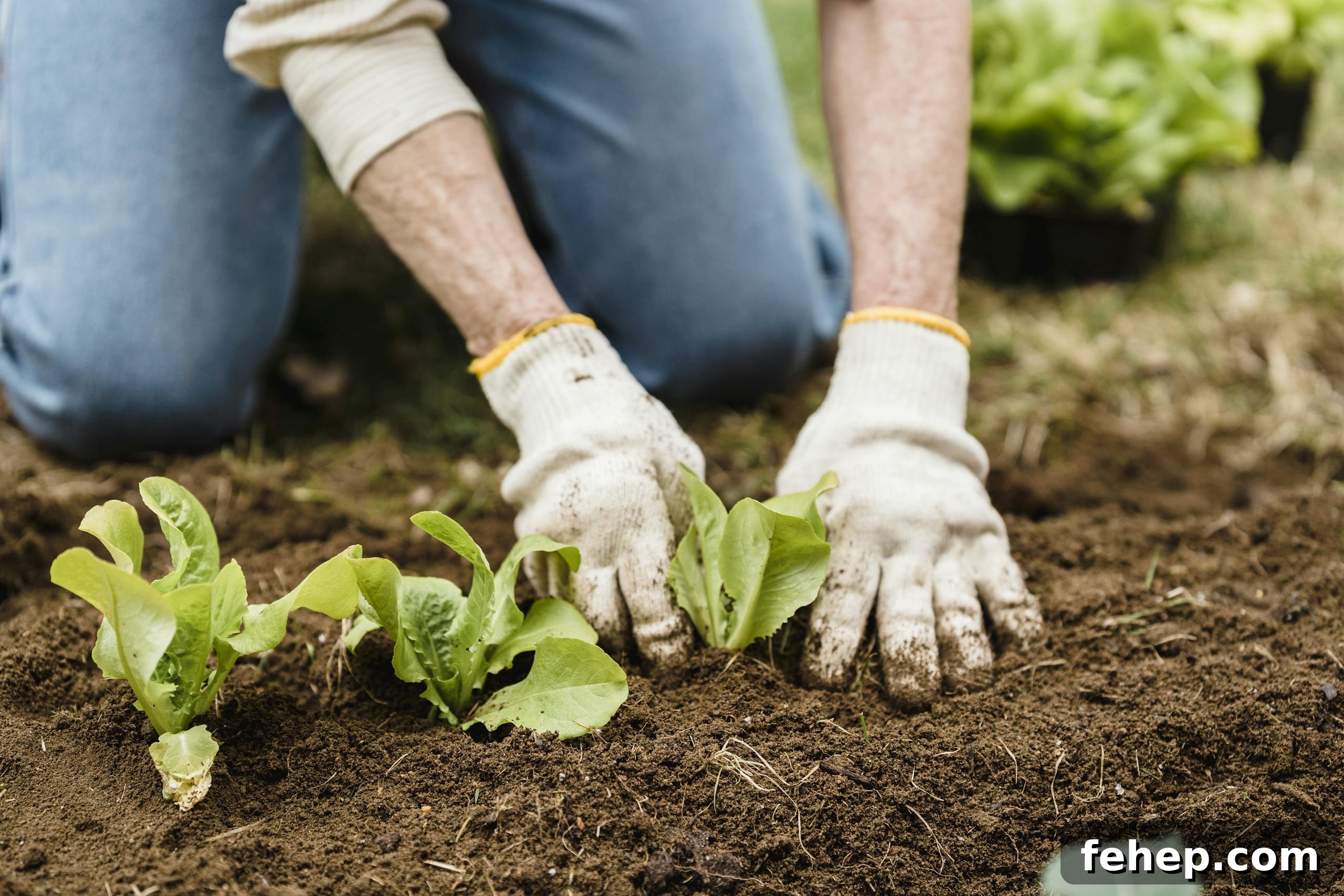
With winter approaching, many gardeners feel disappointed as their outdoor growing season winds down. But there are plenty of vegetables and herbs you can sow before the first frost — and some that tolerate cooler temperatures well. Whether you garden in beds, containers, or indoors, these options will help you keep a productive and attractive garden through the colder months.
Below are practical winter-friendly choices that are easy to grow and reward you with fresh produce when much of the garden has gone dormant. Planting at the right time and offering simple protection on very cold nights will extend harvests and maintain momentum into spring.
Garlic
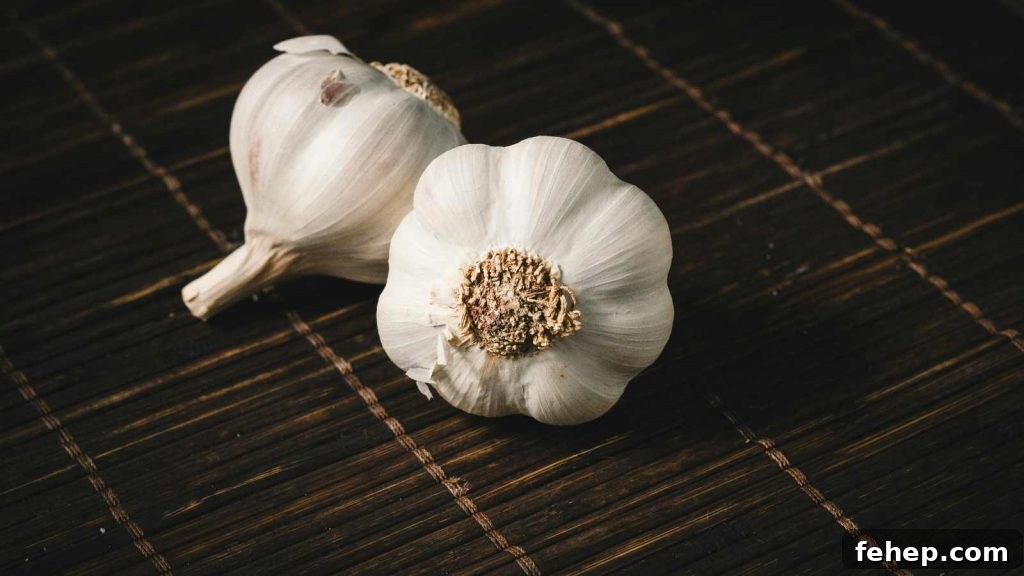
Garlic is a classic autumn planting. Plant individual cloves a few weeks before the ground freezes; they overwinter underground and resume growth in spring. Garlic is low-maintenance and stores well, making it an excellent addition to both beginner and experienced gardens.
Spinach
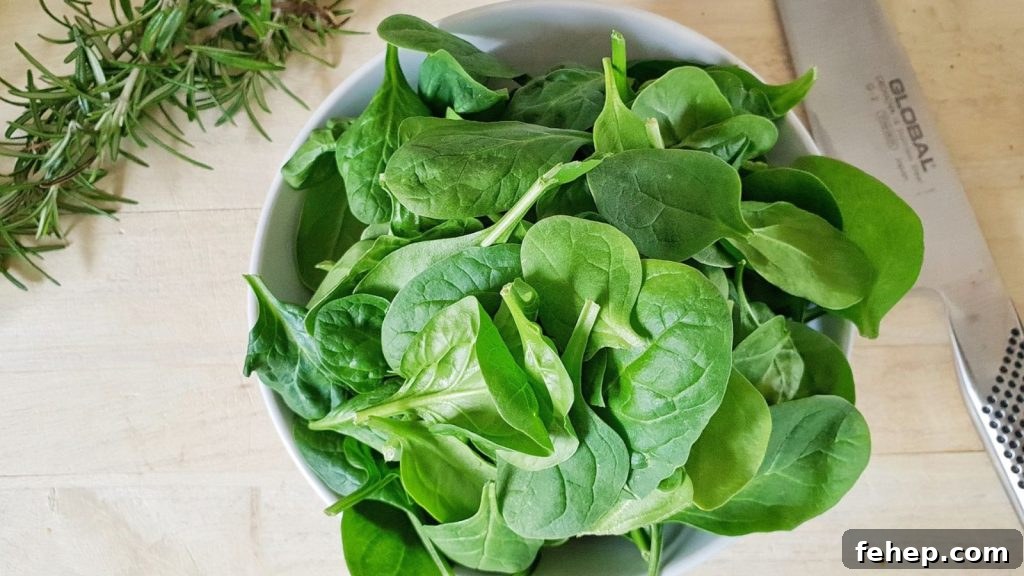
Spinach thrives in cool weather and tolerates light frosts, so sowing it in late summer or early fall yields fresh leaves as temperatures drop. It matures quickly and provides tender greens for salads, sautés, and smoothies.
Carrots
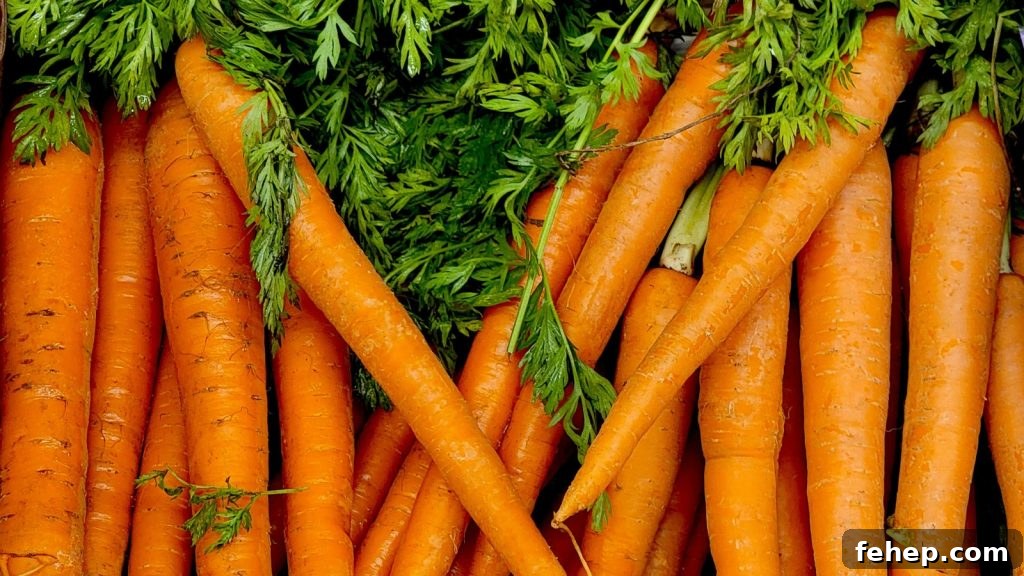
Although often associated with summer, carrots prefer cool conditions and can be sown in late summer or early fall. Chilled soil helps them develop sweeter roots, and they can be harvested throughout winter if the ground is workable.
Kale
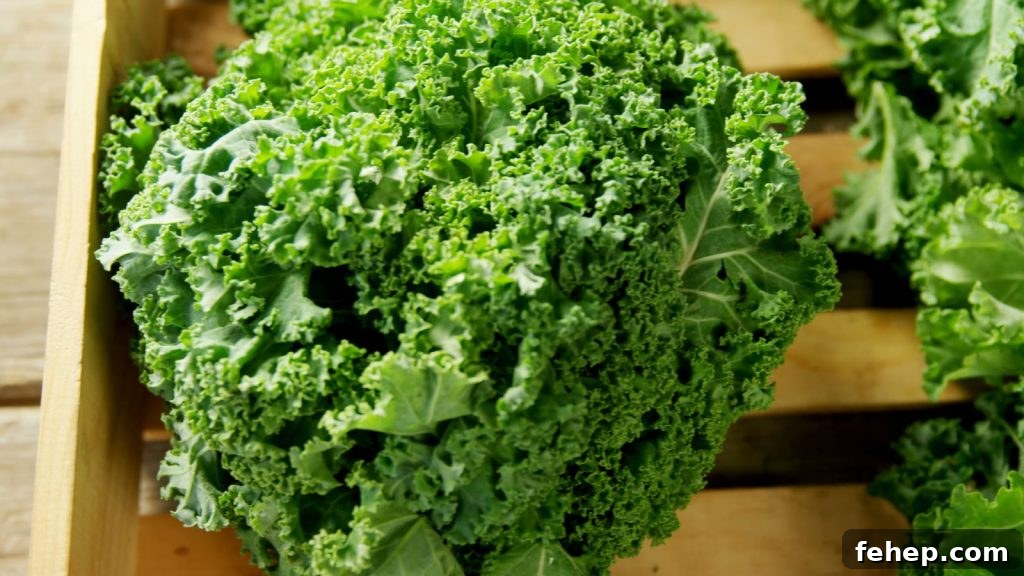
Kale is exceptionally cold-hardy and often becomes sweeter after frost. Sow in late summer or early fall to enjoy nutritious leaves through winter. Use kale in soups, smoothies, or stir-fries for year-round greens.
Radishes
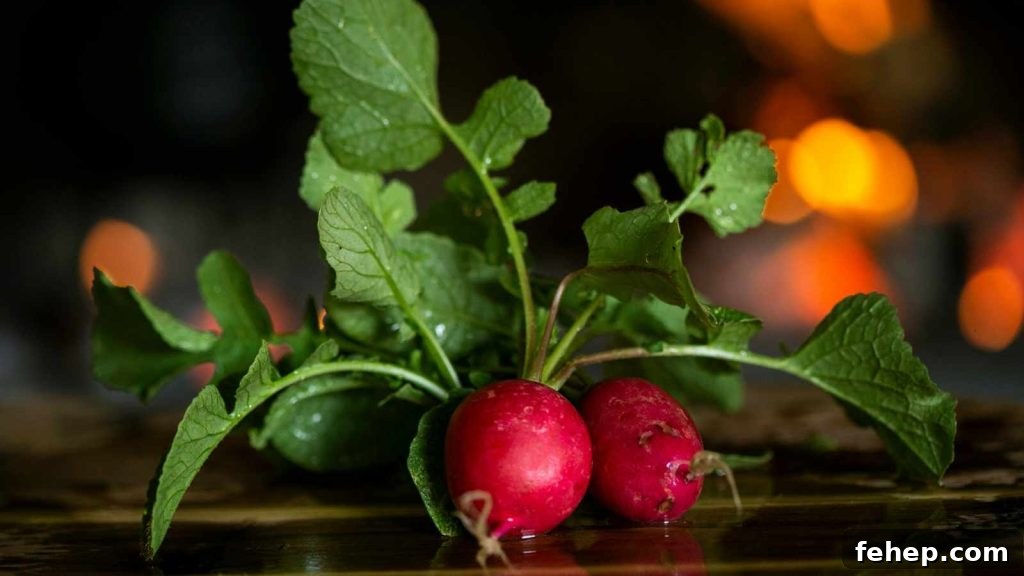
Radishes are among the fastest-growing vegetables and can be ready in as little as a month. They tolerate cooler weather and are perfect for quick fall sowings. Their crisp, peppery roots add instant interest to salads and snacks.
Lettuce
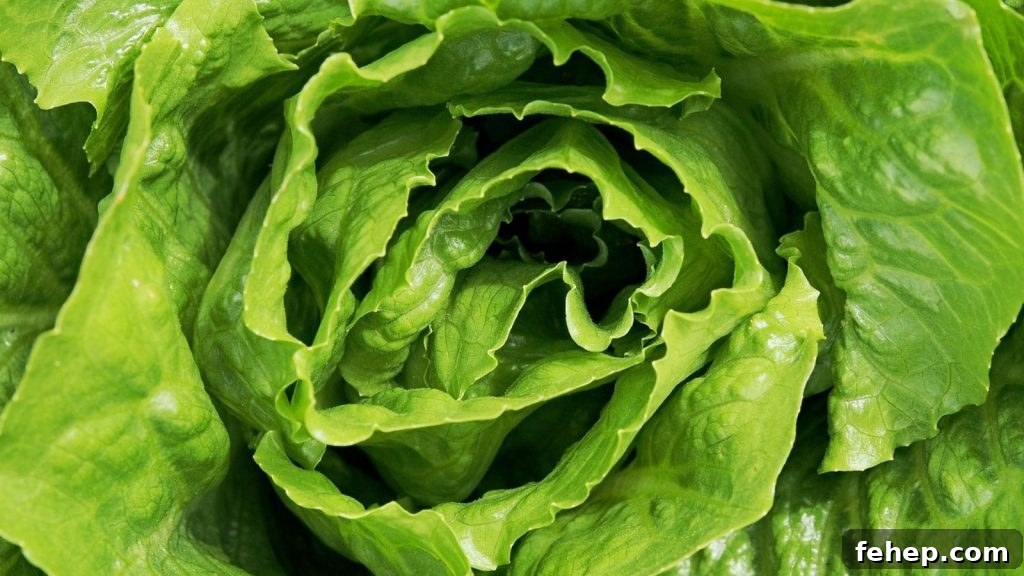
Many lettuce varieties flourish in cool weather and tolerate light frosts. Plant them in late summer or early fall to keep harvesting fresh salad leaves into winter. A simple floating row cover on the coldest nights can prolong their productivity.
Onions
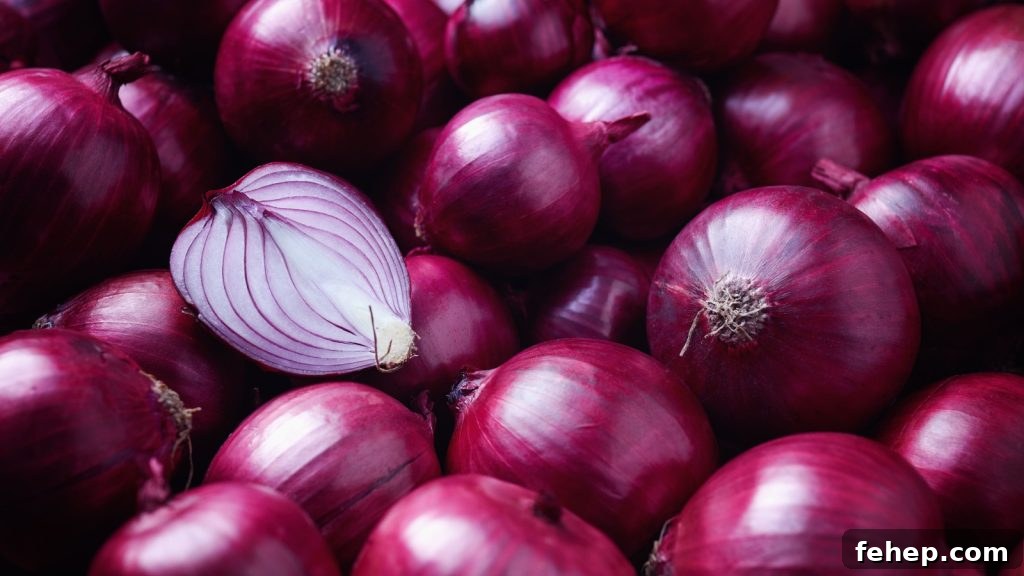
Planting onion sets in fall gives them a head start; they’ll establish roots and then continue slow growth over winter, ready to develop tops in spring. Onions require minimal care: plant, mulch, and wait for the next season.
Beets
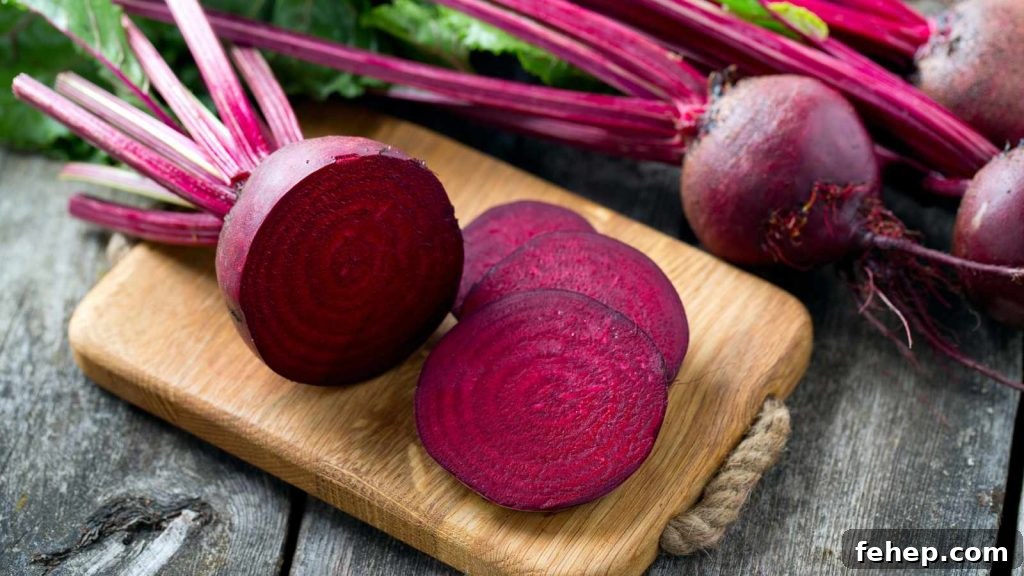
Beets are another root crop that benefits from cool weather and light frost, which can enhance their flavor. Sow in late summer or fall for roots and tender greens that hold well through chilly periods.
Broccoli
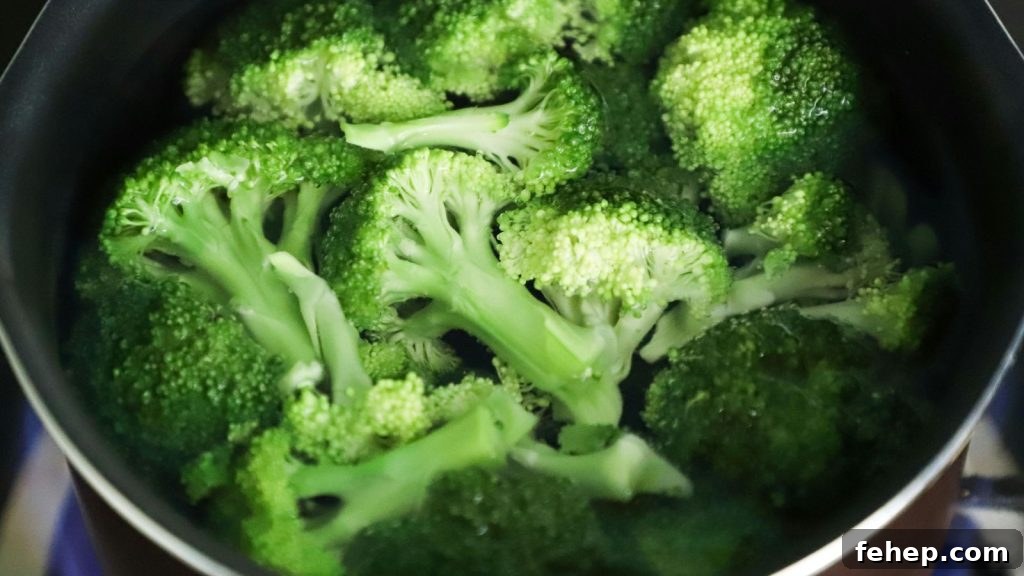
Broccoli prefers cool conditions and endures light frost, making it ideal for fall planting. Start seedlings in late summer or sow directly in early fall to enjoy homegrown heads well into cooler months — much fresher than store-bought.
Peas
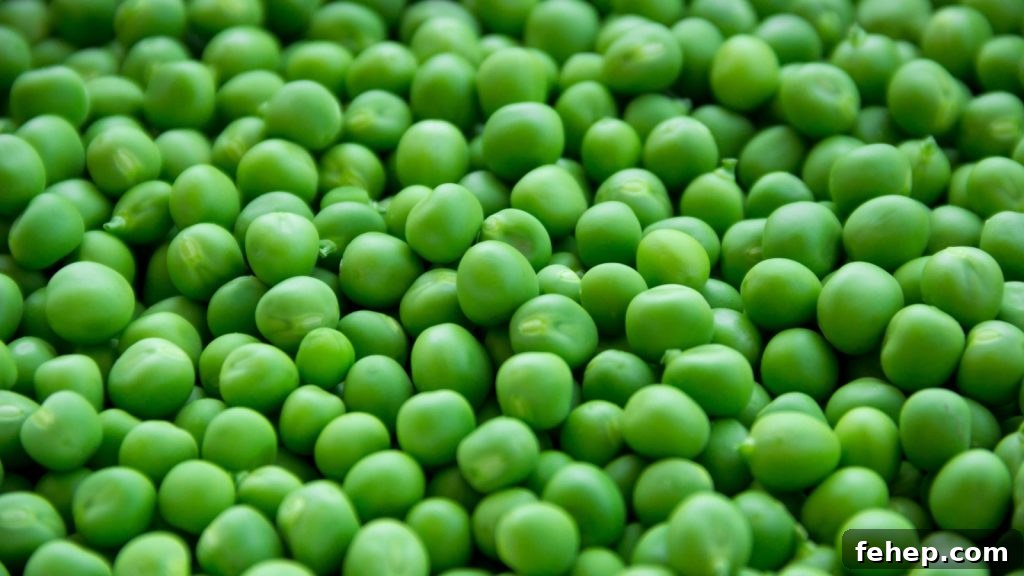
Peas are surprisingly cold-hardy and can be sown in cool weather for an early spring harvest. They make a tasty, nutritious snack right off the vine and are excellent in stir-fries, salads, and soups.
Swiss Chard
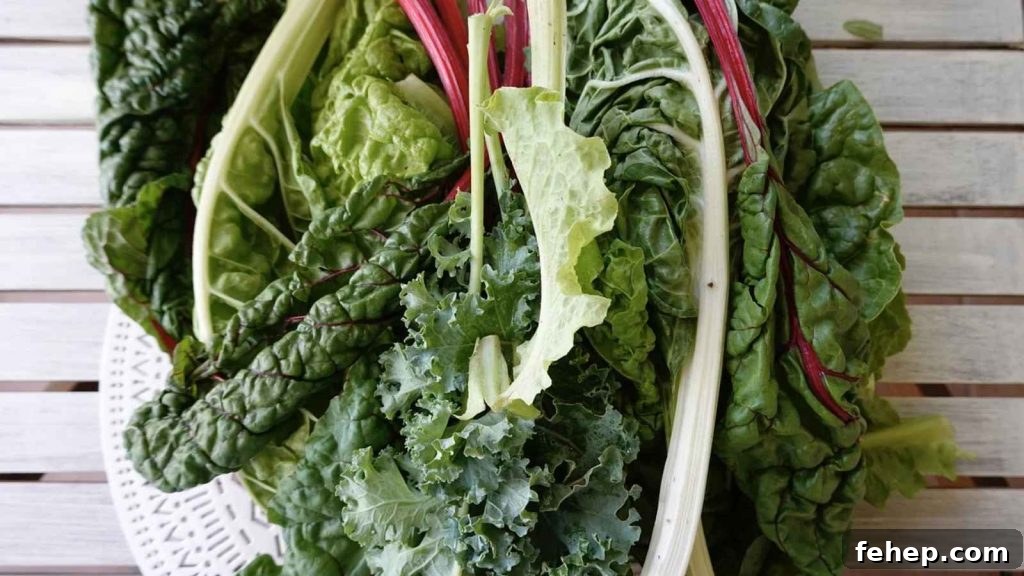
Swiss chard is decorative and hardy, tolerating light frost while producing colorful stems and robust leaves. It grows steadily and produces multiple harvests, making it a valuable green for fall and winter gardens.
Cabbage
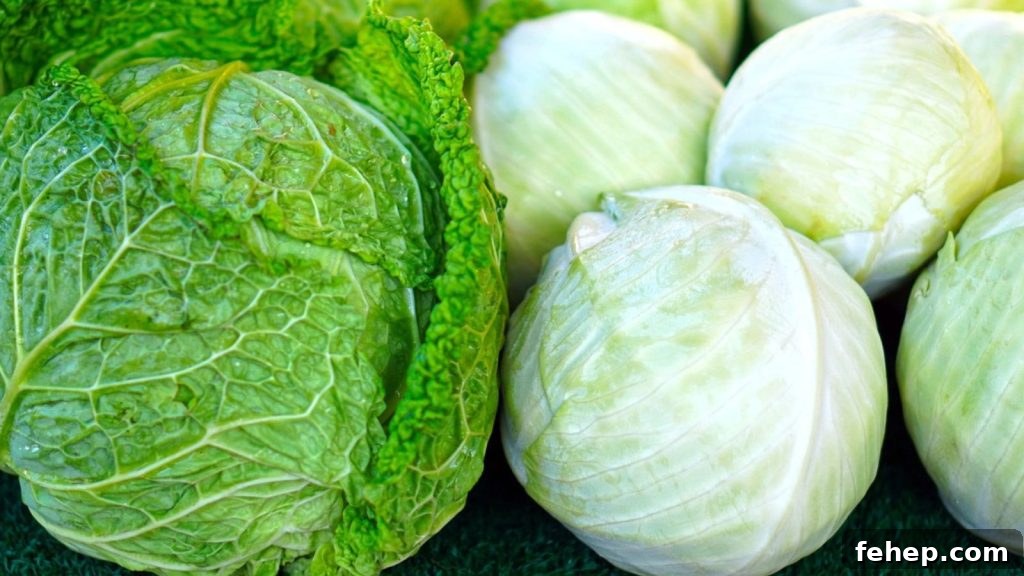
Cabbage appreciates cool weather and light frosts, which help heads form compactly and develop good flavor. Although it takes time to mature, planting now yields substantial crops ideal for winter recipes, soups, and fermentation projects like sauerkraut.
Parsley
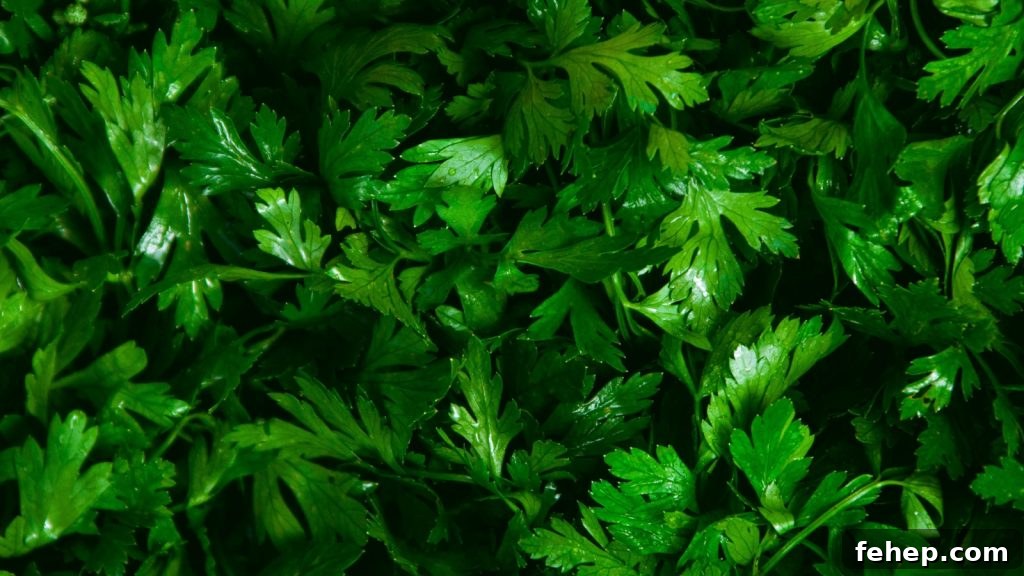
Parsley is a cold-tolerant herb that can survive frost and even snow in many regions. Sow it in fall for a steady supply of fresh leaves through winter, or bring pots indoors if temperatures become extreme. Fresh parsley is a handy, flavorful addition to winter cooking.
With a little planning and timely sowing, your garden can keep producing well into the colder months. Choose varieties suited to your climate, use mulch or row covers when needed, and enjoy fresh, homegrown produce year-round.