You may have heard of diastatic malt powder but not be sure what it is or how to use it. This article explains how diastatic malt powder benefits sourdough baking, how and when to add it, how much to use, and how to make it at home.
What Is Diastatic Malt Powder?
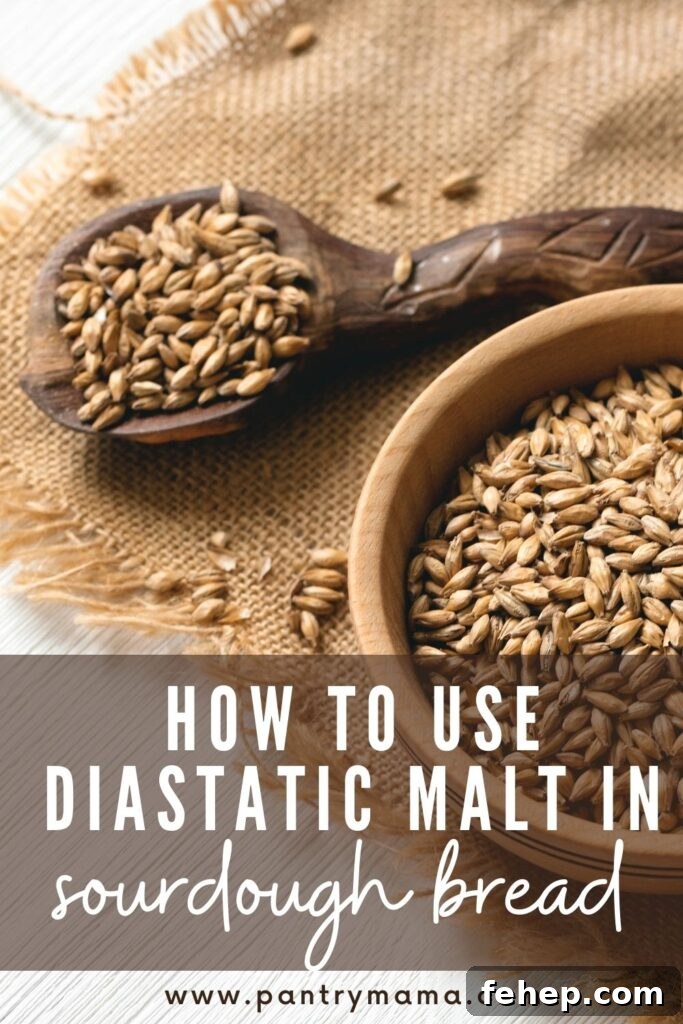
Diastatic malt powder is a useful ingredient for sourdough and other yeasted breads. It’s made from sprouted wheat or barley that is gently kilned at low temperatures so its enzymes—mainly amylase—remain active. The dried malted grains are then ground to a fine powder that can be mixed with flour.
Those active enzymes help break down starches into simpler sugars, giving yeast an easier food source and improving fermentation. In the United States many commercial bread flours already include diastatic malt, but in other countries you may need to add it yourself to get the same benefits.
What Does Diastatic Malt Powder Do To Sourdough?
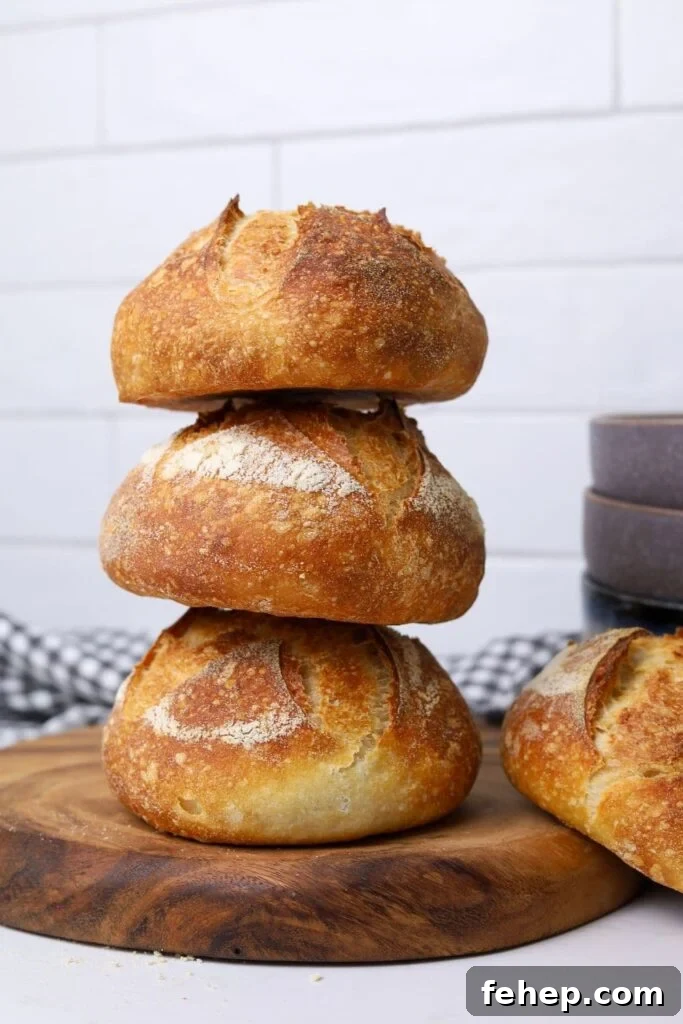
Diastatic malt introduces active enzymes that convert complex starches in flour into simple sugars. This supports yeast activity and can speed bulk fermentation, often improving oven spring. Because more reducing sugars are present when the loaf goes into the oven, the crust browns more deeply through the Maillard reaction, producing richer color and flavor.
In short, diastatic malt powder can provide:
- Stronger, more efficient fermentation and improved rise
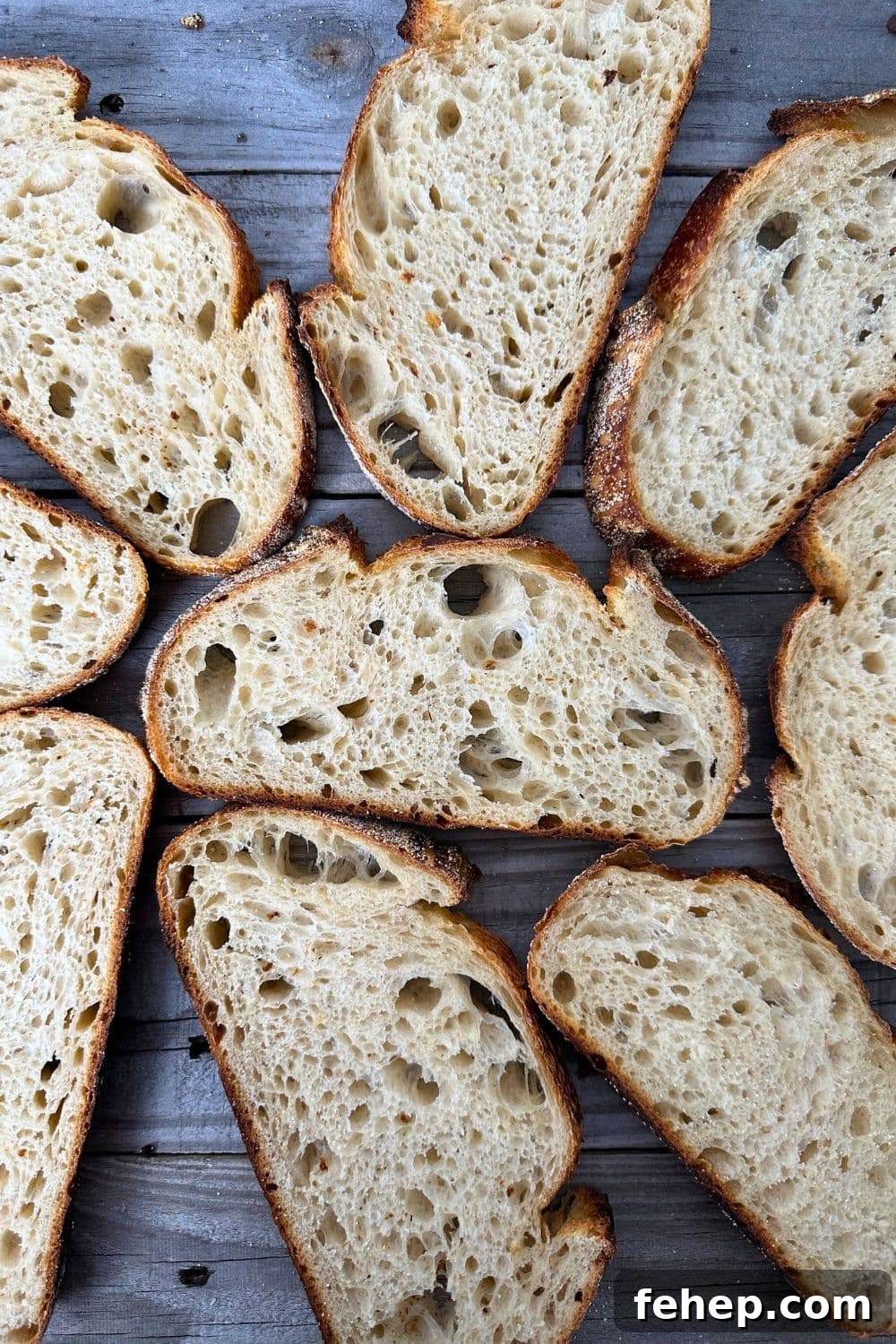
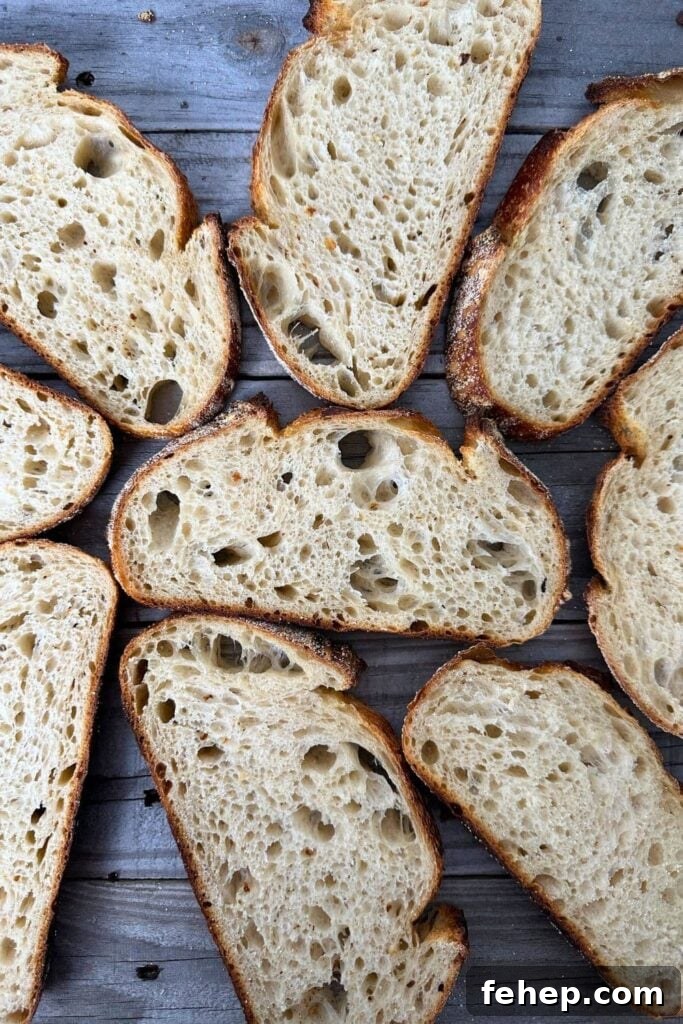
- Better texture with a more open crumb
- Deeper, caramelized crust color and enhanced flavor
When To Add Diastatic Malt To Sourdough
Add diastatic malt powder to the dry flour before combining with water and salt. You can premix a larger batch of flour and malt for convenience, but keep in mind the enzymes gradually lose potency over time, so store premixed flour in a cool, dry place and use it within a reasonable period.
Diastatic malt is compatible with autolyse and can be mixed with flour and water during that stage.
How Much Diastatic Malt Powder To Use In Sourdough Bread?
Use 0.5% to 2% diastatic malt powder based on total flour weight. For 500 g of flour that equals roughly 2.5 g to 10 g of diastatic malt. Start at the lower end and adjust in later bakes if you want a stronger effect.
Diastatic Malt Powder vs Non Diastatic Malt Powder
The key difference is enzyme activity. Diastatic malt contains active enzymes that support fermentation, while non-diastatic malt has been roasted at higher temperatures so those enzymes are inactive. Non-diastatic malt still contributes flavor and color, making it a good choice for items like bagels where a deep caramel color is desired without extra enzymatic action.
Both are distinct from malted milk powder, which includes milk solids and is used for different applications.
Can You Make Diastatic Malt Powder At Home?
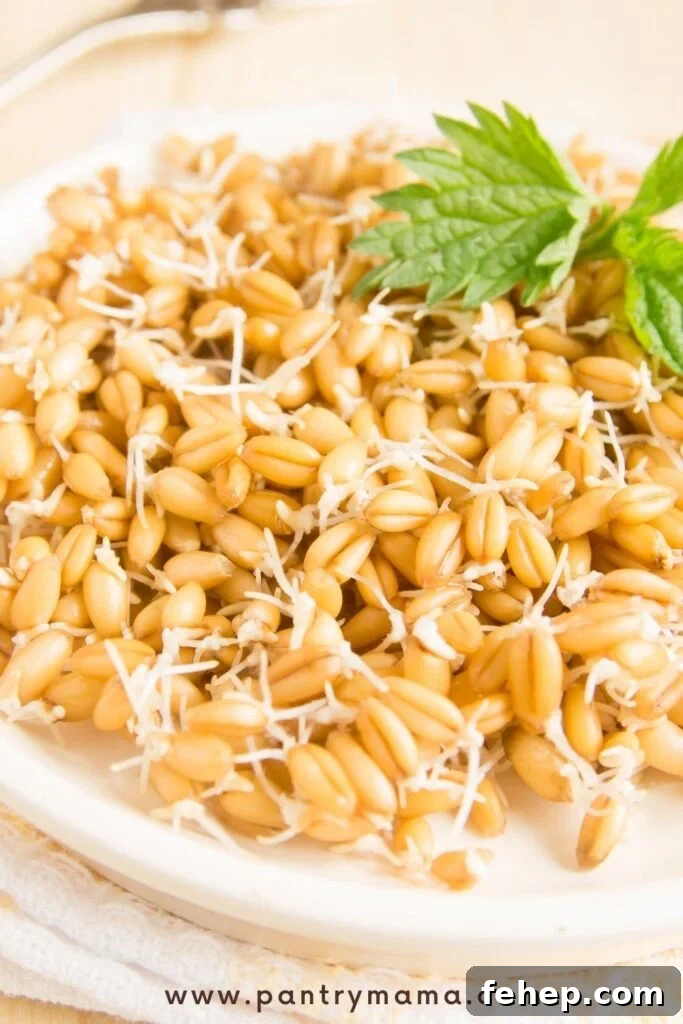
Yes. Making diastatic malt at home is straightforward. You need barley or wheat berries and a way to sprout, dry, and grind them. Basic steps:
- Soak and sprout grains until small white roots appear—only short sprouts are needed.
- Dry the sprouted grains at a low temperature (below about 40°C / 104°F) to preserve enzymes. A dehydrator set around 37°C works well; a very low oven or room-temperature air drying with good airflow can also work but takes longer.
- When fully dry and hard, grind the grains to a fine powder using a high-powered processor, spice grinder, or mortar and pestle.
Store homemade diastatic malt in a clean, airtight container in a cool, dry pantry; it should keep well for many months if kept dry.
Is There A Substitute for Diastatic Malt Powder?
There’s no exact substitute that replicates the enzymatic action of diastatic malt. However, you can achieve some similar outcomes through other techniques:
- Use baking and baking-surface techniques to encourage deeper crust color.
- Strengthen your sourdough starter and feeding schedule to increase fermentation power.
- Adjust hydration and handling to help create a more open crumb.
Adding plain sugar can help crust color and rise, but excess sugar can interfere with gluten development and is not a direct replacement for diastatic malt.
Further Reading
If this guide was helpful, you might also be interested in related sourdough topics such as developing crust blisters, working with vital wheat gluten, or techniques for achieving a pronounced sourdough ear.