Many people come to the conclusion that their hormones are “off” after months or years of sensing something is wrong: fluctuating energy, mood shifts, intense cravings, poor sleep, digestion issues, skin changes, or an altered menstrual cycle. It can feel like the body has stopped cooperating. The immediate question is often: are my hormones broken?
Note: This article is educational and not a substitute for medical care. Hormonal symptoms have many causes; if symptoms are severe or worsening, seek testing and professional evaluation.
It’s understandable to reach for the word “hormones” — it often fits the experience. But sometimes that question narrows the focus too quickly. While some people have diagnosable hormonal disorders, many are dealing with hormonal dysregulation rather than a fundamentally defective endocrine system. Those situations require different approaches.
Hormones Are Timing Signals, Not Fixed Numbers
Think of hormones as chemical messengers that also communicate timing. They tell the body when to wake, sleep, digest, release energy, store energy, ovulate, repair tissue, respond to stress, and recover.
“Balance” can be misleading because hormones are meant to rise and fall. Cortisol should peak in the morning and decline through the day. Melatonin rises after dark. Insulin responds to meals. Estrogen and progesterone shift across the menstrual cycle. So the key question is not only “how much” of a hormone you have, but whether it’s rising and falling at the right times. Dysregulation means the timing and signaling have become inconsistent, which can happen even when individual hormone levels fall within reference ranges.
How Hormonal Dysregulation Builds in Layers
Dysregulation often develops gradually, in layers, rather than appearing suddenly.
✤ The first layer: hereditary terrain
Some people have narrower physiological margins due to genetics, family history, life stage, gut health, or nervous system sensitivity.
- Genetic tendencies: influence hormone production, conversion, and clearance. Family histories of thyroid disease, autoimmune conditions, blood sugar problems, or difficult menopause can increase sensitivity.
- Life stage: puberty, postpartum, and perimenopause are times of natural hormonal flux and greater vulnerability.
- Gut health: the gut helps produce and metabolize hormones such as estrogen, serotonin, and thyroid-related compounds; long-standing gut issues often go unnoticed.
- Nervous system strain: chronic hyperarousal or shutdown shows up as tension, worry, brain fog, numbness, or irritability and affects hormonal regulation.
These factors aren’t a sentence to illness; they’re context. Knowing your starting place helps you understand what needs extra care.
✤ Layer two: disrupted rhythms
When daily and monthly rhythms don’t match what the body expects, misalignment builds over time.
- Poor sleep: foundational. Sleep supports hormonal reset. Chronic short, fragmented, or late sleep disrupts cortisol, melatonin, and hunger hormones.
- Irregular eating: unstable blood sugar leads the body to call on stress hormones and can worsen cravings and insulin sensitivity.
- Inadequate light exposure: late-night light or lack of morning light confuses the body clock and affects melatonin and cortisol timing.
- Excessive exercise without recovery: can suppress reproductive function and alter thyroid conversion.
- Persistent emotional pressure: chronic stress shifts cortisol and affects progesterone, mood, sleep, and thyroid function.
At this stage the body compensates so you can keep functioning. Signs may include wired-but-tired evenings, 2–4 a.m. awakenings, afternoon crashes, cravings, irritability, and trouble focusing—signals that your rhythm needs attention.
✤ Layer three: major triggers
Acute or prolonged stressors—illness, chemical exposures, postpartum changes, burnout, loss, chronic conflict, financial strain, or unresolved trauma—can overload regulatory systems. The stress response evolved for short-term threats; when activated long-term, adaptations reshape cortisol rhythms, nervous system state, and sensitivity of thyroid, reproductive, and metabolic systems. Over time, rhythm disruption can progress to endocrine imbalance or, in susceptible people, contribute to immune dysregulation.
A common progression: sensitive terrain ➢ disrupted rhythms ➢ major or repeated triggers ➢ system miscommunication ➢ compensation ➢ loss of flexibility ➢ endocrine imbalance and/or immune dysregulation.
Early symptoms are worth noticing because they often indicate the body adapting to too much, for too long. Ask: what pattern is my body adapting to, and where does it need support before compensation deepens?
What the Patterns Look Like
When layers compound, symptoms form recognizable patterns. You might notice daily energy dips, cravings after poor sleep, premenstrual anxiety, or increased reactivity during stress. These patterns reveal where compensation is occurring.
Energy and sleep signs include waking unrefreshed, needing caffeine, afternoon crashes, evening second winds, or waking at 2–4 a.m.—often indicating a shifted or flattened cortisol rhythm. Blood sugar patterns show as shakiness between meals, irritability relieved by eating, strong carbohydrate cravings, or post-meal fatigue. Cycle changes can include altered cycle length, intensified PMS, spotting, heavier or lighter periods, or a sharp mood drop before bleeding. Thyroid-related patterns include cold extremities, sluggish digestion, dry skin, hair shedding, brain fog, low motivation, or feeling depleted by stress.
None of these alone diagnose a hormonal disorder, but they’re useful signals to track and discuss with a practitioner if persistent.
Main Hormonal Rhythms You Can Feel
You don’t need to memorize every hormone. Focus on key rhythms:
1. Cortisol rhythm
Cortisol supports wakefulness, blood sugar, inflammation control, blood pressure, and the sleep-wake cycle. Healthy rhythm: higher in the morning, lower by evening. Disruption can cause morning fatigue, afternoon crashes, or nighttime alertness.
|
Pattern |
What it may feel like |
|---|---|
|
Low morning drive |
Hard to wake, heavy body, low motivation |
|
Sharp morning stress |
Waking anxious, racing thoughts |
|
Afternoon crash |
Sleepy, foggy, craving caffeine or sugar |
|
Evening second wind |
Tired all day, wired at night |
|
Night waking |
Waking around 2–4 a.m. with alertness or worry |
This doesn’t automatically mean “adrenal fatigue,” but it does point to needs around sleep, blood sugar, stress, or nervous system regulation.
2. Melatonin rhythm
Melatonin signals darkness and supports sleep. Late-night light, screen use, inconsistent sleep timing, late meals, shift work, or low morning light can suppress melatonin and make it hard to fall asleep or leave you groggy in the morning.
3. Blood sugar, insulin, and appetite rhythm
Insulin should rise after meals and settle between them. Unstable blood sugar causes shakiness, irritability relieved by eating, strong carbohydrate cravings, post-meal fatigue, or nighttime hunger. Sleep, stress, meal timing, and cycle phase all affect appetite hormones; cravings are often a signal of an unstable rhythm, not just willpower.
4. Thyroid and metabolic rhythm
The thyroid sets metabolic pace, affecting temperature, energy, digestion, mood, and more. Patterns to watch: cold hands and feet, sluggish digestion, low motivation, hair shedding, dry skin, slow morning energy, heavy periods, or feeling depleted after stress. Persistent symptoms merit evaluation with a practitioner.
6. Estrogen and progesterone rhythm
For people who cycle, estrogen and progesterone shift across phases, influencing energy, mood, sleep, appetite, skin, digestion, and stress tolerance. The table below outlines typical changes for an average 28-day cycle; individual cycles vary.
|
Cycle phase |
Approx. timing |
What is happening |
What you may notice |
|---|---|---|---|
|
Menstrual phase |
Days 1–5 |
Hormones are lower as bleeding begins and the lining sheds. |
Lower energy, inward mood, need for rest, cramps, sensitivity. |
|
Follicular phase |
Days 6–13 |
Estrogen rises as the body prepares for ovulation. |
More energy, clearer mood, improved motivation. |
|
Ovulation |
Around day 14 |
Estrogen peaks and LH triggers ovulation. |
Increased social energy, libido, confidence; sometimes mild pain or skin changes. |
|
Early–mid luteal |
Days 15–23 |
Progesterone rises after ovulation; temperature increases slightly. |
Calmer energy, stronger appetite, need for grounding and regular meals. |
|
Late luteal / premenstrual |
Days 24–28 |
Estrogen and progesterone drop if pregnancy does not occur. |
PMS symptoms: mood shifts, cravings, breast tenderness, bloating, sleep changes, lower stress tolerance. |
Cycles vary; the luteal phase tends to be more consistent while the follicular phase can change month to month.
The goal is to stop expecting a constant output from a body that naturally changes. Follow the rhythm instead.
PMS as a rhythm signal
Intense PMS is information, not a character flaw. It signals increased sensitivity during the late luteal phase and may reflect stress, poor sleep, blood sugar swings, inflammation, caffeine, alcohol, or overcommitment. PMS can also intensify in the late 30s and 40s as perimenopausal fluctuations increase.
What Disrupts Hormonal Rhythms?
Multiple layers shape rhythms: physical, mental, emotional, and energetic. This doesn’t mean symptoms are merely “in your head.” Hormones respond to food, sleep, light, inflammation, stress, thoughts, emotions, and your lived rhythm. When signals are inconsistent or overwhelming, the body shifts into survival mode instead of restoration.
1. Physical disruptors
Key physical disruptors: inconsistent sleep, too much artificial light at night, insufficient morning light, irregular meals or under-eating, blood sugar swings, excess caffeine, late-night eating, overtraining, chronic inflammation or gut problems, illness, and medications or alcohol that affect sleep, liver function, or hormones. These often show as poor sleep, afternoon crashes, cravings, PMS, irregular cycles, anxiety, sluggish digestion, or waking unrefreshed.
2. Mental disruptors
The mind’s repetitive stories—worry, perfectionism, constant symptom-checking, fear-based food rules, and productivity pressure—send the body a steady message of vigilance. The nervous system responds as if threats are present even when they are not, keeping the body in a low-grade stress state that interferes with digestion, repair, and hormonal regulation.
3. Emotional disruptors
Unprocessed emotions—grief, fear, resentment, shame, suppressed anger—create persistent internal stress chemistry. Over time this keeps the nervous system in fight-or-flight and alters hormonal patterns. Emotional suppression often originates in learned coping strategies and can present physically as chest tightness, jaw tension, digestive issues, insomnia, cravings, PMS flares, or heightened reactivity.
4. Energetic disruptors
Energetic misalignment happens when daily life conflicts with core values, purpose, or authentic rhythm. You can follow healthy routines yet feel drained or disconnected if your life is out of sync with your true self. This layer shows as low motivation, subtle heaviness, numbness, or a sense that something is “off.” Addressing it often requires boundaries, meaning, creativity, and choices that align with your values.
How these layers interact
Layers overlap. For example, waking at 3 a.m. can involve blood sugar dips, cortisol shifts, mental worry, and emotional stress. PMS flares can reflect hormonal changes plus inflammation, poor sleep, and suppressed emotions. Cravings may combine under-eating, stress, and nervous system signals seeking safety. Seeing symptoms across layers helps identify where to focus support.
Supporting hormonal rhythms isn’t only about supplements or food. The body needs clearer physical rhythms; the mind and emotions need fewer fear-based patterns and better boundaries; and your energy needs connection to purpose, joy, and authenticity.
Hormonal rhythm is shaped by the whole environment you live in—outside and inside.
A simple way to read the layers
When a symptom repeats, pause before asking “What supplement?” and instead reflect across four areas:
✤ Physical: Am I sleeping, eating, moving, hydrating, and getting light in ways that support rhythm?
✤ Mental: Which thoughts keep my body in pressure, fear, or control?
✤ Emotional: What feelings am I carrying or suppressing, and am I meeting emotional needs?
✤ Energetic: Where am I not honoring my values, gifts, or true rhythm?
When to Test
Pursue testing when symptoms significantly impair daily life and lifestyle changes haven’t helped over 2–3 months, or when family history suggests thyroid disease, PCOS, endometriosis, diabetes, or autoimmune conditions. Also test when symptoms accumulate: very heavy or absent periods, unexplained weight changes, palpitations, significant hair loss, or persistent insomnia.
Useful tests often include a full thyroid panel (TSH, free T3, free T4, thyroid antibodies), fasting glucose and insulin, sex hormones timed to cycle phase, and key nutrients (iron, ferritin, vitamin D, B12). Lab values within reference ranges aren’t always optimal for everyone; context and symptoms matter alongside numbers.
An example from the author’s own thyroid rhythm
In one personal example, TSH moved from 0.24 mIU/L to 2.05 mIU/L over eight months after focusing on rhythm support—nutrition, movement, morning light, sleep, nervous system work, and emotional load regulation—while free T3 and free T4 remained in range and inflammation markers improved. This illustrates how organized lifestyle changes plus testing can show measurable shifts over time, though it does not prove causation.
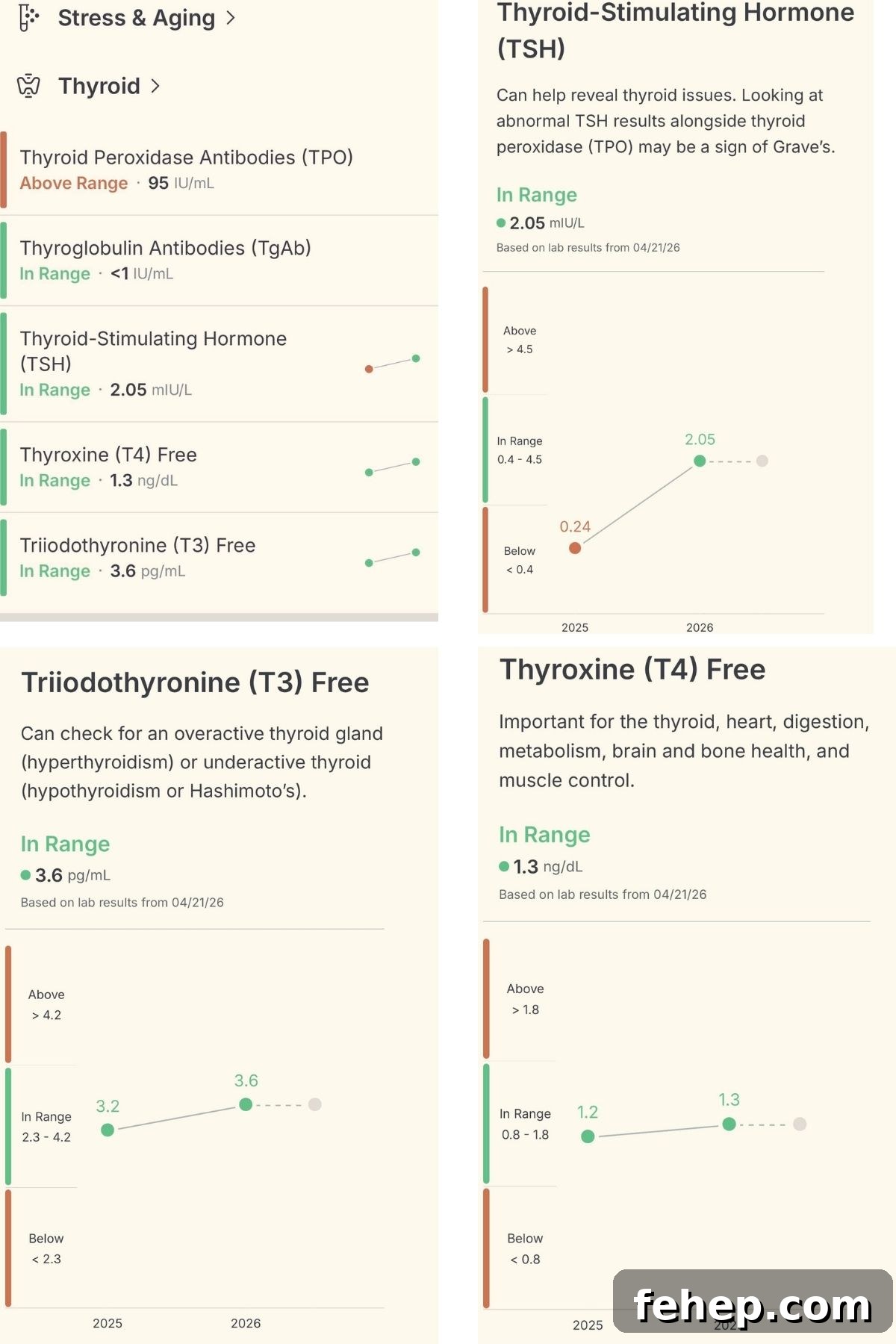
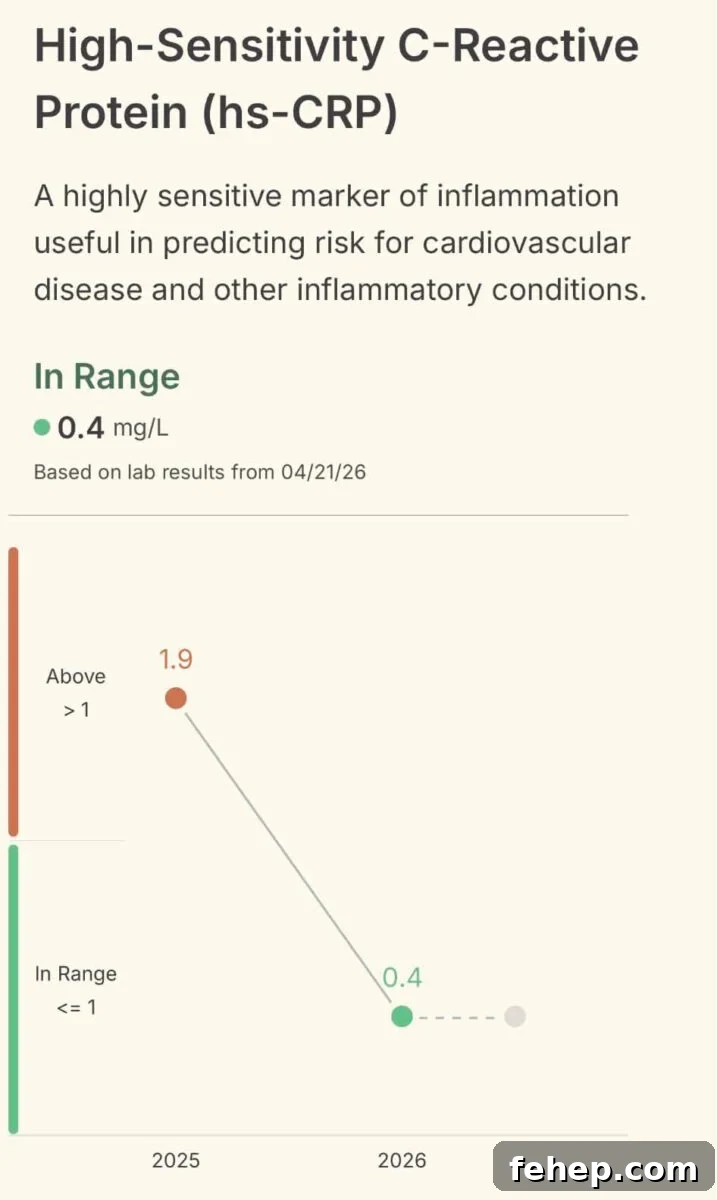
Testing before and after changes helps you see whether markers move toward stability or strain and guides precise adjustments across physical, mental, emotional, and energetic layers.
How to Read Your Body’s Patterns Across All Layers
Hormonal rhythm issues often appear as patterns in physical symptoms, mental loops, emotional reactions, and energetic depletion. Observing these together gives a clearer picture of what your body is communicating.
Physical patterns
| Pattern you notice | Possible rhythm to explore |
|---|---|
| Hard to wake up | Cortisol rhythm, sleep timing, low morning light, thyroid, under-fueling |
| Afternoon crash | Blood sugar, sleep debt, cortisol dip, irregular meals |
| Wired at night | Late light, stress hormones, delayed sleep rhythm |
| Waking 2–4 a.m. | Blood sugar dip, cortisol shift, alcohol, perimenopause, stress |
| Bloating worse at night | Meal timing, gut motility, food tolerance, stress |
| Cold hands and feet | Thyroid, low intake, circulation, iron status, stress physiology |
| PMS flares | Luteal-phase sensitivity, inflammation, poor sleep, blood sugar |
Mental patterns
| Pattern you notice | What it may be signaling |
|---|---|
| Constantly researching symptoms | The mind seeks safety through control |
| Fear around food choices | Food has become linked with threat rather than nourishment |
| Long-time pressure to “fix” your body | The body may be receiving more stress than support |
| All-or-nothing thinking | The nervous system may swing between control and collapse |
| Overthinking before bed | The mind lacks space to unload during the day |
Emotional patterns
| Pattern you notice | What it may be signaling |
|---|---|
| Irritability before your period | Luteal-phase sensitivity plus unmet needs or stress load |
| Cravings after emotional stress | The body seeks comfort, grounding, or quick energy |
| Feeling resentful or overextended | Boundaries are weak or energy is overgiven |
| Crying easily when tired | The nervous system may be depleted |
| Anxiety after pushing too hard | The body asks for safety and recovery |
Energetic patterns
| Pattern you notice | What it may be signaling |
|---|---|
| Feeling drained around certain people or roles | Energy leaks through weak boundaries or people-pleasing |
| Disconnected despite doing “the right” things | Life may not match your inner needs or rhythm |
| Subtle sense of “off” | Outer life misaligns with inner truth, values, or direction |
| Losing motivation with good routines | Routine may be rigid, forced, or disconnected from meaning |
| Feeling numb or uninspired | Your system may need reconnection, expression, or purpose |
| Forcing yourself to keep going | You may be overriding natural rhythm and training output over restoration |
Energetic patterns are often subtle at first and can eventually surface as fatigue, tension, cravings, sleep changes, or hormonal disruption when ignored.
How to Track Hormonal Rhythms Without Obsessing
Track simply and briefly. The goal is to notice repeating signals, not monitor every detail. Pick a few markers and observe for 2–3 weeks or 2–3 cycles:
- wake and sleep times
- sleep quality
- morning and afternoon energy
- cravings and appetite stability
- digestion and bowel movements
- mood shifts and stress level
- exercise type and intensity
- cycle day and PMS symptoms if applicable
- moments of feeling grounded, drained, tense, or disconnected
Look for repeating patterns across physical, mental, emotional, and energetic layers. If tracking causes anxiety, take a break.
How to Support Hormonal Rhythm Without Controlling Everything
Supporting rhythm isn’t about perfection. It’s about giving clearer, more predictable signals so the body can know when to wake, digest, repair, and sleep.
Start with simple routines
- get morning light soon after waking
- maintain a consistent wake time
- eat balanced, nourishing meals, especially earlier in the day
- avoid using caffeine as a meal replacement
- dim lights and reduce stimulation in the evening
- move according to your energy and allow recovery
- take small pauses between tasks (honor ultradian rhythms)
- support the luteal phase by slowing down and practicing self-care
These habits signal safety and consistent fuel rather than constant emergency mode.
Support the nervous system
If the nervous system is stuck in urgency or vigilance, hormones will reflect that. Practices like slow breathing, gentle movement, time outdoors, expressing feelings, setting boundaries, and resting before a crash reduce perceived threat signals.
Work with natural patterns
If you have a menstrual cycle, adjust expectations and actions to your phase: push less when the body asks for rest, prioritize nourishment in the luteal phase, and use ovulatory energy for social or goal-focused tasks. Often basics are the most powerful signals.
The Bigger Picture
The body is rhythmic. Energy, appetite, mood, sleep, digestion, stress tolerance, and menstrual patterns adapt to daily cues: light, meal timing, sleep, movement, inflammation, emotional safety, and stress. Some endocrine issues result from specific medical causes—genetic enzyme problems, tumors, autoimmune gland activity, medication effects, or structural issues—which need medical treatment. Even then, rhythm-supportive lifestyle factors influence how well the body copes and responds to care.
Reading symptoms through physical, mental, emotional, and energetic lenses gives a fuller picture of what the body is adapting to and where support is needed.
If this article clarified why your hormones may feel off, the next step is applying these ideas to your own life: tracking patterns, identifying disruptors, and supporting rhythm through light, sleep, meal timing, movement, nervous system regulation, emotional awareness, and meaningful boundaries.

If symptoms are severe, persistent, or worsening, seek a healthcare professional for testing and tailored guidance.
FAQs About Hormonal Rhythms
A hormonal rhythm is the natural rise and fall of hormones over time. Some follow daily patterns, others shift with meals, stress, sleep, or the menstrual cycle.
Not exactly. “Balance” refers to absolute levels; rhythm focuses on timing and whether hormones rise and fall in a supportive pattern.
Yes. Stress alters sleep, cortisol, blood sugar, appetite, digestion, and menstrual cycles, which is why nervous system and emotional support often accompany hormone care.
Estrogen and progesterone naturally shift across the cycle, affecting energy, mood, appetite, sleep, skin, digestion, and PMS symptoms.
Yes. Sleep, light, meal timing, movement, stress regulation, and boundaries can support clearer rhythms. Persistent symptoms still require evaluation.
Test when symptoms strongly affect function, don’t improve with basic changes, or when there’s relevant personal or family history. Testing before and after interventions helps assess progress.
©HealthyTasteOfLife. Content and photographs are copyright protected and require permission to use. Sharing the article link is encouraged and appreciated.