Tiny homes have surged in popularity in recent years as people seek affordable, flexible, and low-impact ways to live. These compact dwellings serve many purposes: some are full-time residences, others function as vacation retreats, starter homes, or backyard guest houses. The convenience of ordering a complete tiny house online marks a significant shift in how people access housing options, removing much of the traditional complexity involved in building from scratch.
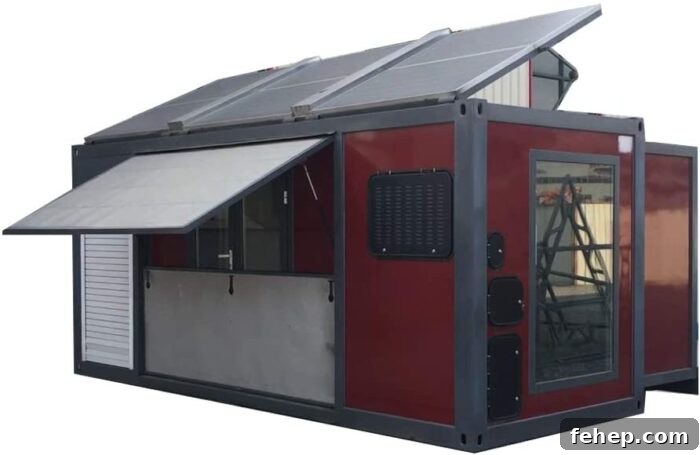
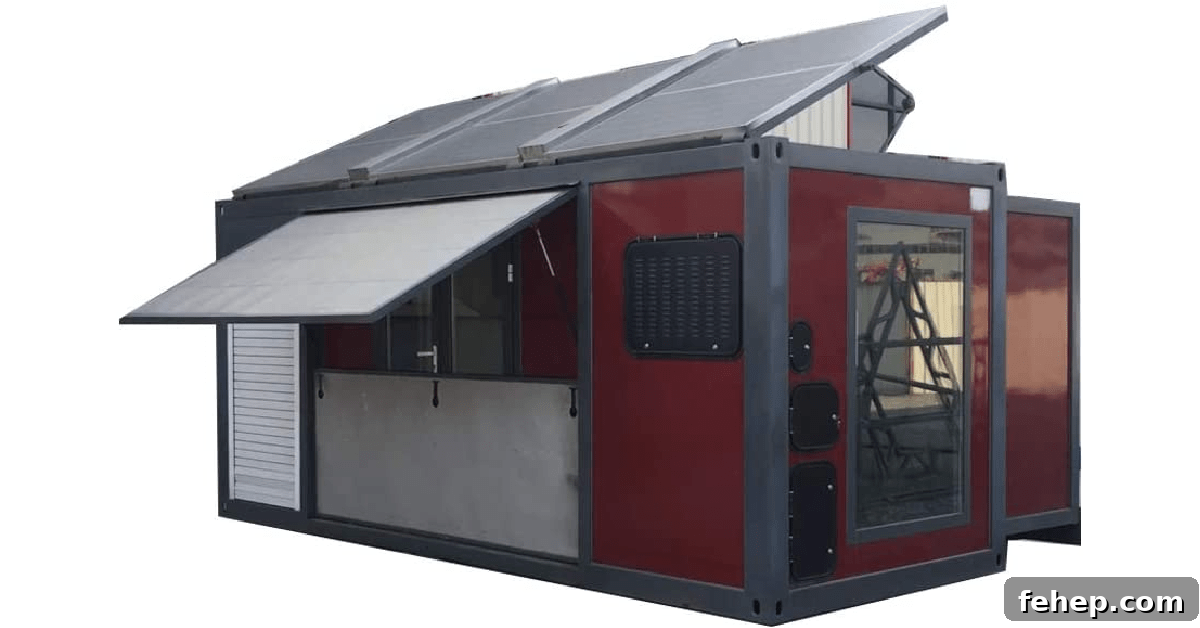
One notable example is a prefab modular tiny house that arrives ready to use with minimal setup. These factory-built modules reduce onsite construction time and often come with standardized quality controls, making them an attractive option for buyers who prefer a turnkey solution. Instead of sourcing materials and coordinating multiple trades, homeowners can receive a finished unit that is designed to be functional from day one.
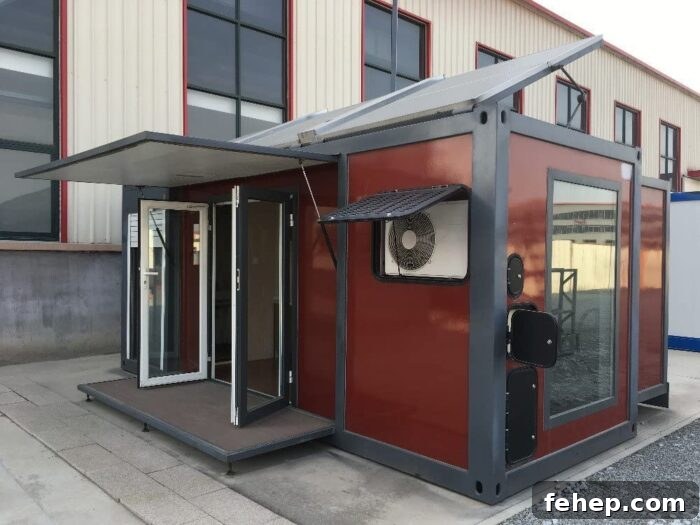
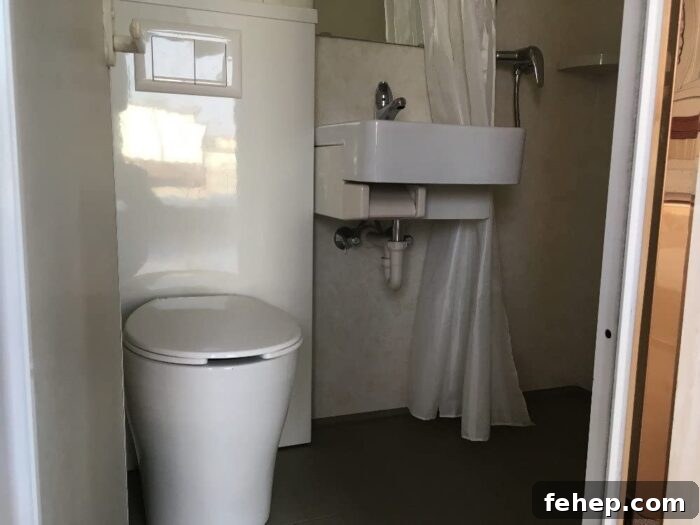
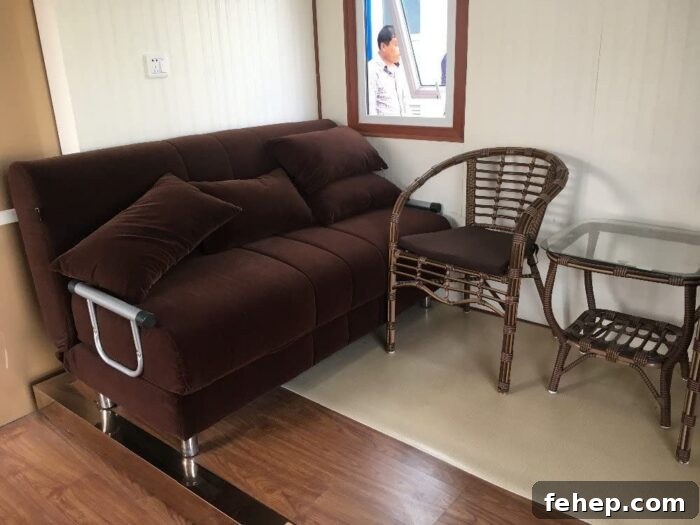
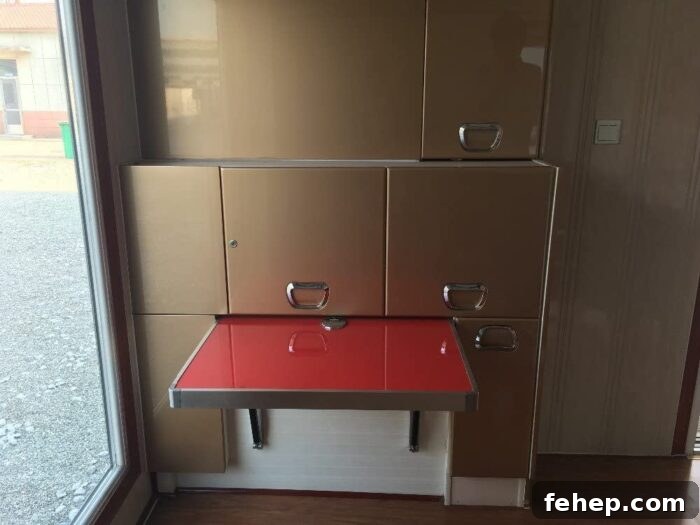
This particular model, the Weizhengheng Expandable Prefab Module Tiny House, stands out because it is more than an empty shell. It ships with a working bathroom and kitchen already installed, along with defined living and sleeping areas. Buyers who want an immediately livable space will appreciate having essential utilities and interior finishes in place, saving time and reducing the need for additional contractors or extensive DIY work.
A key feature of this prefab design is its expandable living room section. With a push-button remote control, portions of the unit extend to increase interior square footage, creating a more comfortable living environment when needed and a compact footprint for transport or storage. Expandable modules provide flexibility—offering a larger social area for gatherings or relaxation while maintaining a small overall size for efficiency.
Sustainability features are often a priority in modern tiny home designs, and this model includes on-site renewable energy systems. Solar panels and a small wind power system mounted on the roof can reduce reliance on grid electricity and lower operating costs. While output depends on location and weather conditions, integrating renewable energy aligns with the compact, eco-conscious ethos of tiny living.
Price is a major consideration for anyone exploring tiny homes. The Weizhengheng expandable prefab unit is advertised for under $40,000, which positions it as an attainable option for people looking for an affordable second dwelling or a compact primary residence. Costs can vary depending on customization, delivery, site preparation, and local permitting, but a packaged prefab approach generally lowers initial investment compared with traditional construction.
Before purchasing a prefab tiny house, prospective buyers should verify local zoning and building codes, arrange for a suitable site, and confirm delivery and installation logistics. Even turnkey units require planning for foundations or anchors, connections to water and sewer or appropriate off-grid solutions, and compliance with local regulations. Researching these practical details ensures a smooth transition from purchase to occupancy.
For anyone seeking a peaceful retreat or a compact home solution, prefab tiny houses offer a compelling combination of convenience, sustainability, and cost-effectiveness. Whether used as a private studio, a guest cottage, or a starter home, these modular units make small-space living approachable for a wide range of lifestyles.