Table of Contents
Toggle
The Science Behind Air Frying Croissants
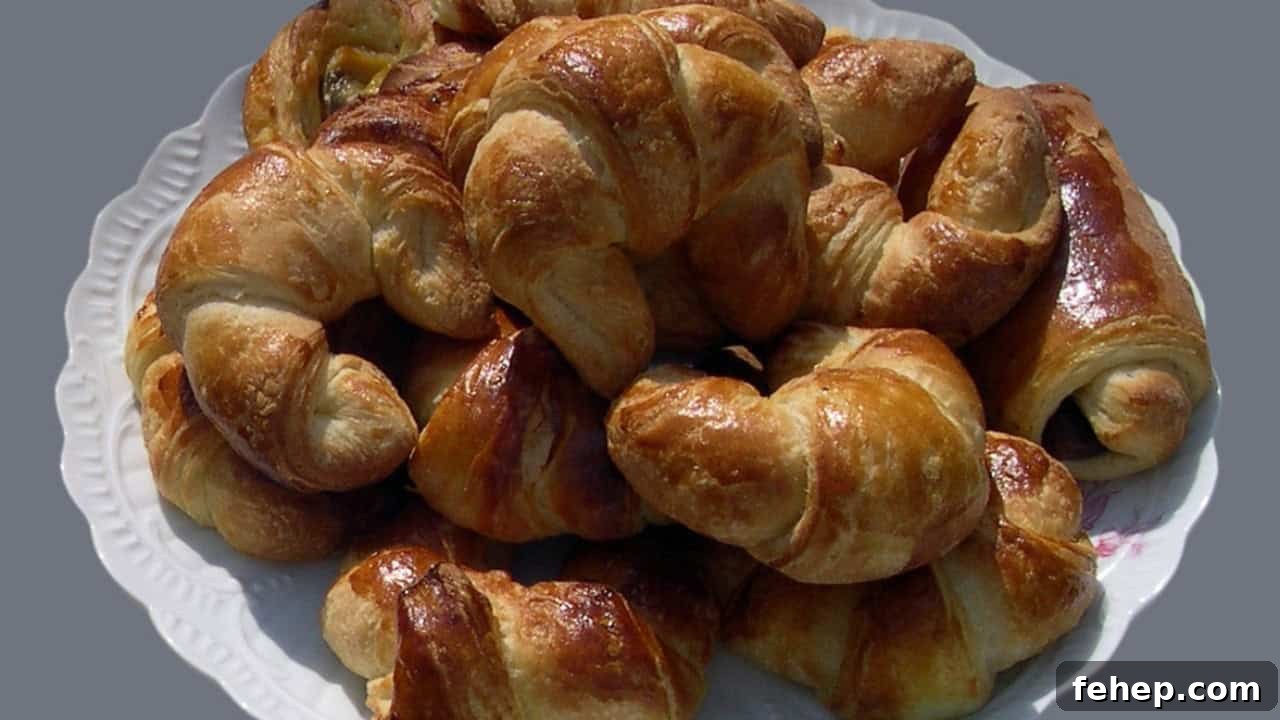
Air frying has changed how home cooks approach pastries like croissants by offering fast, even heat and strong air circulation. This environment encourages the Maillard reaction—the browning process that creates the complex flavors and appealing color of baked goods—so air-fried croissants can develop the same crunchy exterior and tender, flaky interior associated with bakery-quality results. The rapid airflow promotes consistent browning while reducing cooking time, which helps preserve the delicate layered structure formed by butter in the dough.
The controlled temperature and steady airflow in many air fryers reduce fluctuations common in some conventional ovens, making it easier to achieve uniform results. As the croissants heat, the butter layers melt and release steam that separates the dough into distinct sheets, producing the characteristic lamination. Because air fryers often reach target temperatures quickly and maintain them efficiently, they can reliably trigger these physical changes without over-drying the pastry.
In addition to producing excellent results, air fryers tend to be energy efficient. They usually require less preheating and consume less energy over a short bake cycle than a full-size oven, making them a practical and sustainable option for baking small batches of croissants at home.
Optimal Temperature and Time Settings
For most air fryers, a moderate temperature produces the best croissants. A common guideline is around 350°F (about 175°C). At this temperature, the exterior browns attractively while the inside stays tender and flaky. Typical cooking times range from 12 to 15 minutes, depending on croissant size, dough thickness, and whether you start from chilled or room-temperature dough.
Small changes in temperature or time can affect texture: too low and the layers may remain underbaked; too high and the surface can burn before the center is done. Consider your local conditions—altitude and humidity can influence baking behavior. Higher altitudes may call for small adjustments in time or temperature, and moist climates sometimes require slightly longer cooking to reach the desired crispness.
Placement inside the air fryer also matters. Higher rack positions often enhance browning, while lower positions can yield more even internal cooking. If your model allows rack adjustments, try different positions and rotate croissants halfway through the cycle for uniform coloring.
Choosing the Right Dough
The dough is the foundation of a good croissant. A dough with higher butter content produces more distinct layers and a rich flavor, since the butter melts and releases steam that lifts and separates the dough sheets during baking. Using a strong flour—such as one with higher protein—helps the dough hold structure while still delivering a tender crumb.
Temperature control of the dough before baking is important. Allowing laminated dough to rest briefly at a workable but cool temperature makes it easier to roll and shape without crushing the butter layers. Cold, stiff dough is hard to shape; overly warm dough risks the butter melting into the dough before baking, reducing flakiness. Aim for a balance where layers remain intact until they encounter oven heat.
Experiment with recipes to find the butter-to-flour ratio and flour type that match your preference for flakiness and flavor. Small changes to ingredient proportions and resting times can noticeably improve the finished croissants when baked in an air fryer.
Top Air Fryer Models for Baking
When choosing an air fryer for baking croissants, prioritize even heat distribution, precise temperature control, and good airflow. Models with larger capacity make it easier to bake multiple croissants without overcrowding, which helps maintain crispness. Some popular options known for consistent baking performance include compact convection-style units and multi-function oven-air fryer hybrids that combine the benefits of an oven with powerful air circulation.
Features to look for include a reliable preheat function, multiple rack positions, and user-adjustable temperature settings. A well-designed basket or tray that promotes airflow around each croissant helps ensure even browning and reduces the need to frequently reposition pastries during the bake.
Expert Tips for Perfect Air Fryer Croissants
Follow a few practical steps to improve results: preheat the air fryer so the croissants receive immediate, consistent heat; lightly mist or brush with water to encourage steam and promote flakiness; and use parchment or a liner to prevent sticking and preserve shape. Rotating croissants halfway through the bake can correct uneven hotspots in some models.
Finishing touches enhance both appearance and flavor: an egg wash before baking creates a glossy, golden crust; a sprinkle of coarse sugar adds a sweet sheen; and savory additions like cheese or herbs can transform a classic croissant into a flavored variation. Test small changes in technique and ingredients to discover what works best with your specific air fryer and taste preferences.
With attention to dough quality, proper temperature and timing, and a few simple techniques, air fryers can produce croissants that are crisp, flaky, and flavorful—close to what you’d expect from a bakery—while offering convenience and energy efficiency for home baking.