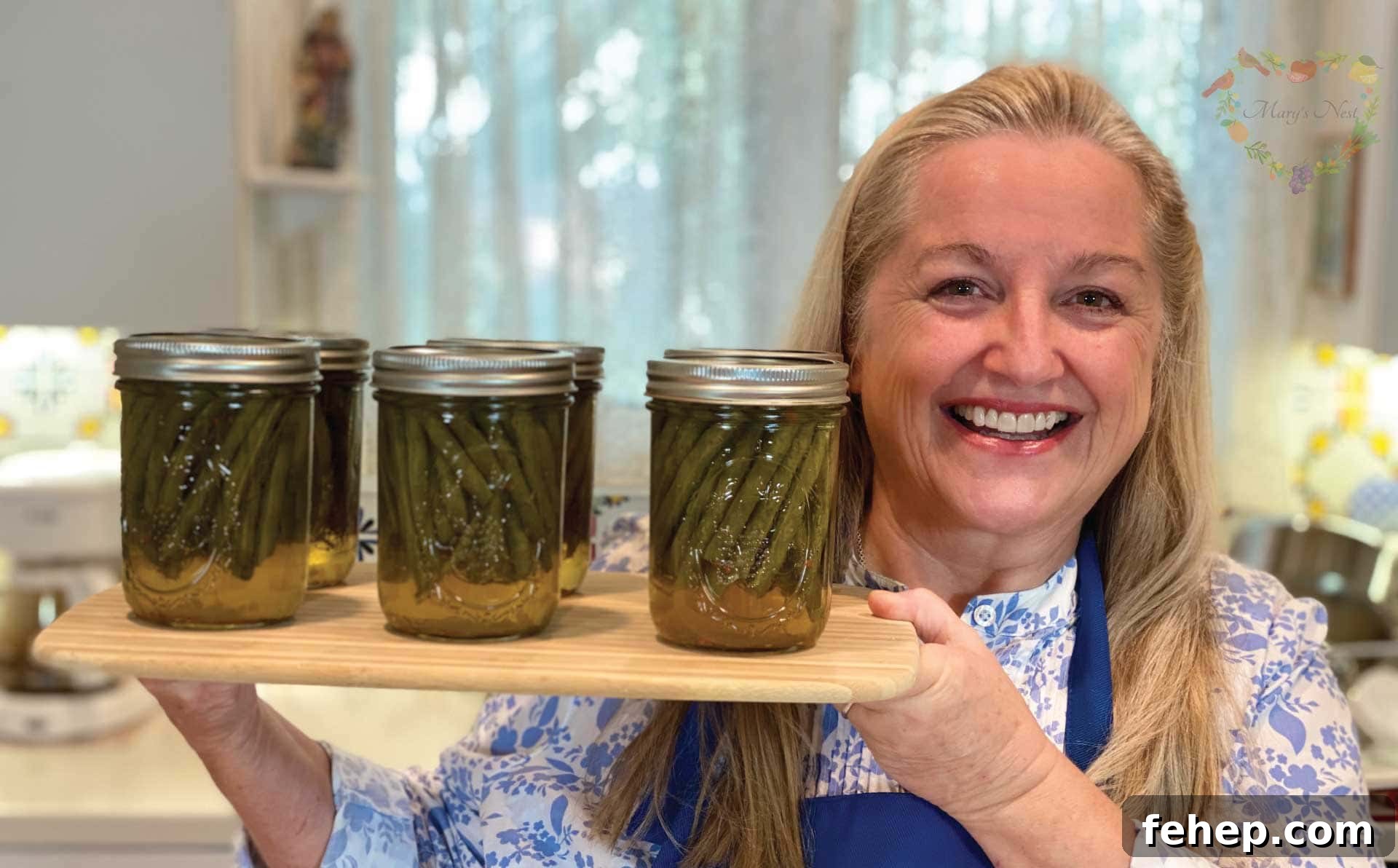
Learn how to make crisp pickled green beans quickly and enjoy them fresh from the refrigerator. If you prefer long-term storage, there’s also an optional water bath canning method to make the jars shelf-stable.
Affiliates note: As an Amazon Associate I earn from qualifying purchases. My content may contain affiliate links to products and services. If you click through and make a purchase, I’ll receive a small commission. It does not affect the price you pay.
Table of Contents
- Make Crisp Pickled Green Beans in Minutes
- Choosing the Vinegar for Pickled Green Beans
- Should I Parboil Green Beans Before Pickling?
- Altitude and Water Bath Canning
- Different Types of Water Bath Canners
- Water Bath Canning 101 Series
- More Pickling Recipes
- More Water Bath Canning Recipes
- The Modern Pioneer Pantry
- Download Your Free 36-Page Pantry List
- The Modern Pioneer Cookbook
- Join the Traditional Foods Kitchen Academy
- Crisp Pickled Green Beans Recipe
- Shop for items used in this blog post or video
Make Crisp Pickled Green Beans in Minutes
Quick pickled vegetables add bright flavor and crunch to sandwiches, salads, and dinners. Pickled green beans are fast and simple to prepare, and they stay crisp when done right.
The basic steps are straightforward and described in the recipe below:
- Wash the green beans and trim the stem ends.
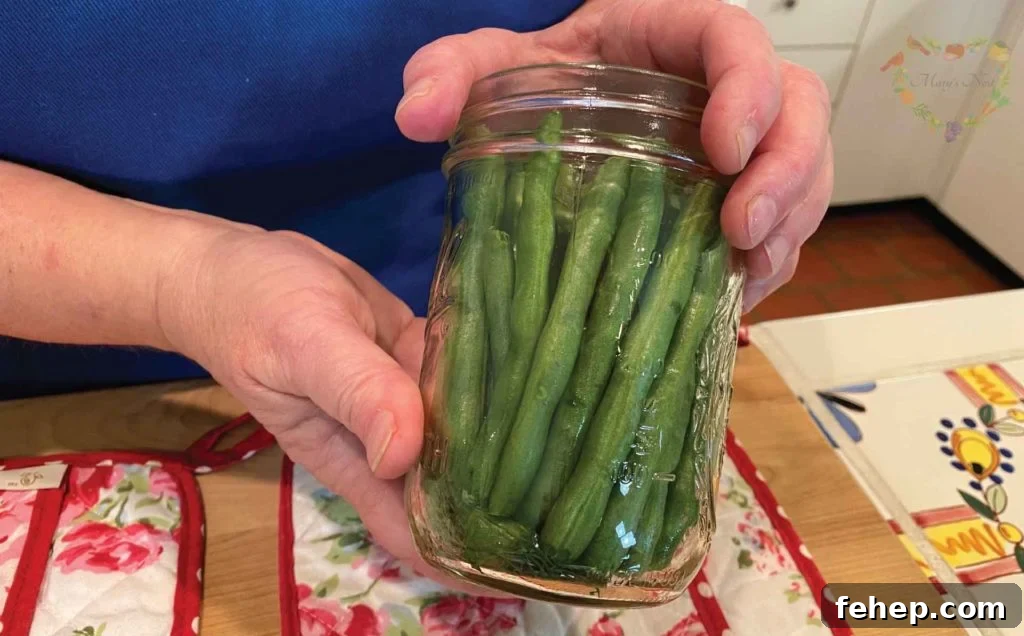
- Pack the beans into clean jars.
- Heat a simple brine and pour it over the beans.
- Refrigerate the jars to cool and let the flavors meld.
If you want to store jars outside the fridge, use the optional water bath canning step to make them shelf-stable. Otherwise, refrigerate and enjoy within a few months for best texture and flavor.
Choosing the Vinegar for Pickled Green Beans
You can pick different vinegars to suit your flavor preferences. However, if you plan to water bath can the jars for long-term storage, use vinegar with at least 5% acidity to ensure safety.
- If you plan to water bath can, choose vinegar labeled 5% acidity (typical white vinegar or commercial apple cider vinegar at that acidity).
- If you only refrigerate the jars, you can use homemade or raw vinegars, though heating the brine will destroy raw cultures if you heat the vinegar.
If you like the probiotic benefits of raw apple cider vinegar but want to use a hot brine, consider filling jars most of the way with hot brine made from white vinegar, let it cool, then top up with raw apple cider vinegar before sealing and refrigerating.
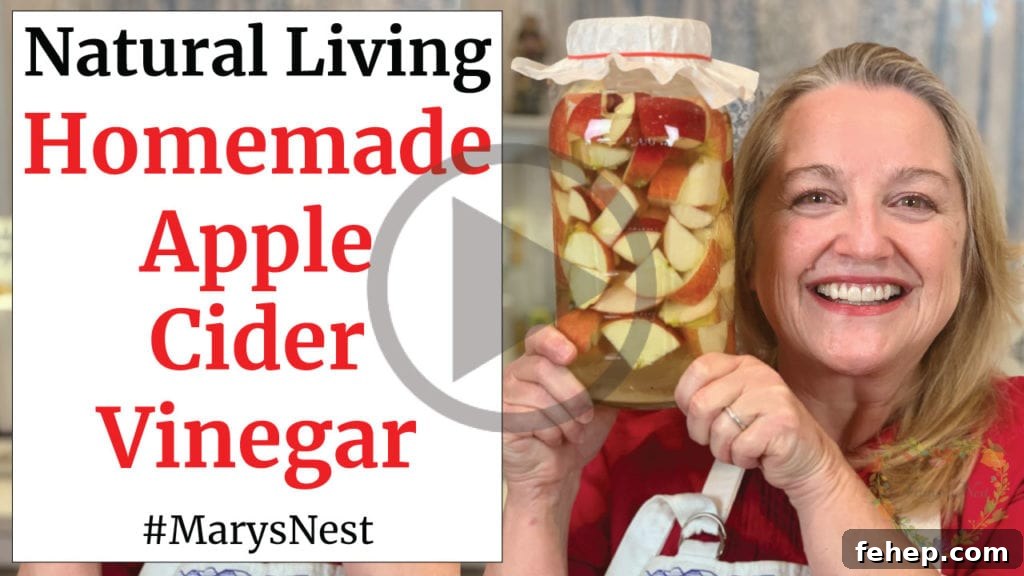
- How to Make Homemade Apple Cider Vinegar (3 Part Series)
Should I Parboil Green Beans Before Pickling?
Some recipes call for parboiling green beans before pickling; others do not. The choice often depends on digestive concerns and texture preference.
All beans, including fresh green beans, contain proteins called lectins. Parboiling reduces some lectins and can make beans easier to digest for people sensitive to them. If you’re concerned about lectins, consider briefly parboiling before packing the jars.
Altitude and Water Bath Canning
Altitude affects water bath processing time because water boils at lower temperatures at higher elevations. The processing time listed in the recipe (10 minutes) applies to water bath canning at or below 1,000 feet above sea level.
| Altitude in Feet | Increase in Processing Time |
| 1,001 – 3,000 | 5 Minutes |
| 3,001 – 6,000 | 10 Minutes |
| 6,001 – 8,000 | 15 Minutes |
| 8,001 – 10,000 | 20 Minutes |
For example, at 1,500 feet, add 5 minutes to the base 10-minute processing time, for a total of 15 minutes.
Different Types of Water Bath Canners
Common water bath canner options include:
- Traditional graniteware canners with concave bottoms
- Flat-bottom stainless steel water bath canners
- Electric water bath canners that free up stovetop space
Choose a canner that works with your stove and follow your stovetop manufacturer’s recommendations. If you have a glass-top stove, consider using a portable burner or an electric canner to avoid damaging the cooktop.
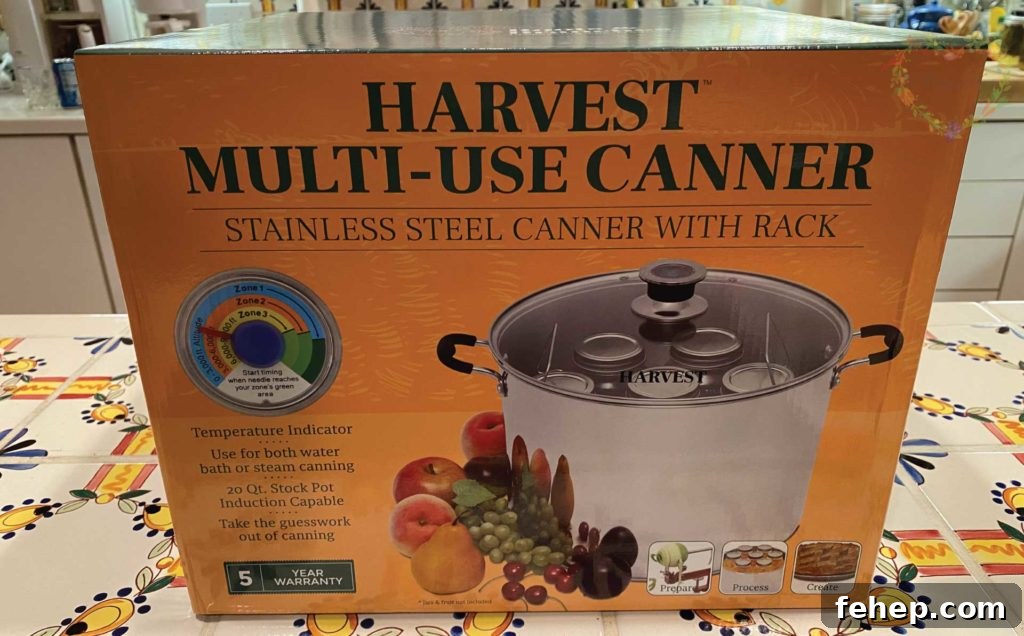
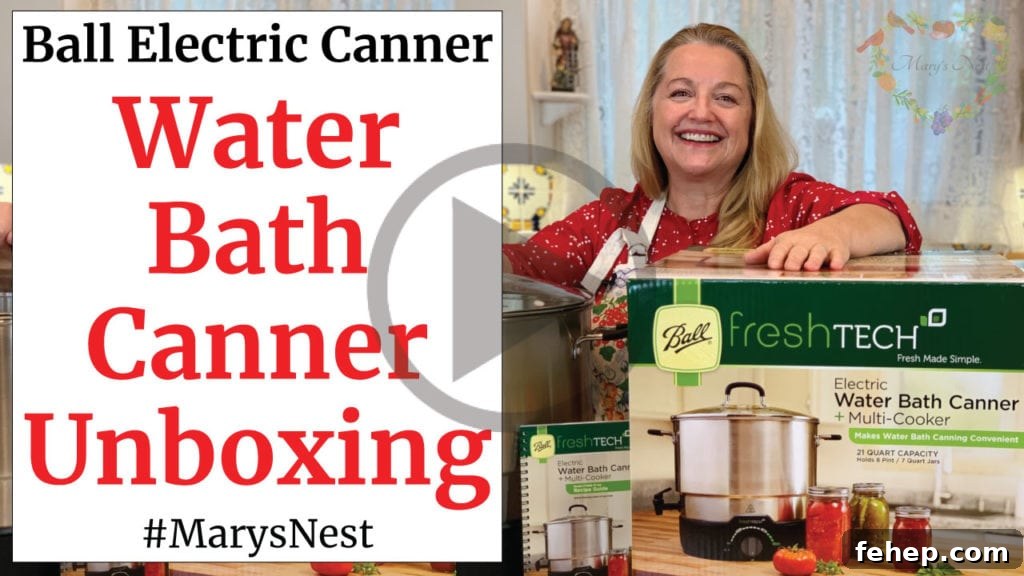
Using an Electric Water Bath Canner
Electric water bath canners are convenient because they don’t use the stove and allow you to continue cooking while jars process. They’re a good option for anyone with limited stovetop space or a glass cooktop.
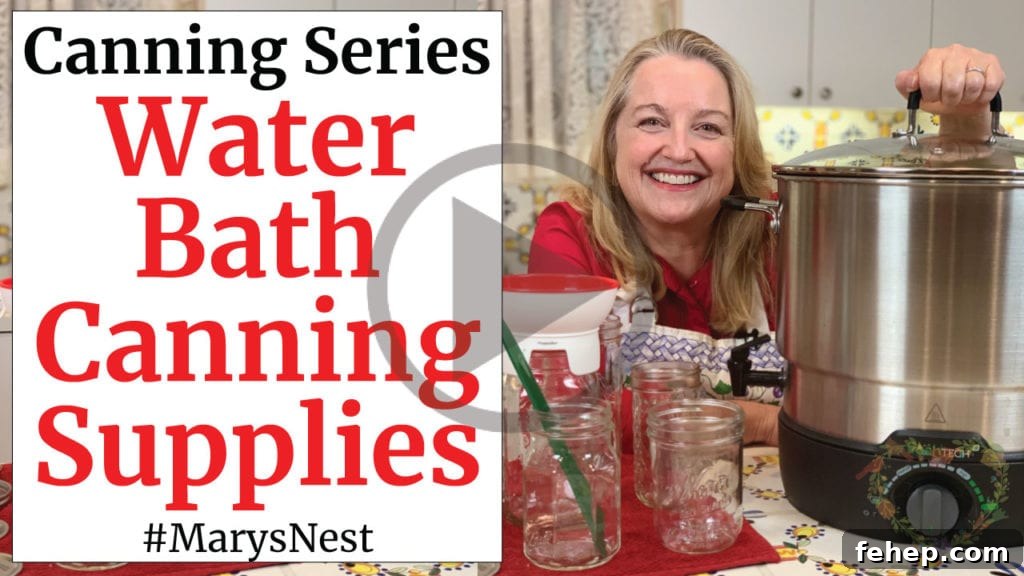
Water Bath Canning 101 Series
If you’re new to canning, a water bath canning basics series can help you learn essential equipment, ingredients, and techniques. Start with these fundamentals before moving on to pressure canning.
More Pickling Recipes
If you enjoy pickled green beans, try other quick-pickle recipes like pickled beets, quick pickles, or no-sugar quick pickles. These simple recipes make excellent sides or condiments.

More Water Bath Canning Recipes
Once you’re comfortable with pickles, try water bath canning recipes for bread-and-butter pickles, crushed tomatoes, and jams. Each recipe includes water bath instructions when appropriate.

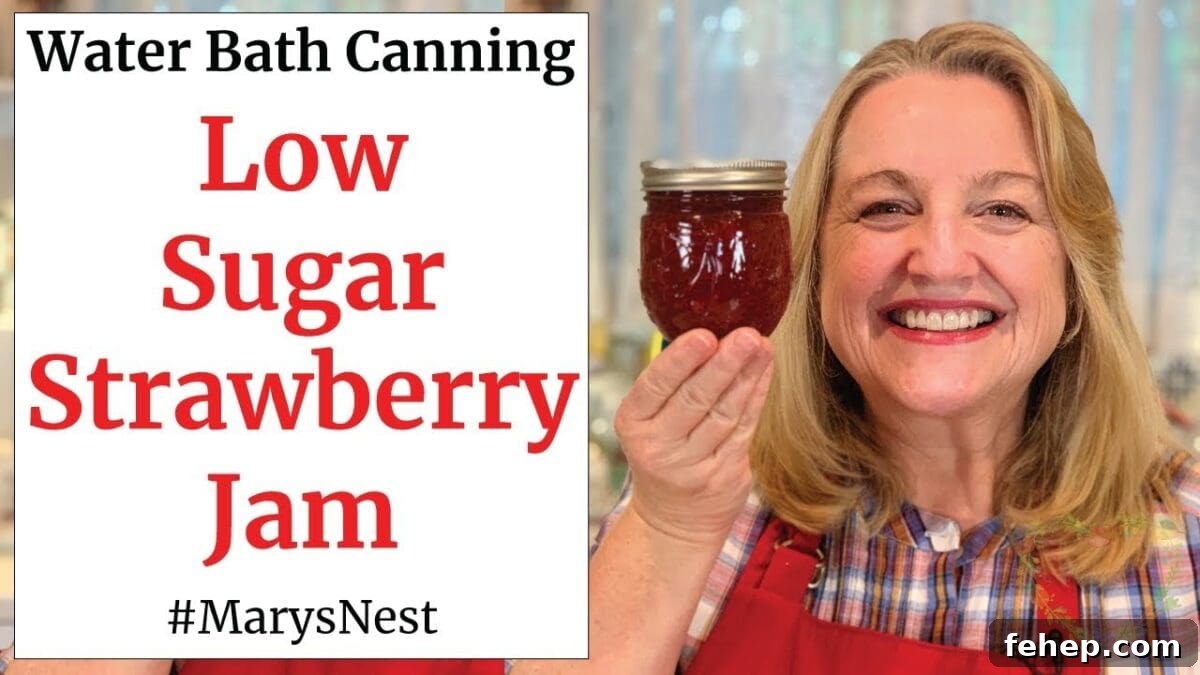
Jam Recipes with Water Bath Canning Tutorials
Learn to make strawberry jams, low- or no-sugar options, and citrus marmalades with step-by-step water bath canning guidance. Jams are a great way to preserve seasonal fruit.
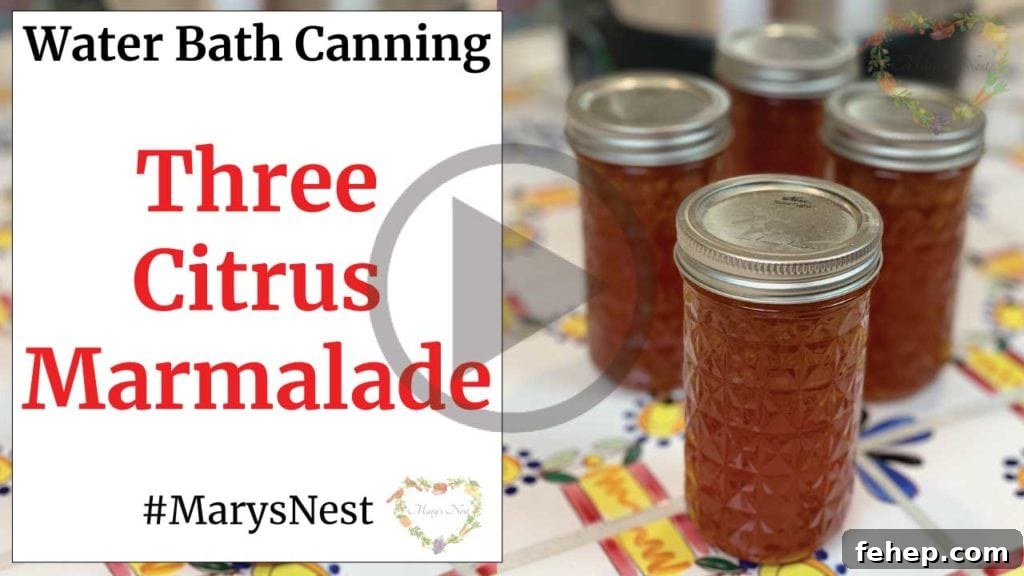
- How to Make Marmalade Jam with Step-By-Step Water Bath Canning

Order YOUR COPY Now!
The Modern Pioneer Pantry
Simple ingredients and timeless techniques help you preserve food and turn pantry staples into nourishing meals. Discover over 100 recipes and guidance for building a reliable pantry.
Download Your Free 36-Page Pantry List
Download a free 36-page Traditional Foods Pantry List for a comprehensive guide to pantry staples, recipes, and helpful resources.

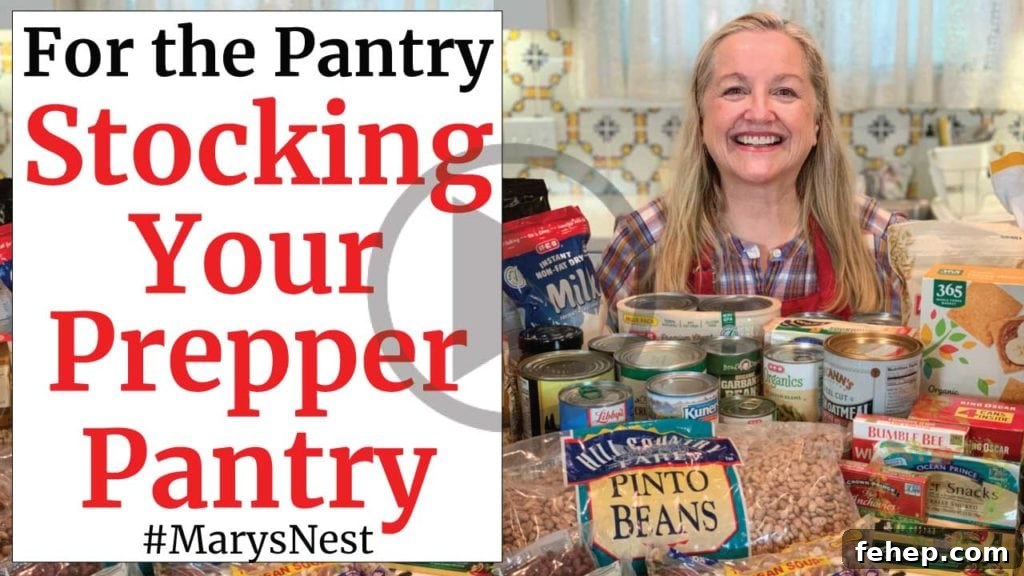
If you water bath can your pickled green beans, they store well in an extended pantry. Consider stocking a Prepper Pantry with real food essentials to support long-term food planning.
For more traditional foods recipes in print, look for The Modern Pioneer Cookbook, which offers seasonal recipes and from-scratch techniques.

Order YOUR COPY Now!
The Modern Pioneer Cookbook
Seasonal ingredients and nourishing recipes with over 85 traditional, from-scratch recipes to help you cook the modern pioneer way.
Join the Traditional Foods Kitchen Academy
If you want more traditional foods videos and exclusive content, consider joining the Traditional Foods Kitchen Academy for members-only videos and perks.
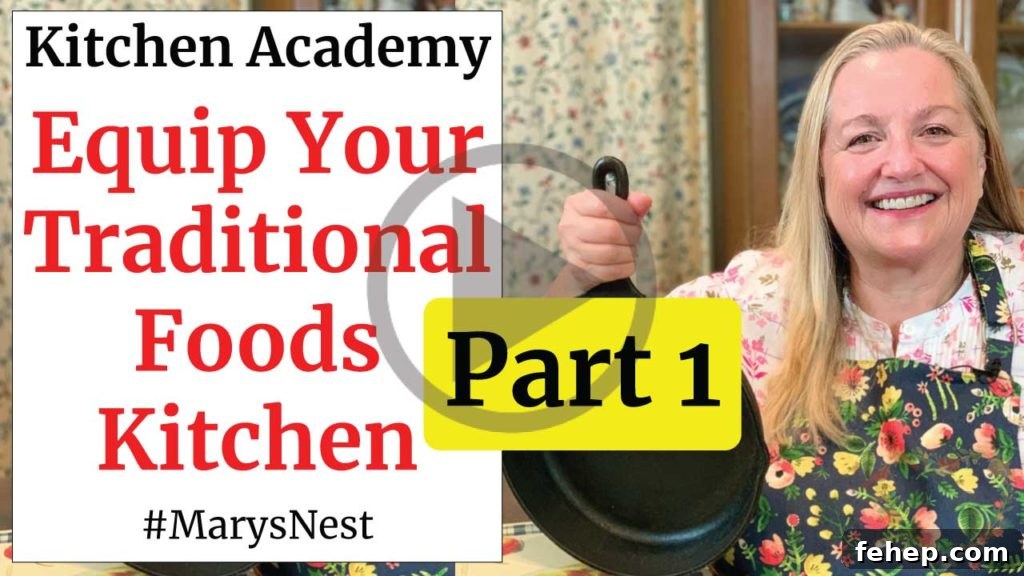
Members-only videos cover topics like equipping a traditional foods kitchen and essential vs. optional equipment.
Crisp Pickled Green Beans
Equipment
-
6 pint-sized jars with lids
-
Funnel
-
Ladle
-
Debubbler or butter knife (optional)
-
Magnetized lid lifter (optional)
-
Water bath canner (optional)
-
Jar lifter (optional)
-
Drying mat or dish towels (optional)
Ingredients
- 3 1/2 pounds Fresh green beans, washed with stems removed
- 5 cups White vinegar, 5% acidity
- 2 cups Water
- 1/3 cup Pickling and canning salt
- 1 1/2 tsp Crushed red pepper flakes (optional)
- 12 sprigs Fresh dill (optional)
- 3/4 tsp Pickle Crisp (optional, use if water bath canning)
Instructions
-
Wash green beans and trim the stem ends. Trimming tails is optional.
-
Combine the vinegar, water, and salt in a non-reactive saucepan (stainless steel or enameled). Add red pepper flakes if desired. Bring the mixture to a boil to create the pickling brine.
-
Place 2 sprigs of fresh dill into each clean pint jar, if using. Pack jars tightly with 4″ green beans.
-
Ladle the hot brine into jars, covering the beans and leaving 1/2 inch headspace.
-
If refrigerating (not canning), let jars cool to room temperature (about 1 hour), seal with lids, then refrigerate. Chill at least 4 hours; overnight is best. Consume refrigerated jars within 3 months for best quality.
-
If water bath canning, add 1/8 tsp Pickle Crisp to each jar if desired. Remove air bubbles with a debubbler or knife.
-
Wipe jar rims clean with vinegar, dry, apply lids, and screw rings fingertip-tight.
-
Place jars in the water bath canner, ensuring they are covered with simmering water. Bring to a rolling boil, cover, and process for the recommended time (10 minutes at ≤1,000 ft; increase time for higher altitudes).
-
After processing, turn off heat, remove the lid, and let jars rest in the canner for 5 minutes. Remove jars with a lifter to a cushioned surface and cool 12–24 hours.
-
Once cool, check seals. Remove rings and store sealed jars in a cool, dark place. Canning lids generally maintain quality for 12–18 months; refer to lid packaging for specifics.
Video
Notes
Copyright © 2021 Mary’s Nest, LLC, All Rights Reserved
Watch Mary’s Nest on YouTube
Shop for items used in this blog post or video
Favorite Canning Supplies
- Stovetop Water Bath Canner
- Graniteware Water Bath Canner
- Electric Water Bath Canner
- Pressure Canner
- Canning essentials like jar lifter, funnel, ladle, debubbler
- Pint-sized canning jars and wide-mouth lids and rings
Favorite Kitchen Supplies
- Aprons and basic kitchen tools
- Whisk, cast iron Dutch oven, slow cooker
- Flour sack towels and drying mats
Favorite Water Bath Canning Books
- The Modern Pioneer Cookbook
- The Modern Pioneer Pantry
- Ball Canning Back to Basics
- USDA Complete Guide to Home Canning
- Ball Complete Book of Home Preserving
- The All New Ball Book Of Canning And Preserving
- Bernardin Guide to Home Preserving
- The River Cottage Preserves Handbook
- The Amish Canning Cookbook
- Preserving Today
- Jam On – The Craft of Canning Fruit