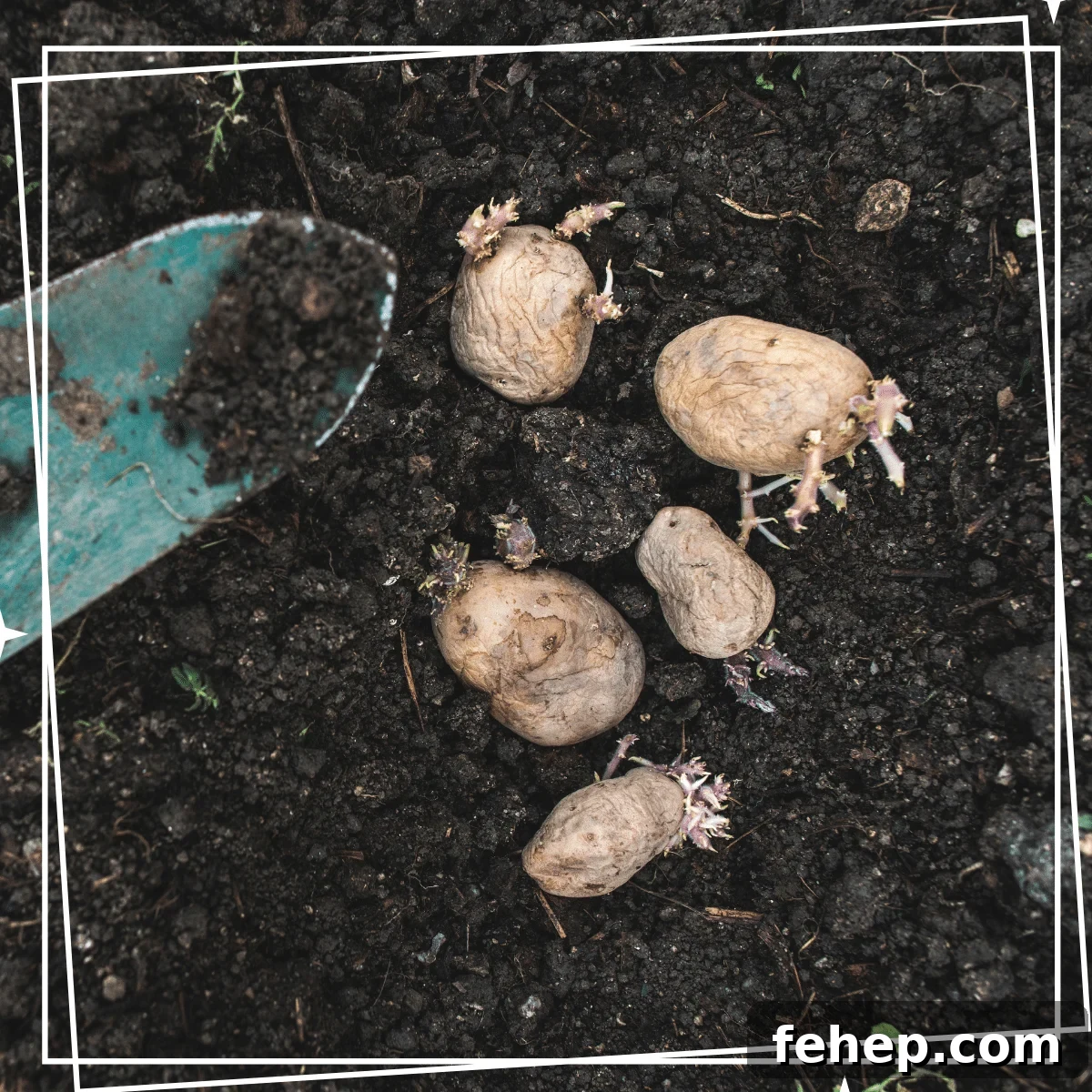
Learn how to grow potatoes this year! Hi, my name is Juliea. I’m an Idaho mother of six who has been gardening for years. We grow a lot of potatoes here, and I’m excited to share practical tips so you can grow them too.
Why Potatoes?
Potatoes are among the easiest crops to grow. They store well, provide reliable meals, and are excellent for building home food reserves. Properly cured and stored, potatoes can last up to five months in a cool, dark room, three to four months in the refrigerator, or three to five weeks in a pantry.
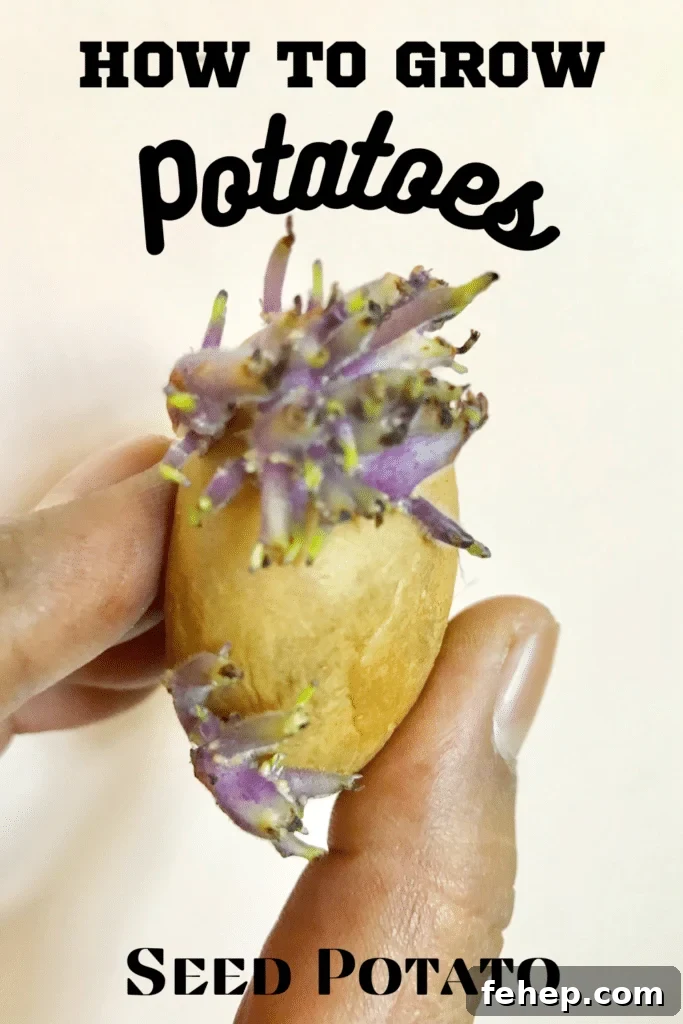
With basic care you can produce organic potatoes perfect for soups, mashed potatoes with gravy, scalloped potatoes, or simple roasted sides. Use seed potatoes from a garden center or sprout some from potatoes kept in a paper bag to get started.
They’re low-maintenance, productive, and rewarding — a great crop for any home gardener.
When To Plant Potatoes
Timing depends on variety and climate. First earlies should be planted in late March for an early harvest. Second earlies are best in early to mid-April. Maincrops, which store better, are usually planted mid to late April to allow a longer growing season.
In warm climates you can plant as early as January to March. In cooler regions wait until April to June, and in northern areas allow a little extra time to avoid late frosts. Focus on soil temperature — potatoes prefer warmer soil — and avoid planting before frost risk has passed.
“First earlies,” “second earlies,” and “maincrops” refer to how quickly each variety matures and how well they store. Choose first earlies for an early supply, second earlies for a midseason harvest, and maincrops for storage over winter.
How To Grow Potatoes
Choosing the right variety starts with thinking about when you want to harvest and how you’ll use the potatoes. Here’s a quick guide to common types:
The Speed Demons: First Earlies
These mature quickly and are ideal for early-season meals. They don’t store long, so plan to eat them fresh. Popular early varieties include Irish Cobbler, Norland, Duke of York, Maris Bard, and Rocket.
The Middle Ground: Second Earlies
Second earlies take a bit longer than first earlies, offering a midseason harvest and reasonable short-term storage.
The Marathon Runners: Maincrops
Maincrops mature more slowly but provide the largest yields and best storage for winter use.
Popular potato types by use:
- Russet: Starchy and fluffy, great for baking, frying, and mashing.
- Red potatoes: Thin-skinned and creamy, ideal for boiling, roasting, and salads.
- Yukon Gold: Buttery texture, good for mashing, roasting, and baking.
- Fingerlings: Small, firm, and flavorful for roasting or grilling.
- Purple varieties: Colorful and nutritious for roasting or boiling.
- German Butterball: Creamy and buttery, excellent mashed or fried.
- New potatoes: Harvested young, tender and sweet for salads.
Note: Sweet potatoes are a different crop and require different growing conditions and timing.
Choosing the Right Spot
Pick a site with full sun and well-draining, loose soil. Potatoes need at least six hours of sunlight daily and soil that doesn’t stay waterlogged.
Prepare the Soil
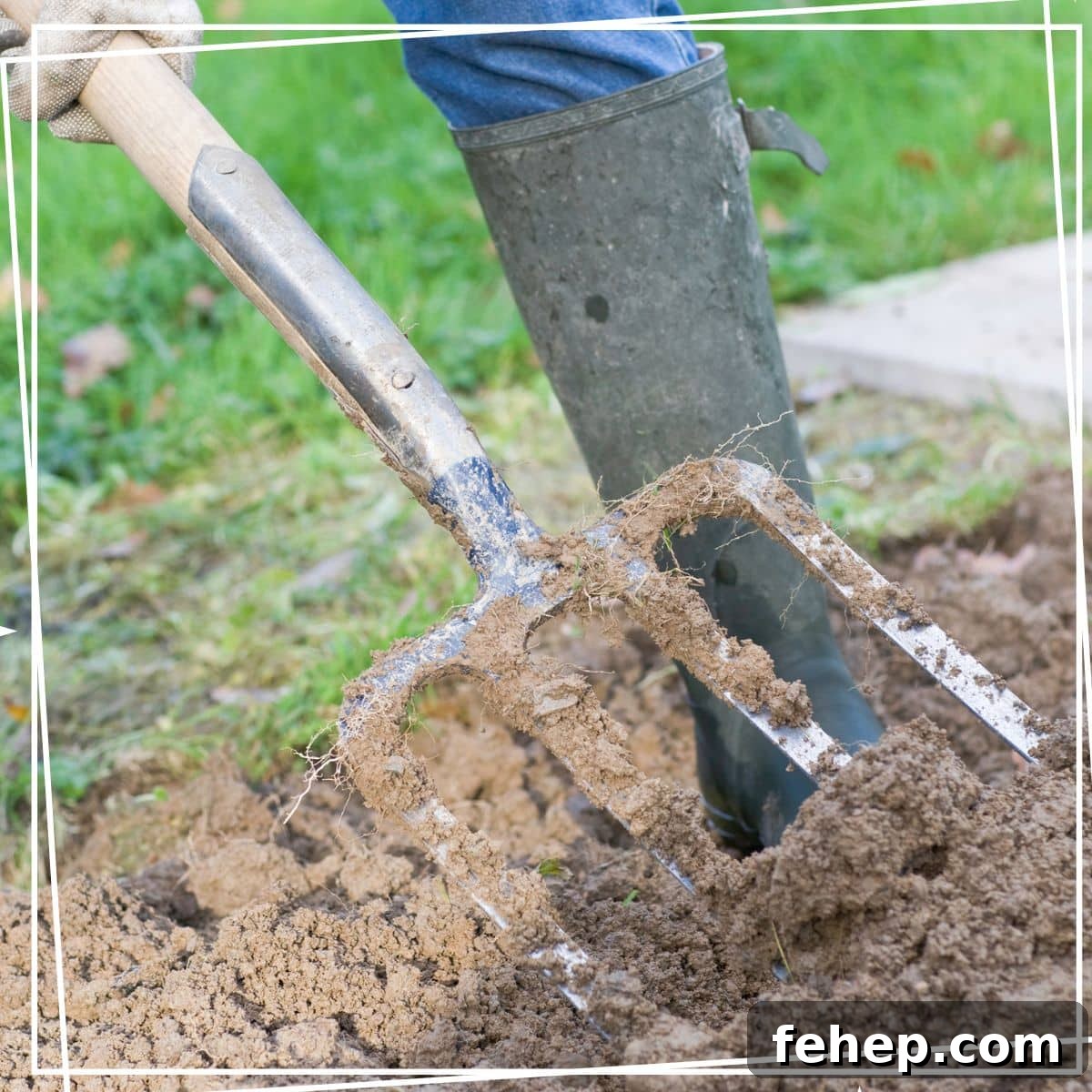
Prepare soil in early spring. Potatoes perform best in loose soil rich in organic matter. Clear weeds, stones, and debris so tubers have room to develop.
- Add organic matter: Work compost or well-aged manure into the soil to improve fertility and moisture retention.
- Test soil pH: Potatoes prefer slightly acidic soil (pH 5.0–6.0). Use a soil test and amend with sulfur to lower pH or lime to raise it as needed.
- Create depth: Potatoes need at least 12 inches of loose soil. Build a raised bed or add soil to increase planting depth if your garden is shallow.
Planting Seed Potatoes
Prepare seed potatoes by cutting large tubers into pieces with at least one eye each. Let cut pieces dry for a couple of days to form a protective callus and reduce rot risk.
Plant when soil temperatures reach around 45°F (early spring in many regions). Place seed pieces in 4-inch-deep trenches or holes with the eyes facing up and cover with about 2 inches of soil. As shoots emerge, gradually hill soil around the stems to keep tubers covered and protect them from sunlight.
Small seed potatoes can be planted whole. Space plants 8–12 inches apart in rows. If space is limited, use raised beds or grow bags for good results.
How to Water Potato Plants
Keep soil consistently moist but not waterlogged. Water about once a week, increasing frequency during dry spells. Drip irrigation or soaker hoses are efficient and help reduce disease by keeping foliage drier.
Add Soil as Potato Plants Grow
When plants push through the soil, add a few inches of soil around the base and repeat every couple of weeks. Hilling prevents tubers from being exposed to sunlight, which causes greening and bitterness.
Controlling Potato Pests
Monitor plants regularly and use organic controls where possible. Common pests and basic controls include:
- Colorado potato beetles: Handpick adults and larvae or use organic insecticides.
- Potato tuberworm: Remove affected plants and consider targeted controls to reduce larvae tunneling into tubers.
- Aphids: Control with insecticidal soap or neem oil and encourage beneficial insects.
- Wireworms: Use crop rotation, beneficial nematodes, or approved treatments to reduce larvae in soil.
- Flea beetles: Apply insecticidal soap, neem oil, or row covers for young plants.
- Slugs: Use bait, traps, or diatomaceous earth to protect foliage and tubers.
Blight Control
Late blight and other fungal diseases can devastate crops. Remove and destroy infected foliage promptly and choose disease-resistant varieties when possible. Practice crop rotation and avoid watering foliage in the evening to reduce risk. Maintaining healthy soil and good air circulation around plants also helps prevent disease.
Harvesting Potatoes
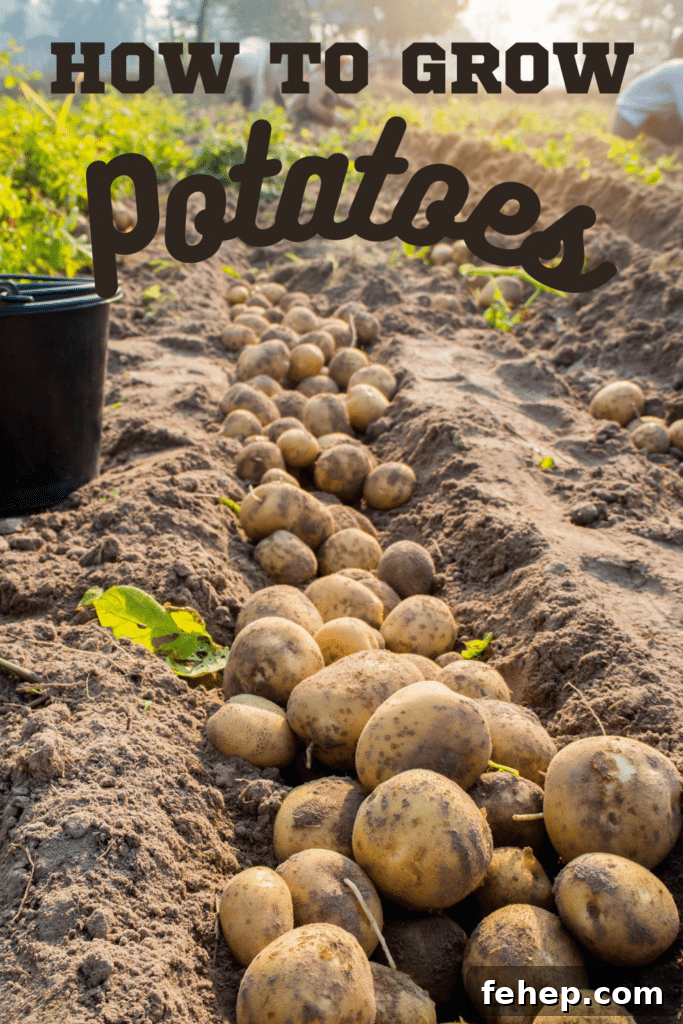
Harvest when foliage begins to die back, usually in late summer or early fall. Wait until soil is relatively dry, then gently dig up plants to avoid cutting or bruising tubers. Handle potatoes carefully and remove damaged ones.
To extend storage life, cure potatoes in a dark, slightly humid, well-ventilated area (a basement works well) for one to two weeks. Spread potatoes in a single layer on racks or cardboard with good air circulation. Curing thickens skins and heals minor injuries.
After curing, store potatoes in a cool, dark place for up to five months.
If you try these methods and enjoy your harvest, tag me on Instagram @farmhouse_harvest with a photo of your crop!
Sources
The National Gardening Association
University of Idaho Extension – Gardening Source