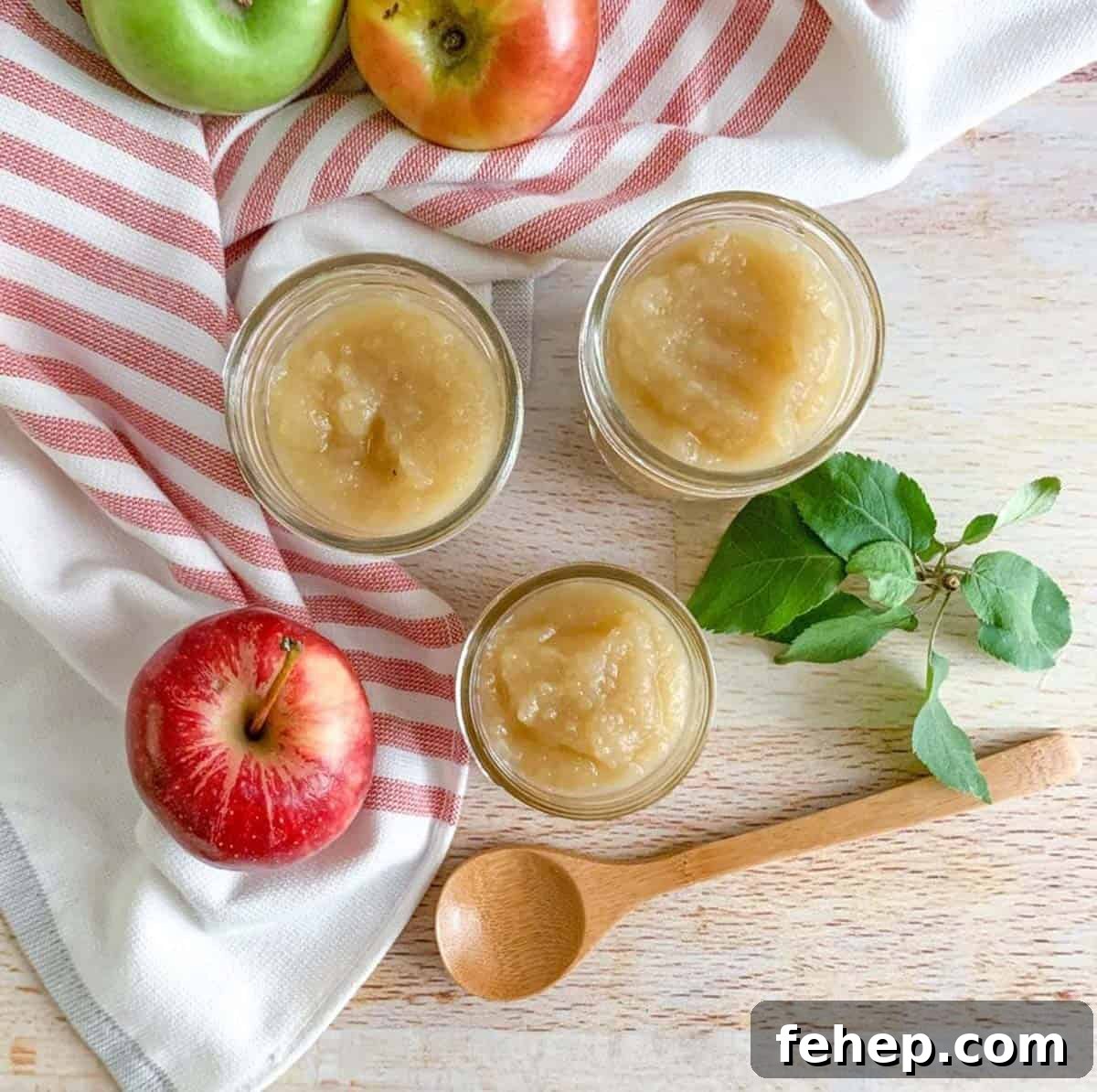
This easy-from-scratch applesauce recipe uses just one ingredient: apples. No added sugar, no juice, no spices, and you don’t need to peel them. Use any apples you enjoy for a naturally sweet, homemade snack.
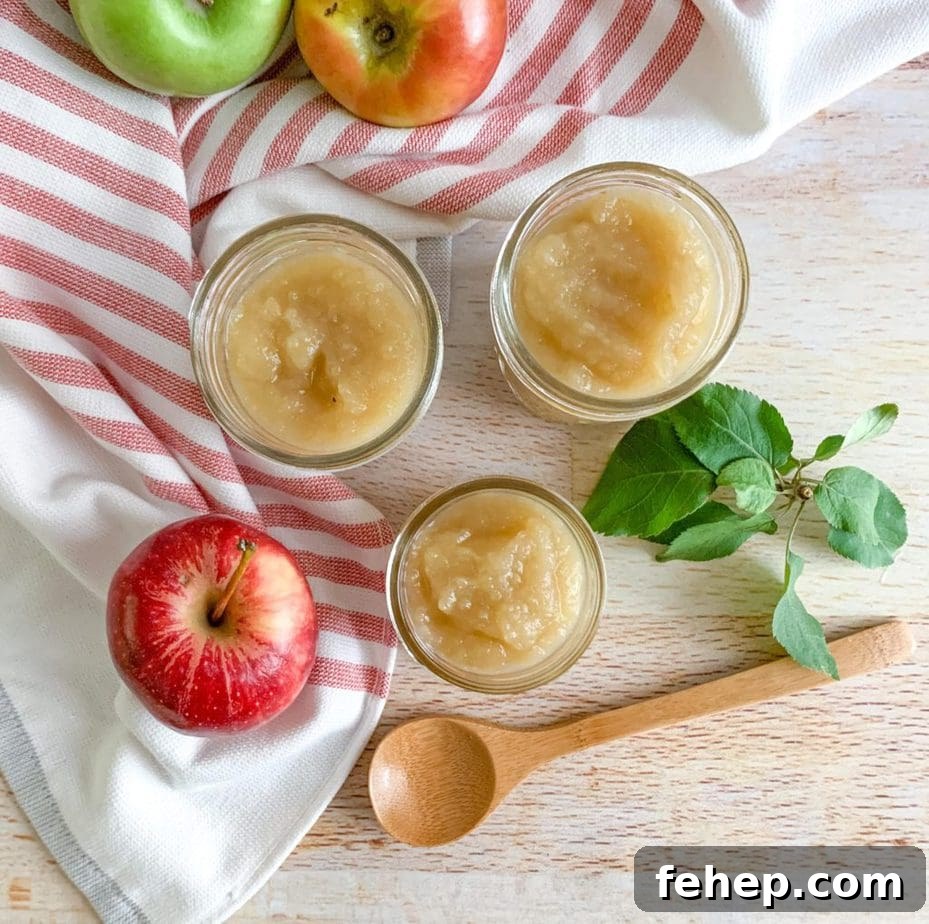
Making unsweetened applesauce without peeling is remarkably simple. All you need is fresh apples and a little patience.
Every fall I decorate the house and look forward to apple picking. I always bring home more apples than we can eat fresh, so applesauce becomes my favorite way to preserve and enjoy them.
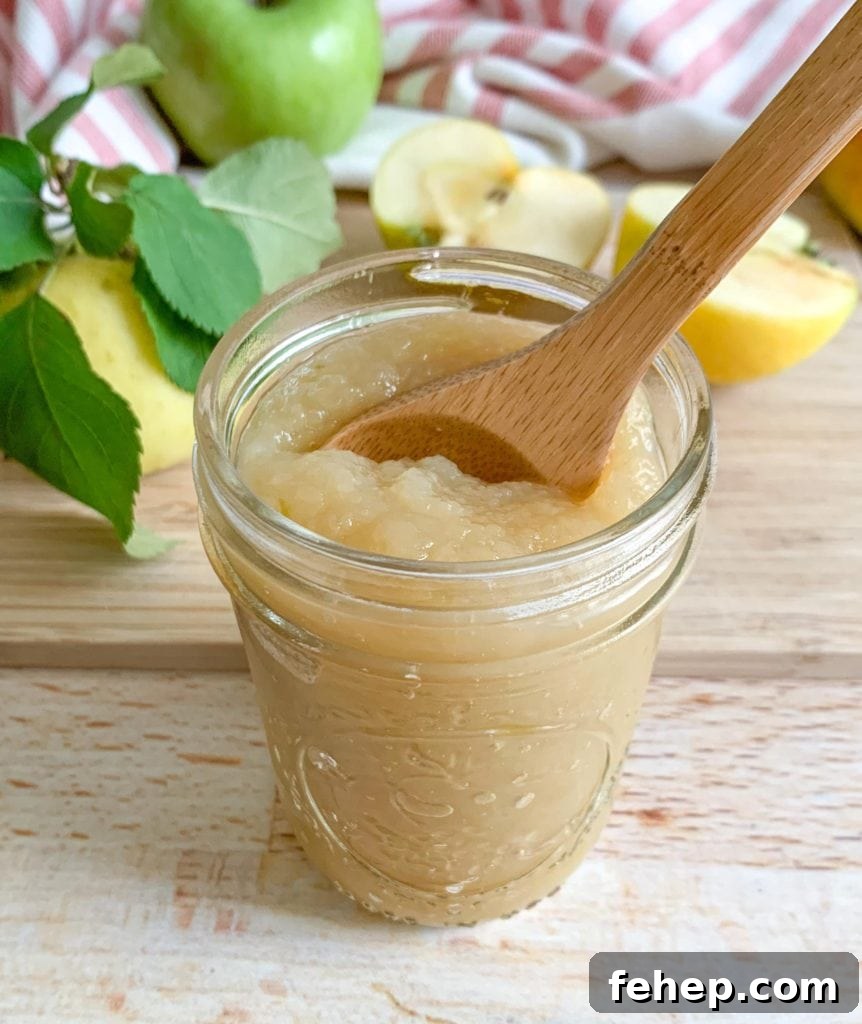
Applesauce is versatile: eat it plain, stir it into baked goods, add it to smoothies or sauces, or use it as a healthy snack. This version highlights the apple’s natural sweetness—no spices or sugar required.
One of the best parts is that you can leave the peel on. A food mill separates the peels while producing a smooth sauce. If you don’t have a food mill, I include an alternative method below.
How to make natural and homemade unsweetened applesauce
Makes 2 Cups
What you’ll need:
- 6 medium to large apples — any variety you enjoy eating or what’s ripe at the orchard
- 2 tablespoons water
- A food mill (optional but recommended)
How to make the applesauce
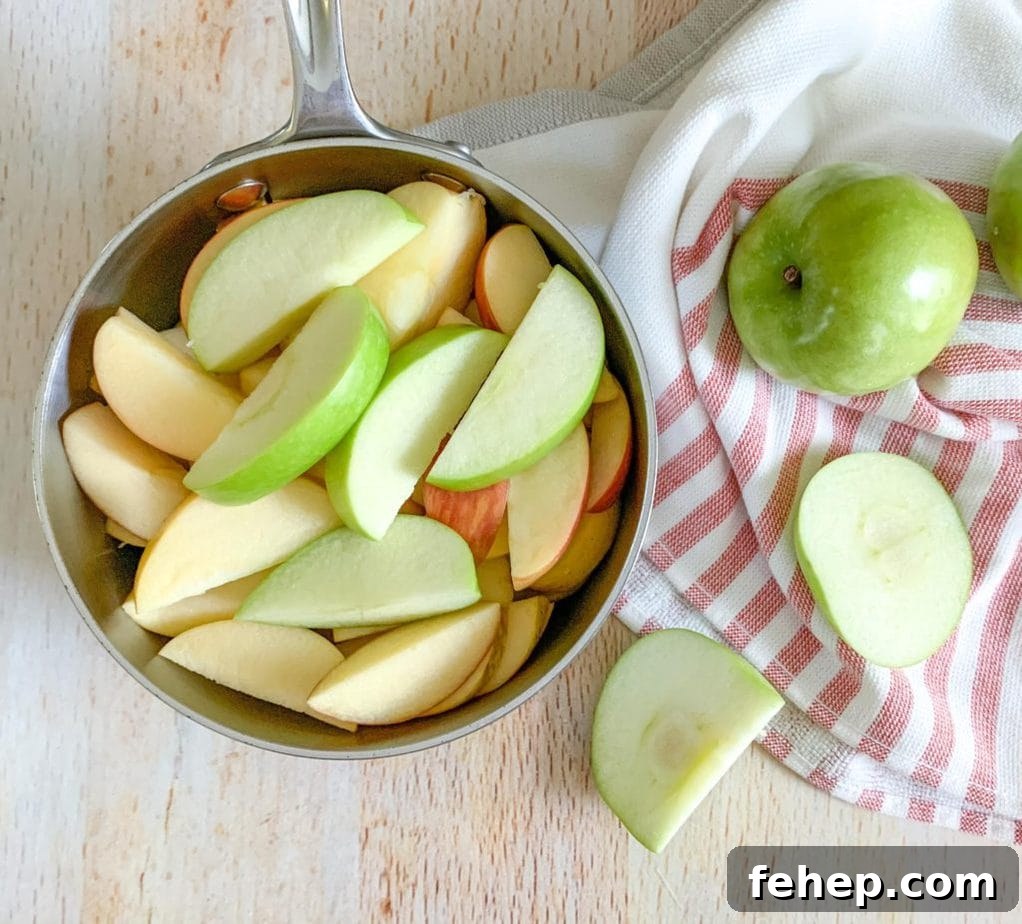
Slice the apples into wedges. You can use an apple corer/slicer or cut 1/2″ slices with a knife.
In a medium saucepan, combine the water and the sliced, unpeeled apples. Cover and bring to a simmer over medium heat.
Once simmering, reduce the heat to medium-low, keep the pot covered, and cook for about 45 minutes or until the apples are very tender. Test with a knife — there should be no resistance.
Remove the pot from the heat. Place a food mill fitted with the medium grinding disc over a bowl. Transfer the hot apples to the food mill and turn the handle clockwise to grind. Occasionally turn the handle counterclockwise to clear the blade and disc.
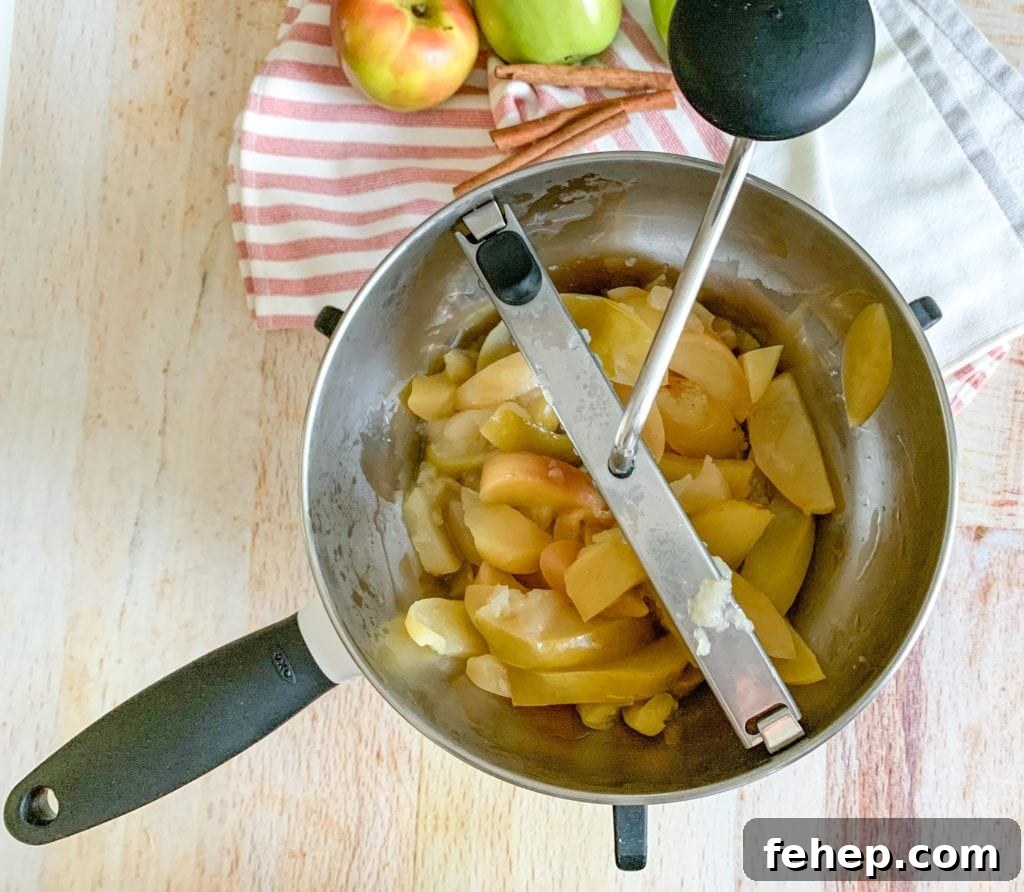
Continue grinding until all the cooked apples pass through the disc and the peels remain in the mill. Scrape the bottom of the mill with a rubber spatula to collect any remaining sauce. Stir the applesauce and serve.
What if I don’t have a food mill?
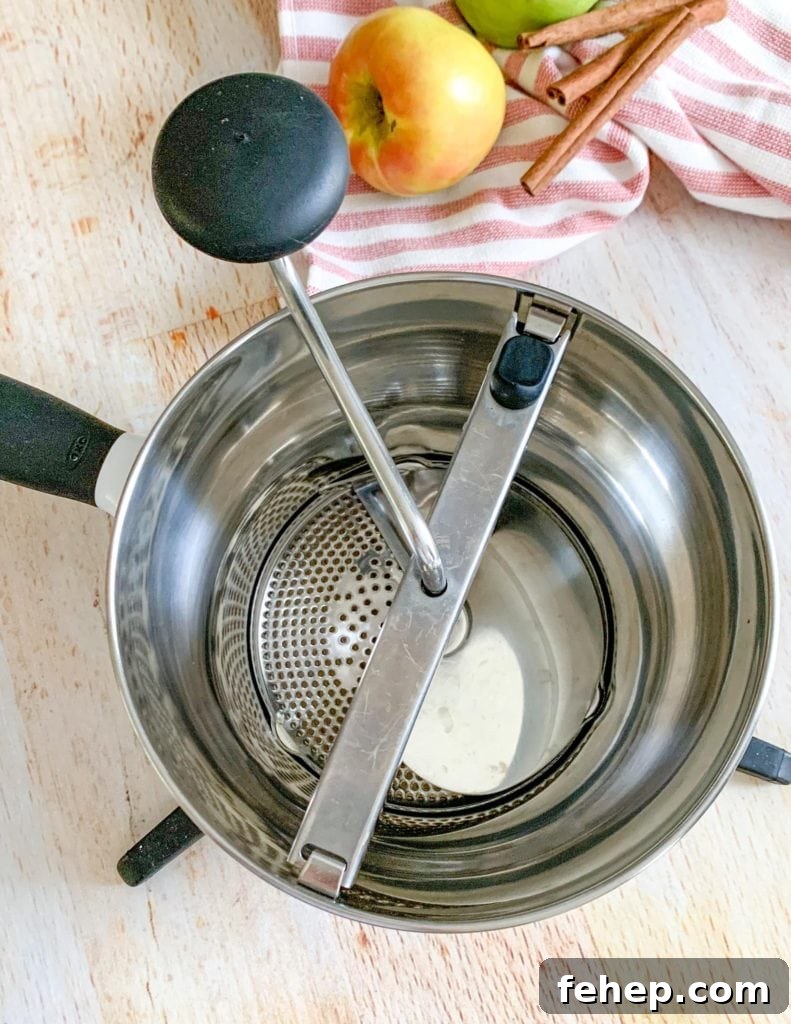
If you don’t own a food mill, peel the apples before cooking. After they’re tender, mash them with a potato masher, use a hand mixer, or blend briefly with an immersion blender until you reach your desired texture.
Food mills are handy for many tasks beyond applesauce: tomato sauce without peeling, mashed potatoes, vegetable purees, soups, and more. If you enjoy making homemade sauces and purees, a food mill is a useful tool.
Which apples should I use for my Homemade Unsweetened Applesauce recipe?
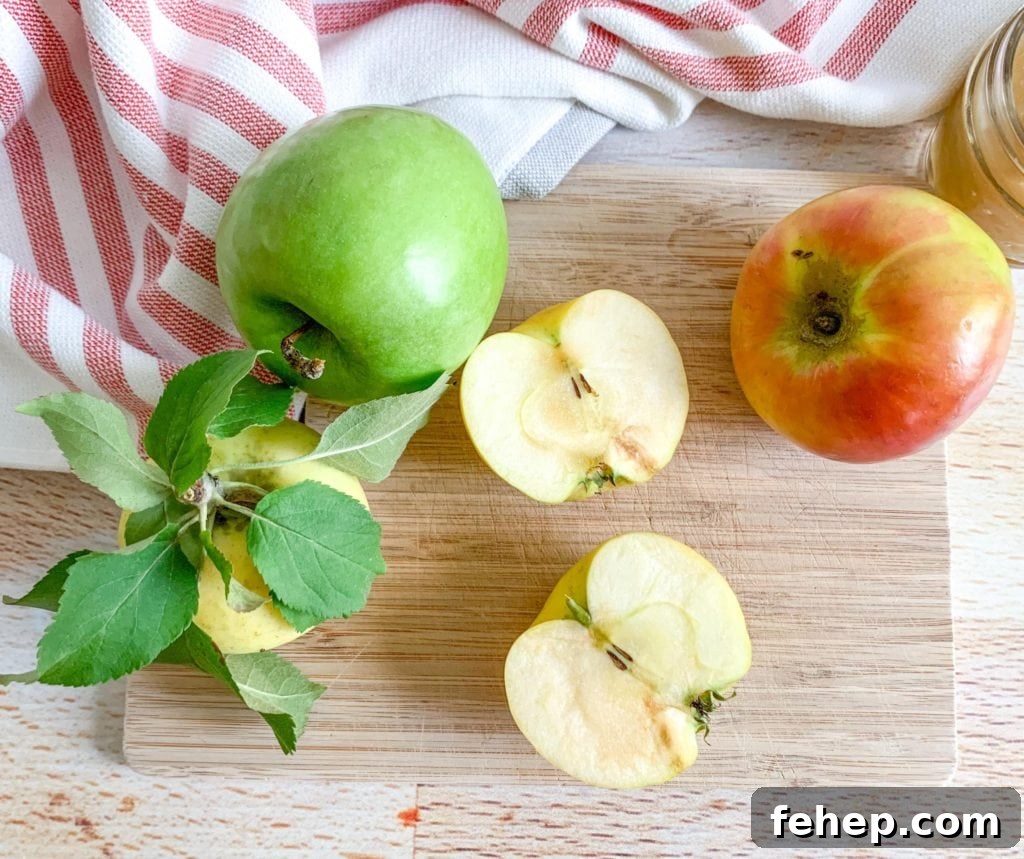
Use eating apples you already love. If it tastes great fresh, it will make good applesauce. Blending tart and sweet varieties often yields a balanced flavor.
Some favorite combinations: Honeycrisp for sweetness and texture, Granny Smith for tartness, McIntosh for a softer, classic applesauce flavor, or mixes like Gala with Granny Smith. Choose what’s in season or what you prefer.
Storing your Homemade Unsweetened Applesauce
Store cooled applesauce in an airtight container in the refrigerator for up to one week. Applesauce also freezes well — thaw in the fridge and stir before serving.
Is applesauce healthy?
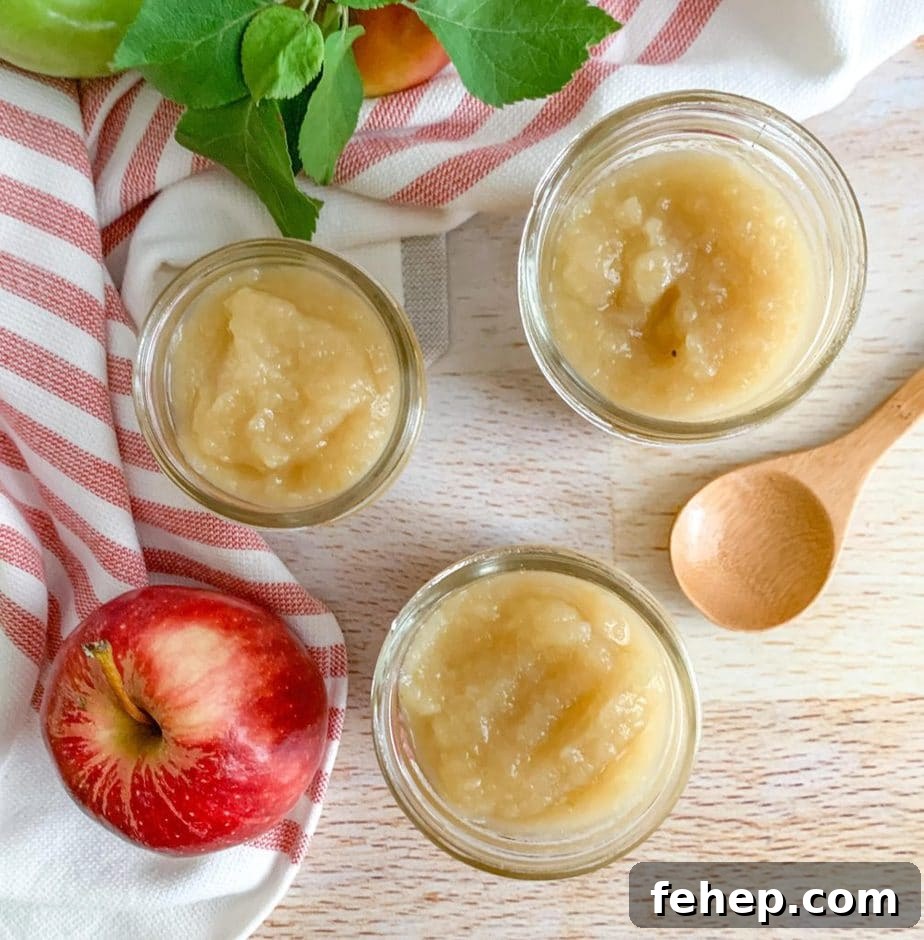
While I’m not a doctor, apples are a nutritious fruit. This unsweetened applesauce contains no added sugars or fats, making it a wholesome snack or part of a meal. Apples provide water, fiber, and pectin, which supports fullness and can promote healthy digestion.
Remember that fruit contains natural sugars, so enjoy applesauce in moderation as part of a balanced diet.
What do you eat applesauce with?
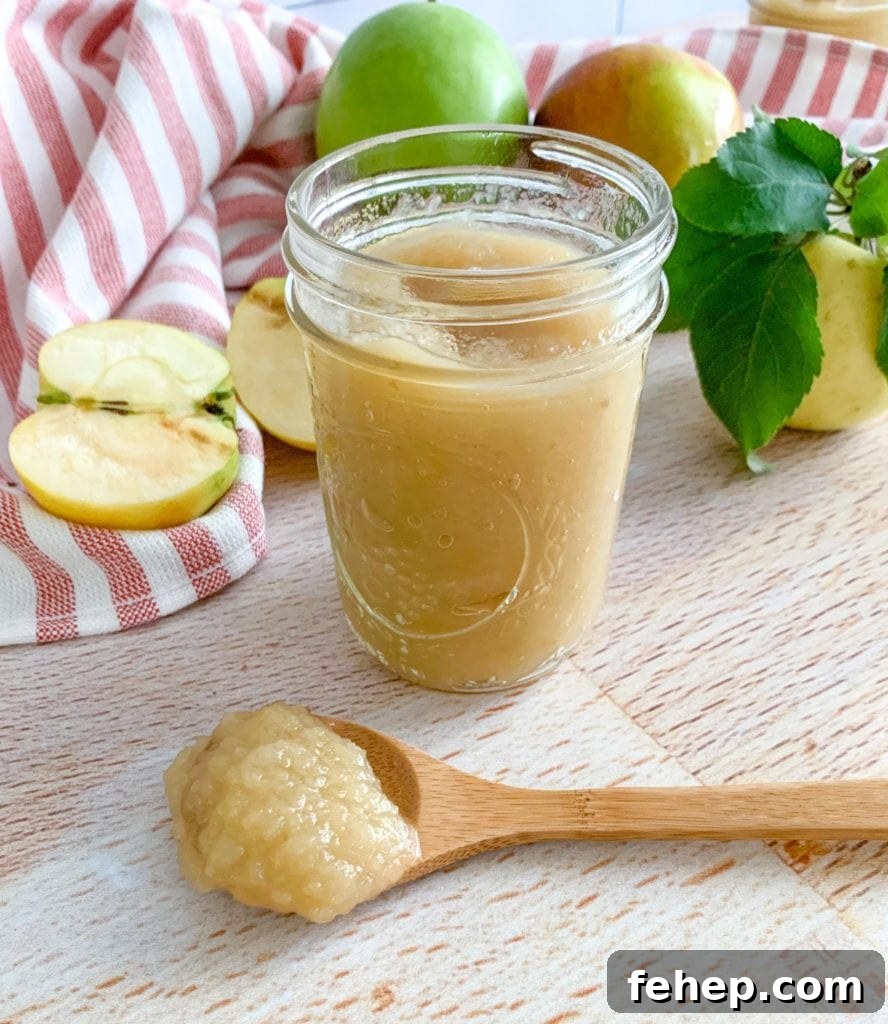
Applesauce pairs well with many foods and uses. Try these ideas:
- Serve cold or warmed, with a sprinkle of cinnamon, dried fruit, or nuts for breakfast.
- Use as baby food.
- Spoon over yogurt or blend into smoothies.
- Replace oil in baked goods with applesauce for a lighter texture—great in muffins, quick breads, and brownies.
- Serve with pork chops, sausages, or sauerkraut.
- Add to squash or root vegetable soups for gentle sweetness.
- Use as a base for sauces and dips.
Applesauce is a simple way to stretch recipes, add natural sweetness, or boost nutrition in both sweet and savory dishes.
Other Recipes You May Like:
Fluffy Applesauce Pancakes Without Milk
Light and Fluffy Applesauce Donut Muffins
Blueberry Lemon Chia Pudding
Downeast Maine Pumpkin Bread
Pin Natural and Homemade Unsweetened Applesauce for later!
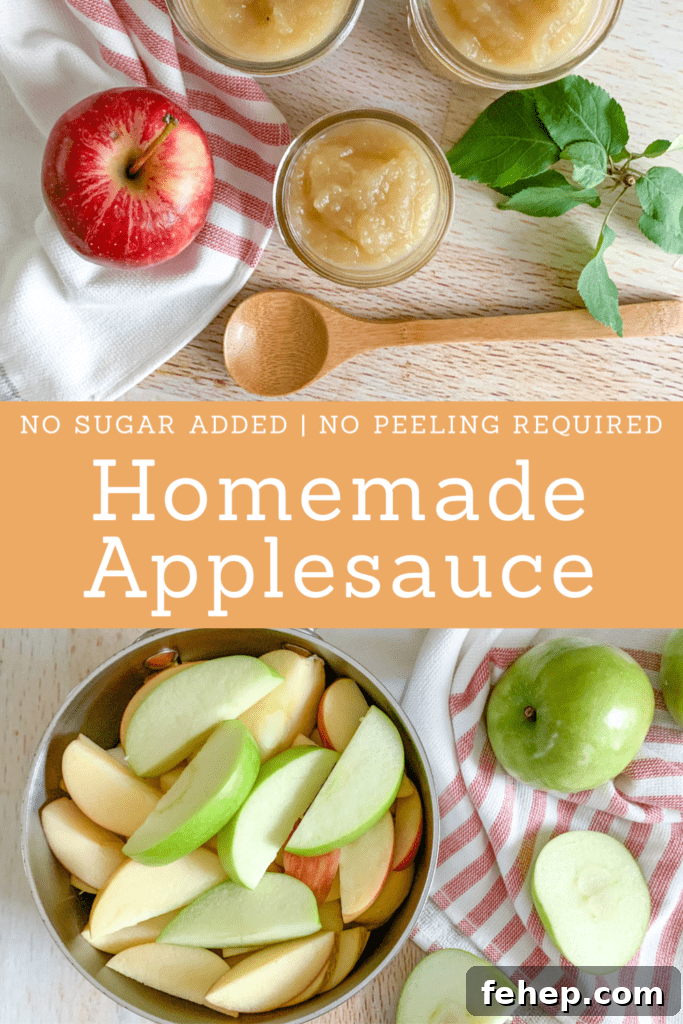
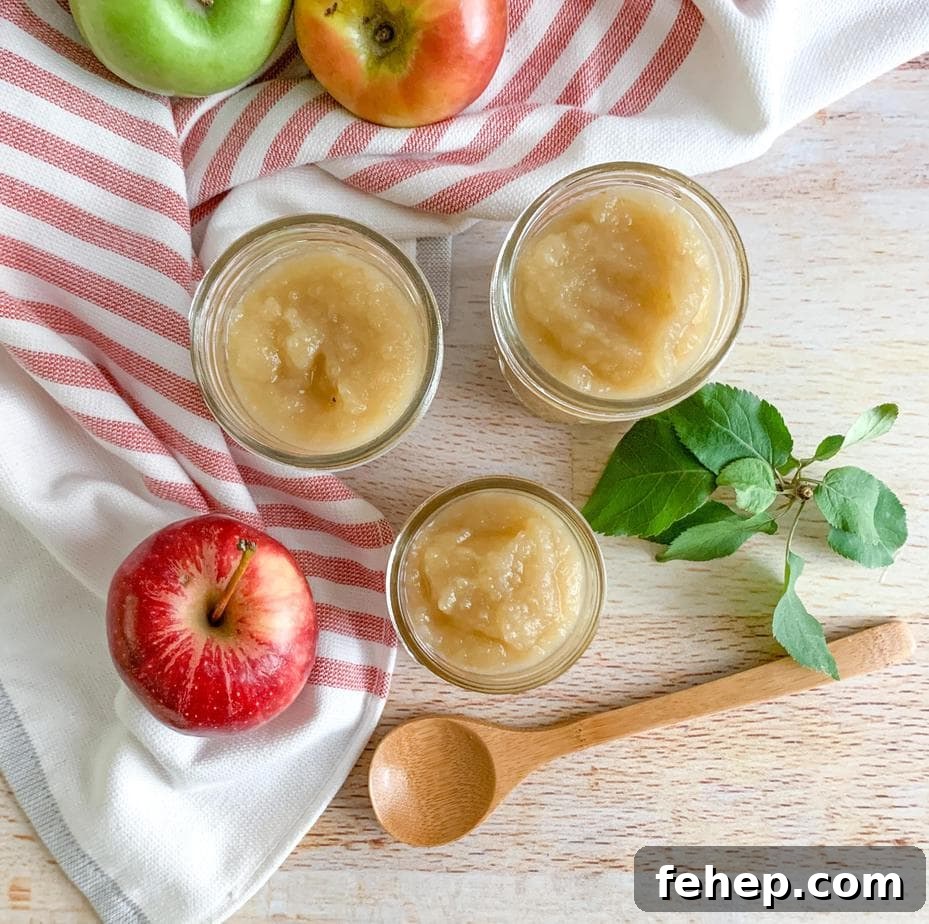
Natural and Homemade Unsweetened Applesauce
Ingredients
- 6 medium to large apples use your favorite eating variety or what’s ripe at the orchard
- 2 tablespoons water
- A food mill (optional)
Instructions
-
Slice apples into wedges or 1/2″ slices.
-
Combine apples and water in a medium saucepan.
-
Cover and bring to a simmer over medium heat.
-
Reduce to medium-low, keep covered, and cook about 45 minutes until apples are very tender.
-
Remove from heat and set a food mill over a bowl.
-
Grind the hot apples through the mill, turning the handle clockwise and occasionally counterclockwise to clear the blade.
-
Grind until only peels remain in the mill, scrape out any sauce, stir, and serve.