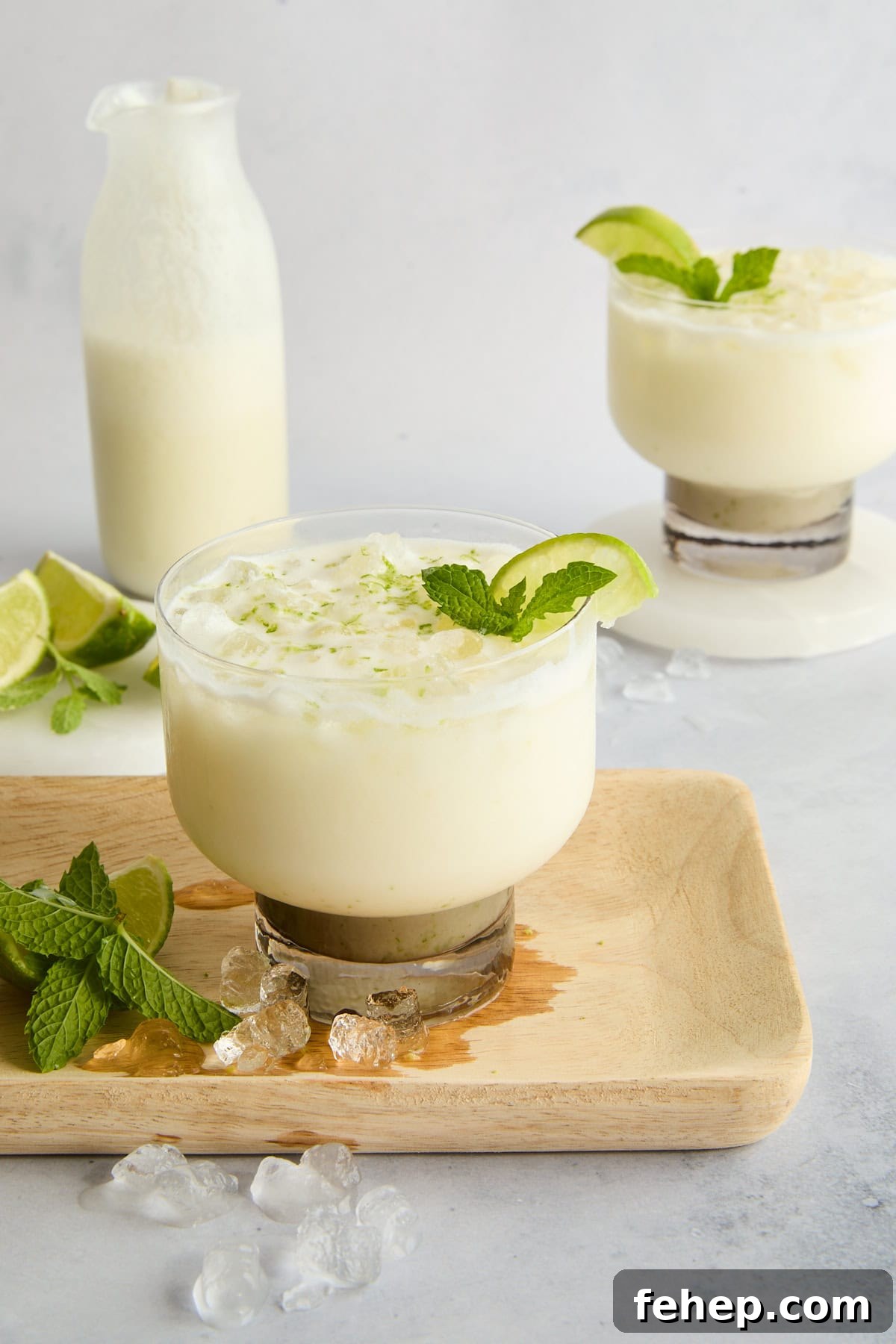
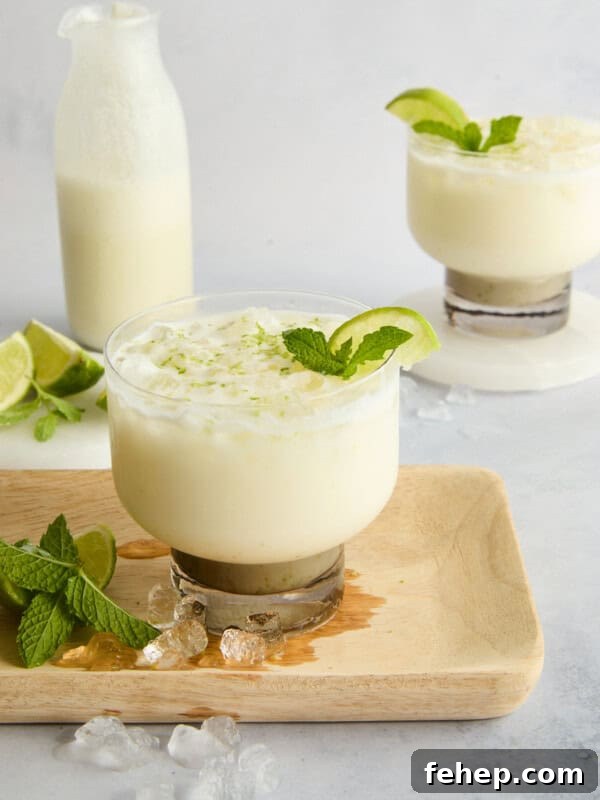
This Brazilian Lemonade is everything you’ve heard — creamy, bright and incredibly refreshing. It’s made with limes (not lemons) because in Portuguese the word limão refers to what English speakers call limes, so the drink is known as limonada. Some countries use a similar broad term for citrus drinks, which can be confusing, but the flavor is unmistakable: tart lime balanced by sweetened condensed milk for a frothy, luscious beverage. I remove the peels before blending because thicker-skinned limes can be bitter, but you can use whole limes if you prefer — just keep blending time short.
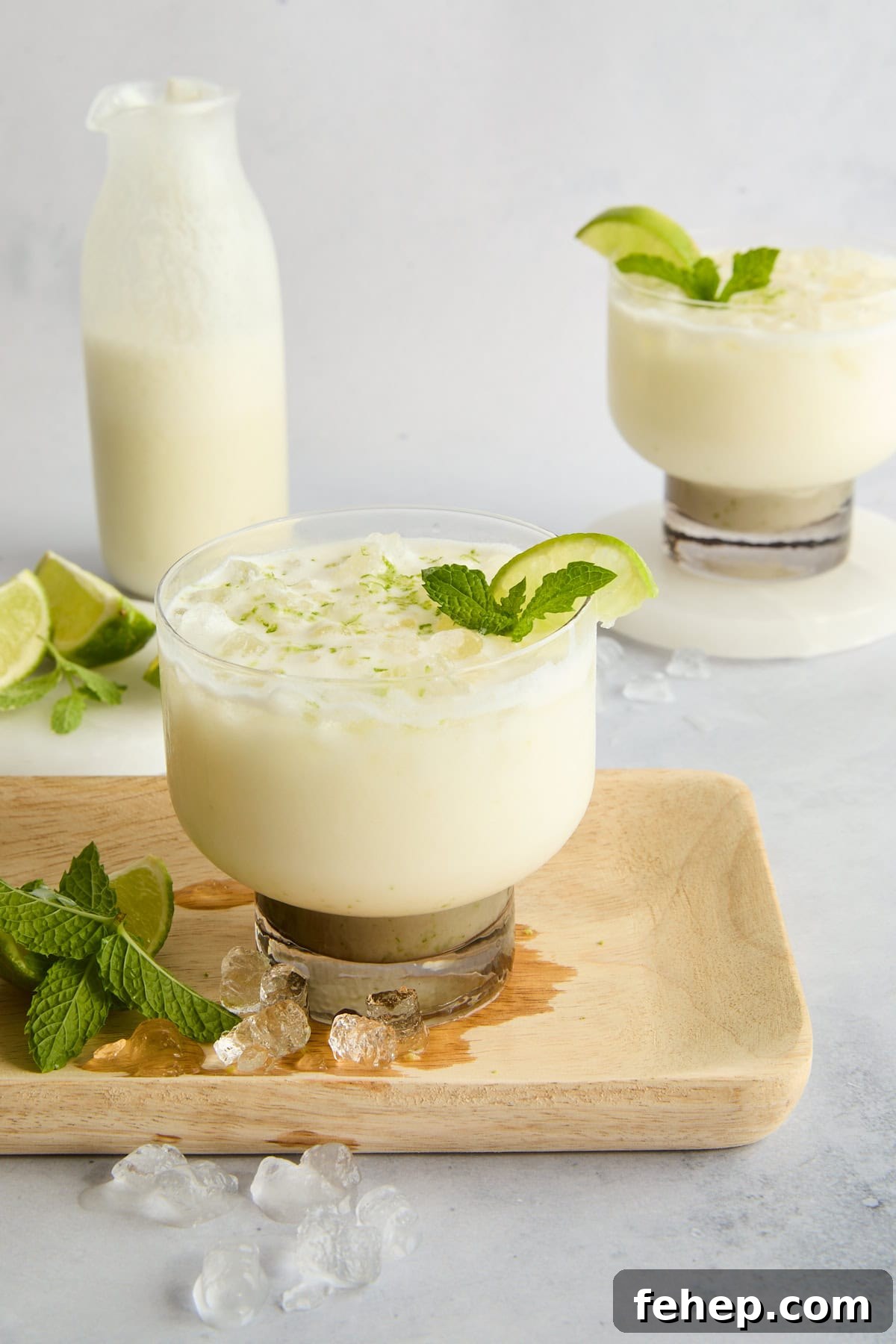
Why You’ll Love Brazilian Lemonade
With only three core ingredients—limes, cold water and sweetened condensed milk—this drink delivers a perfect combination of tartness and sweetness. The condensed milk adds body and a silky mouthfeel while the lime provides a zesty lift. It’s ideal for hot days, easy to adapt (make it boozy, add sparkling water, or swap the dairy), and blends into a frothy, crowd-pleasing refresher.
How to Prepare
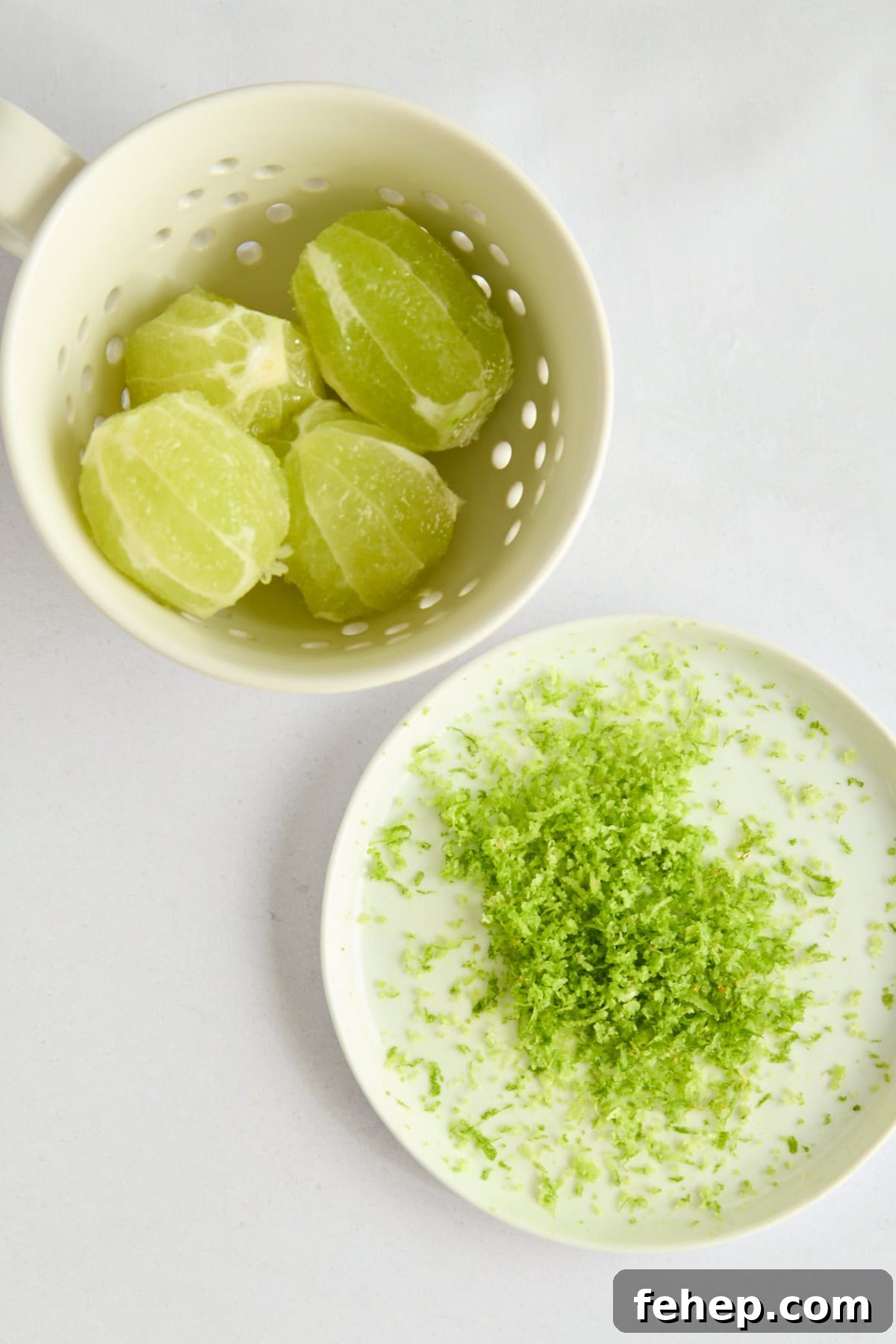
Zest two limes and set the zest aside. Using a paring knife, remove the peel and white pith from four limes. If your limes are thin-skinned and not bitter, you may skip peeling and use whole—just limit blending time.
Place the peeled limes in a blender with cold filtered water and blend for 20–30 seconds. Pour the blended mixture through a fine-mesh strainer into a bowl to remove most of the pulp.
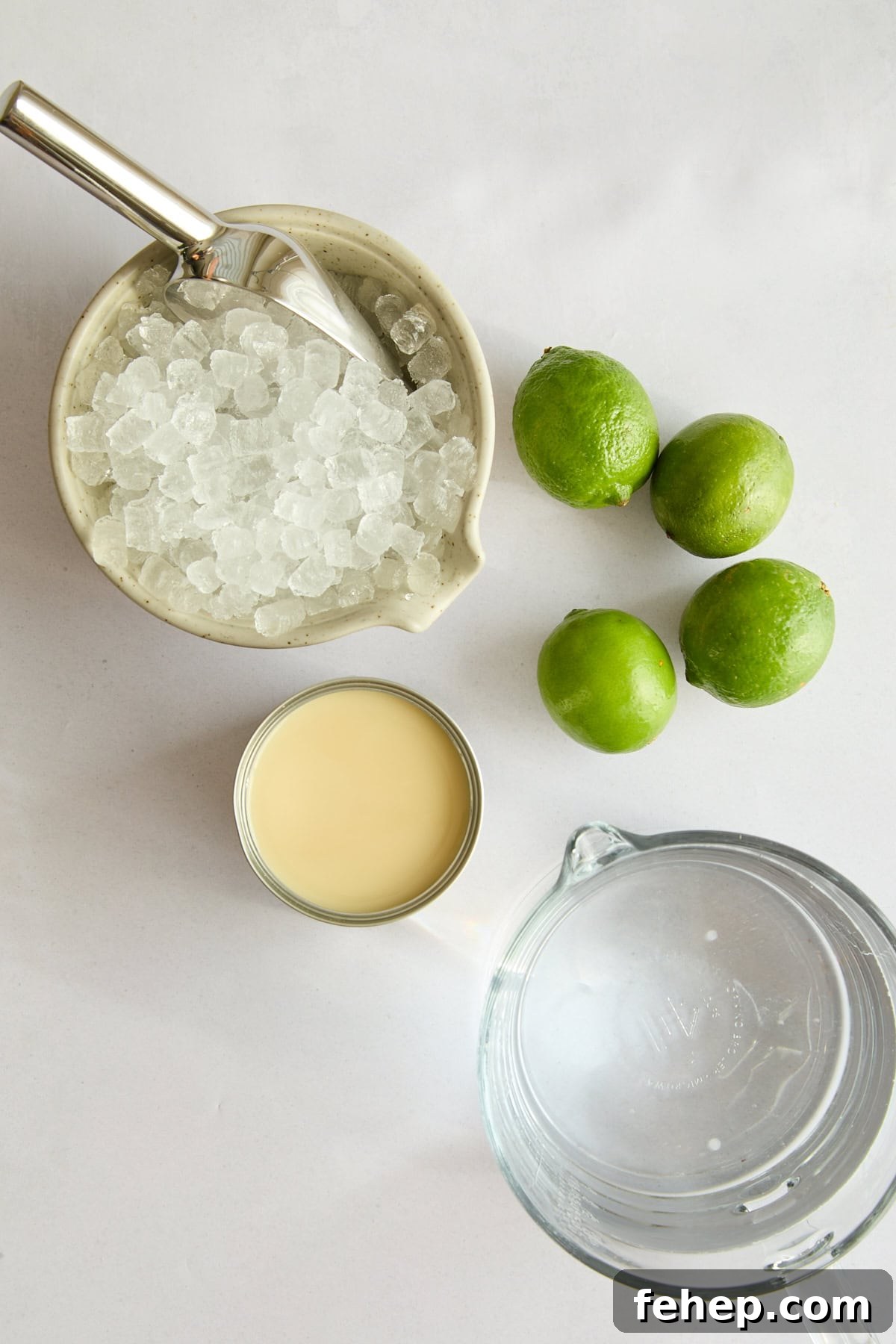
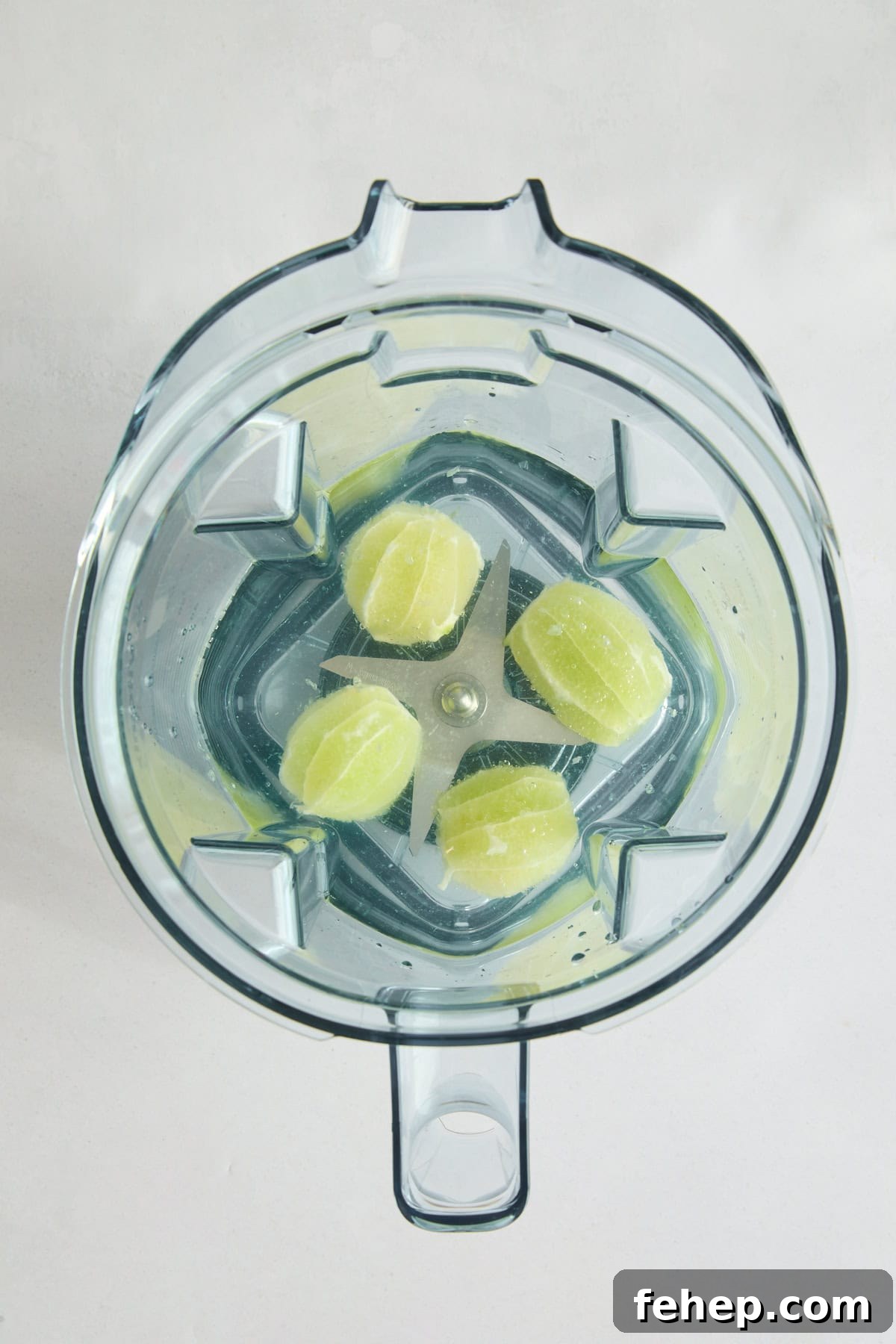
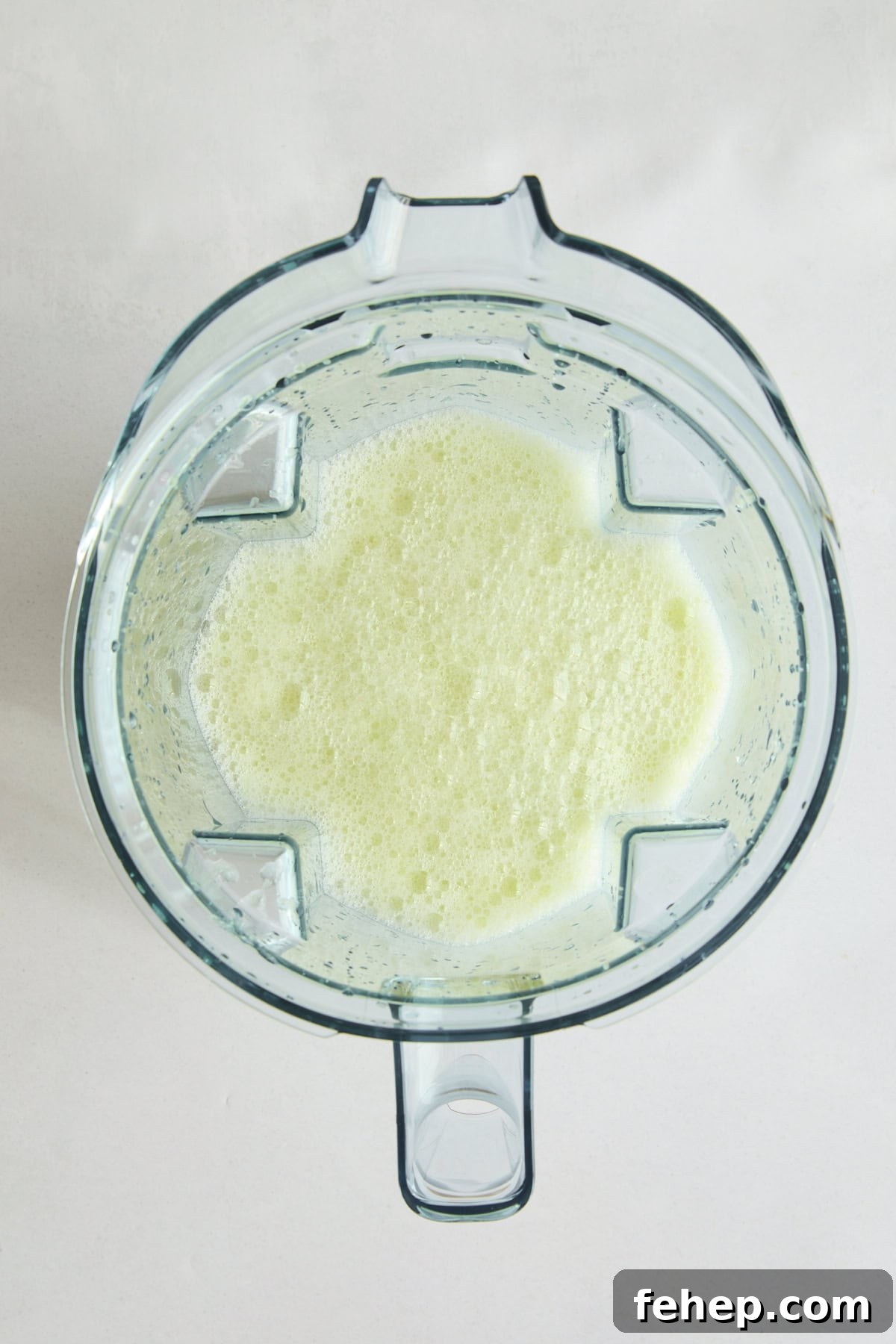
Return the strained liquid to the blender with ice, the reserved lime zest and the sweetened condensed milk. Blend again until the mixture is frothy and smooth. Serve over extra ice and garnish with lime slices or mint, if desired. To make a fizzy version, top each glass with sparkling water; to make a cocktail, add a splash of rum, vodka or tequila.
Nonna’s Tip
You don’t have to remove the lime peels, but thick-skinned limes can impart bitterness. If using whole limes, blend for no more than 20 seconds before straining to avoid excessive bitterness.
Variations and Substitutions
- For a dairy-free version, try full-fat coconut milk or coconut cream with a little extra sweetener to taste.
- Turn it into an adult beverage by adding rum, vodka or tequila.
- Swap limes for lemons if you prefer a lemonier profile—adjust the sweetness as needed.
- Add fresh mint while blending or finish each glass with sparkling water for a light, fizzy finish.
Similar Recipes
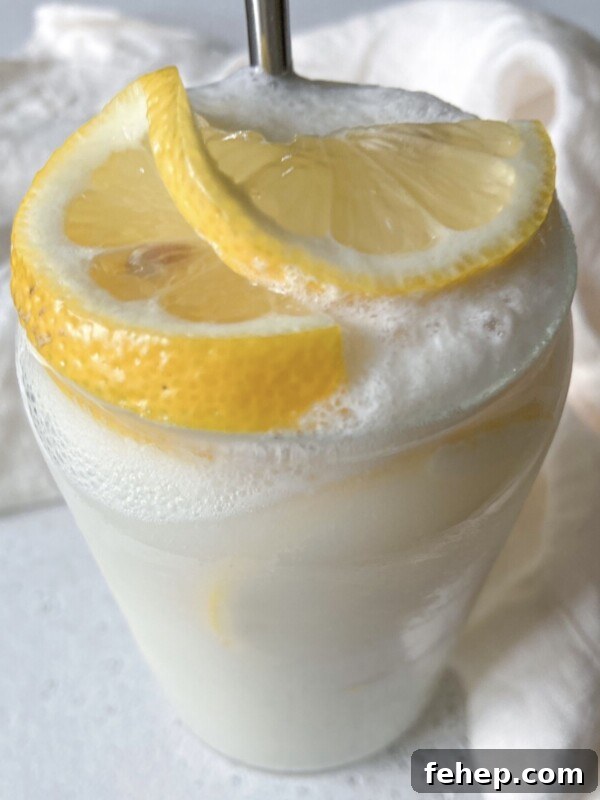
Creamy Lemonade
5 mins
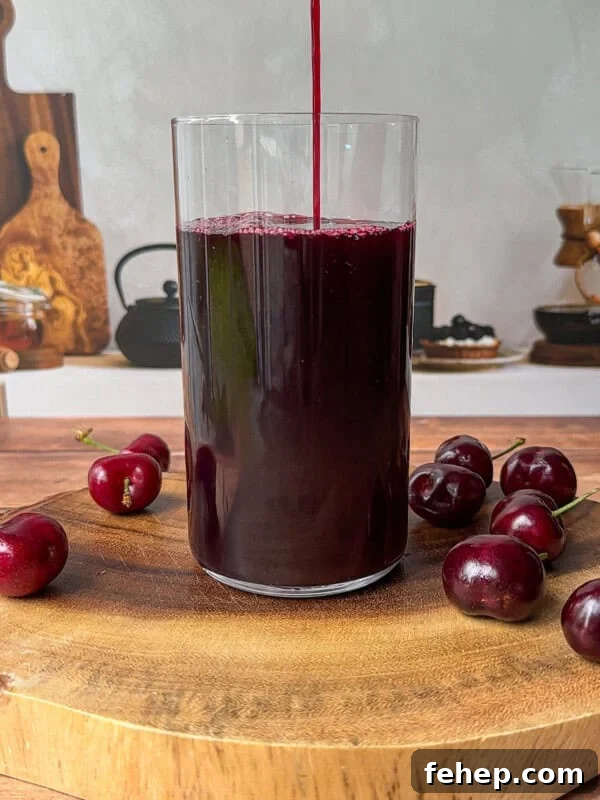
Cherry Juice Recipe
1 hr 5 mins
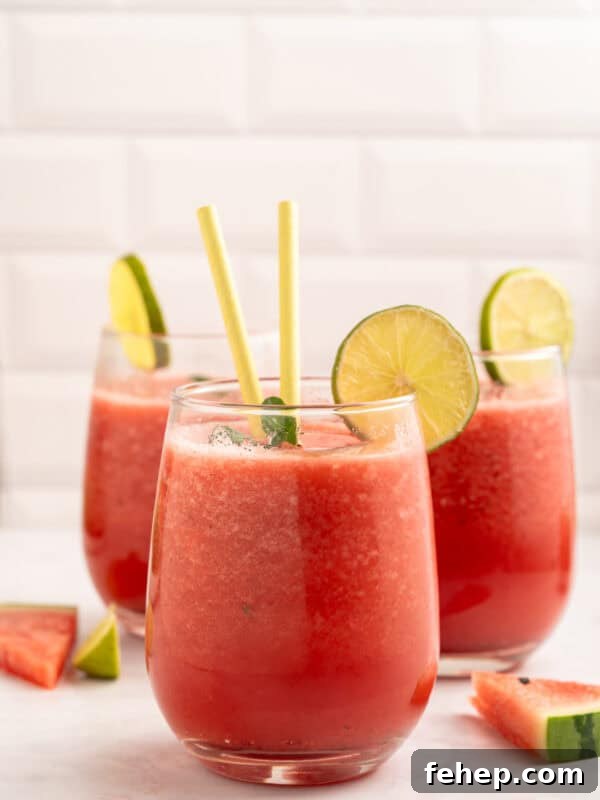
Strawberry Watermelon Juice
10 mins
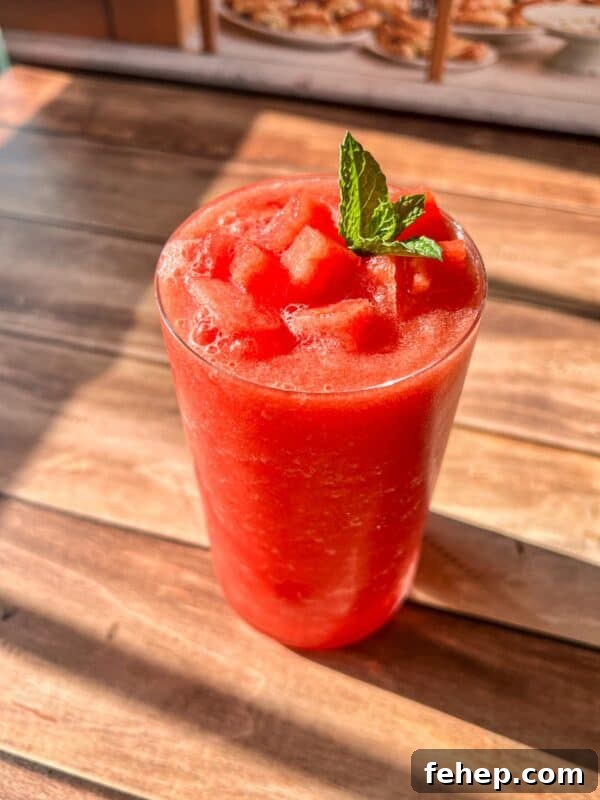
Watermelon Slushie
2 hrs 5 mins
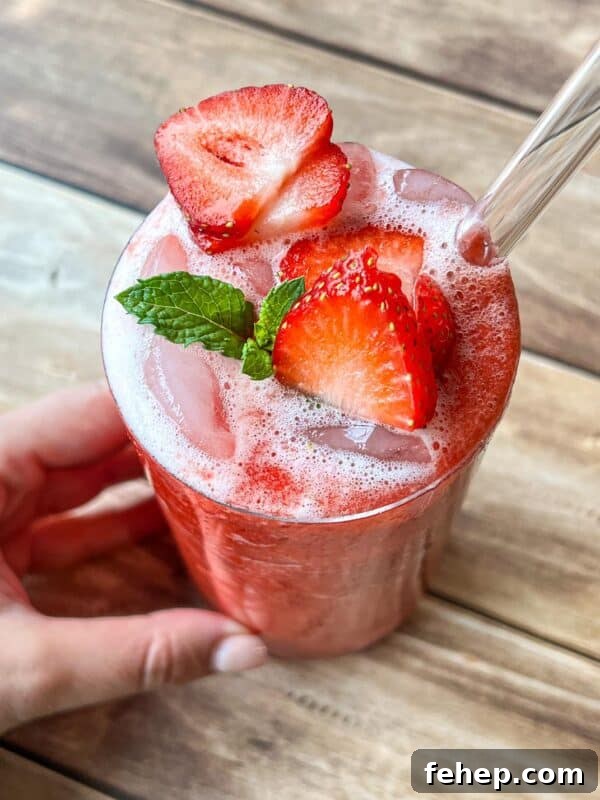
Strawberry Refresher
5 mins
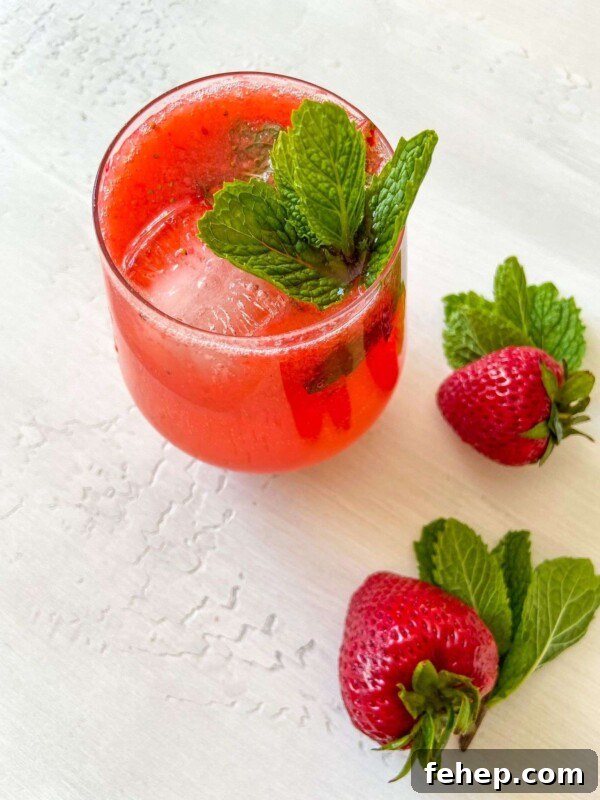
Strawberry Mojito
5 mins
Best Served With
- Light summer dips such as Healthy Green Goddess Dip, Whipped Feta with Grapes, or Grilled Eggplant Dip.
- A splash of rum, vodka, tequila or a non-alcoholic spirit pairs nicely if you want a cocktail version.
Common Questions
Yes. Substituting lemons or using a mix of lemons and limes will change the flavor slightly but still produce a delicious drink. Adjust sweetness to taste.
Reduce the amount of sweetened condensed milk or add more cold water to make the drink less sweet. For dairy-free versions, increase sweetener to taste if using coconut milk.
Use leftover pulp in smoothies, marinades for grilled chicken or pineapple, or compost it.
Yes. Try canned coconut milk or cream with added sweetener as an alternative for a dairy-free version.
Brazilian Lemonade
Equipment
- Blender
- Zester
- Paring knife
- Cutting board
- Liquid measuring cup
- Mixing bowls
- Fine mesh strainer
Ingredients
- 4 limes
- 4 cups cold filtered water
- Ice
- 1 14-ounce (300 ml) can sweetened condensed milk
Instructions
- Zest 2 of the limes and reserve. Remove the peel and pith from all 4 limes.
- Add the peeled limes and cold water to a blender and blend for 20–30 seconds. Strain the blended liquid through a fine-mesh sieve into a bowl.
- Return the strained liquid to the blender with ice, reserved lime zest and sweetened condensed milk. Blend until frothy.
- Serve over ice. Optionally top with sparkling water or add a splash of your preferred spirit.
My Notes
Add your personal notes here!
Nutrition
Nutrition information is automatically calculated, so should only be used as an approximation.