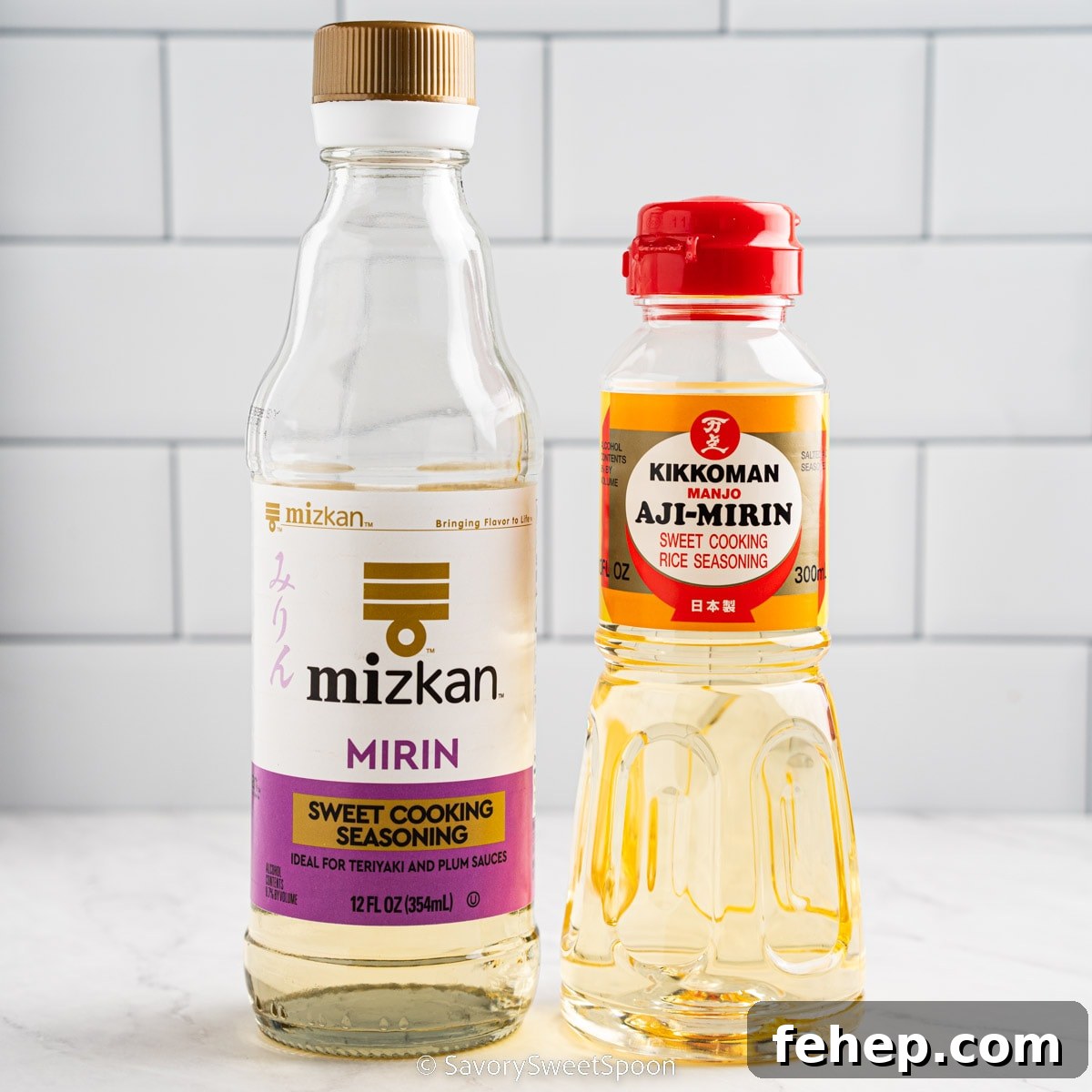
Are you missing mirin for your recipe? You can still achieve the sweet, slightly tangy character mirin adds to Japanese dishes by using a few common pantry ingredients. Whether you’re making teriyaki, seasoning sushi rice, or finishing a stir-fry, the following substitutes replicate mirin’s balance of sweetness, acidity, and gloss without changing the dish’s intent.
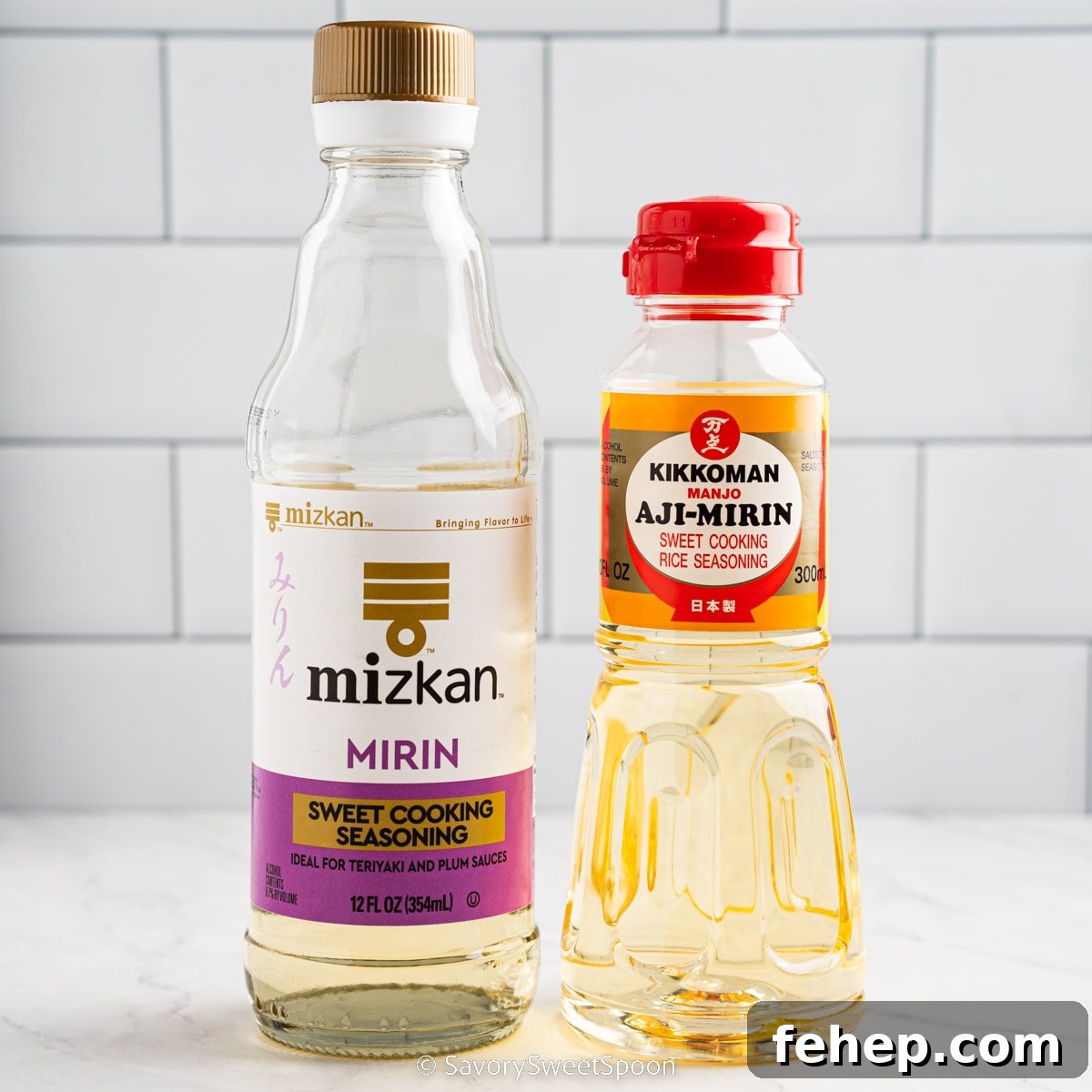
What is Mirin?
Mirin is a sweet Japanese rice wine with low alcohol content that contributes both flavor and sheen to many Japanese preparations. Made from glutinous rice, koji, and a distilled spirit, mirin supplies a gentle sweetness, subtle umami, and a glossy finish that enhances sauces, marinades, glazes, and dressings.
Best Substitutes for Mirin
1. Sweet Sake (Amazake)
Sweet sake, or amazake, closely resembles mirin in sweetness and mild flavor. It works well in sauces and glazes, contributing body and a subtle rice-forward taste. Use it in roughly the same amount as the mirin called for, and reduce any additional sweeteners in the recipe.
2. Dry Sherry
Dry sherry brings a slightly nutty, sweet note and enough acidity to stand in for mirin in many cooked dishes. It’s a good option for sauces and braises; if you want extra sweetness, add a small pinch of sugar or a drizzle of honey to better match mirin’s profile.
3. Rice Vinegar + Sugar
A simple and effective substitute combines rice vinegar with a bit of sugar. Mix about 1 tablespoon of rice vinegar with 1 teaspoon of sugar for each tablespoon of mirin you need, then taste and adjust. This replicates mirin’s sweet-tart balance and is especially useful for dressings and sushi rice.
4. White Wine + Sugar
Light white wines—Riesling or Gewürztraminer, for example—can mimic mirin when sweetened. Combine white wine with a small amount of sugar (start with 1 teaspoon per tablespoon of wine) and simmer briefly to concentrate flavors if desired. This makes a versatile substitute for marinades and pan sauces.
5. Pineapple Juice
Pineapple juice offers natural sweetness and acidity that can stand in for mirin in many Asian-inspired dishes. It will add a mild fruity note, so use it where a subtle tropical nuance complements the recipe. Adjust quantity to taste and reduce other sweet components accordingly.
Tips for Substituting Mirin
- Match sweetness: If your substitute lacks sweetness, add a small amount of sugar, honey, or mirin-style sweetener until the balance feels right.
- Simmer to concentrate: Gently reduce liquid substitutes to intensify flavor and create a glossier finish when used in glazes or sauces.
- Adjust acidity: Mirin has a mild acidity; if your substitute is too sharp, balance it with a touch of sugar or a splash of water.
- Start small: Substitute gradually and taste as you go, especially when working with delicate dishes like sushi rice.
FAQ
For teriyaki and stir-fries, a blend of sweet rice wine (such as sake or sweet sherry) with a little sugar or honey closely replicates mirin’s sweet-tangy profile. Adjust sweetness to taste and use the mixture in the same proportion you would mirin.
For sushi rice, combine rice vinegar with a small amount of sugar to emulate the sweet and acidic balance of mirin. A common starting point is about 1 tablespoon rice vinegar and 1 teaspoon sugar per cup of cooked rice; tweak to suit your taste.